Category: Skincare

  • Best Cleansers for Oily Skin

    If you have oily skin, you already know the struggle. Some cleansers leave your face feeling tight and dry, while others barely cut through the shine. Worse, when a cleanser strips your skin too much, your face often overcompensates by producing even more oil. It’s a frustrating cycle, but it’s not one you’re stuck with forever.

    The right cleanser won’t just wash your face. It will remove excess oil, keep your pores clear, and still leave your skin feeling comfortable rather than stripped. That balance is exactly what we’re after in this guide.

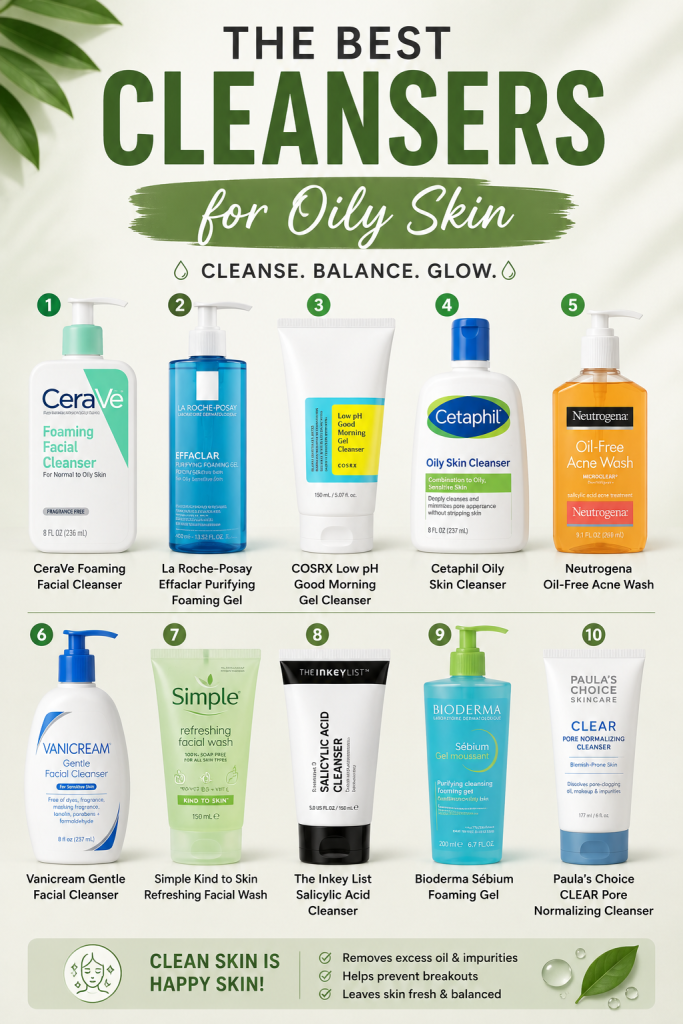
    10 Face Washes That Actually Work

    Below, we’ve rounded up ten of the best cleansers for oily skin, along with what makes each one worth considering and who it’s likely to suit best.

    Why Oily Skin Needs the Right Cleanser

    Oily skin produces more sebum than normal or dry skin types, and that extra oil tends to mix with dirt, sunscreen, and dead skin cells throughout the day. Left unchecked, this buildup can clog pores and lead to breakouts. That’s why a gentle yet effective cleanser matters so much.

    At the same time, over-cleansing can backfire. Washing your face too often, or using a formula that’s too harsh, strips away the natural oils your skin needs. In response, your skin ramps up oil production to compensate, and you end up right back where you started, just with more irritation along the way.

    In other words, the goal isn’t “squeaky clean.” It’s balance.

    Related read: Beginner Skincare Routine

    What to Look for in a Cleanser for Oily Skin

    Not every cleanser is created equal, and oily skin tends to respond best to a specific set of qualities. When you’re comparing options, keep an eye out for the following:

    • Lightweight gel or foam formulas that rinse clean without a greasy residue
    • Non-comedogenic ingredients, meaning they won’t clog pores
    • Fragrance-free formulas, especially if your skin is easily irritated
    • Beneficial ingredients such as:
      • Salicylic acid, which helps clear pores from within
      • Niacinamide, which supports the skin barrier while calming inflammation
      • Ceramides, which lock in moisture even in an oil-control formula
      • Glycerin, a humectant that hydrates without adding heaviness

    Now that you know what to look for, let’s get into some of the best cleansers for oily skin currently on the market.

    Our Top Picks

    1. CeraVe Foaming Facial Cleanser
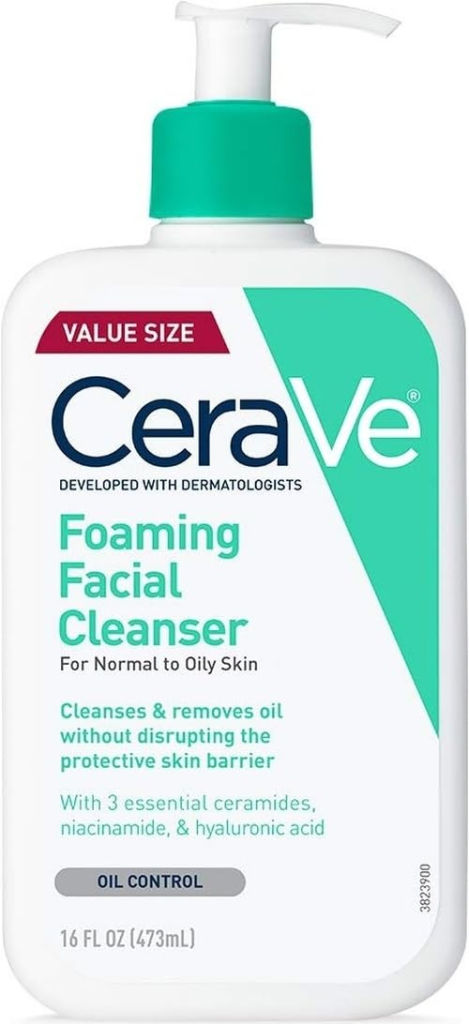
    Best for: Everyday use

    This one has earned its reputation for a reason. The foaming texture cuts through oil effectively, yet it’s formulated with ceramides and niacinamide, so your skin barrier isn’t sacrificed in the process. Unlike many foaming cleansers, it doesn’t leave your face feeling tight afterward, which makes it easy to use morning and night.

    Pros

    • Gentle on the skin
    • Fragrance-free
    • Supports the skin barrier

    Cons

    • May not fully remove heavy makeup on its own

    2. La Roche-Posay Effaclar Purifying Foaming Gel
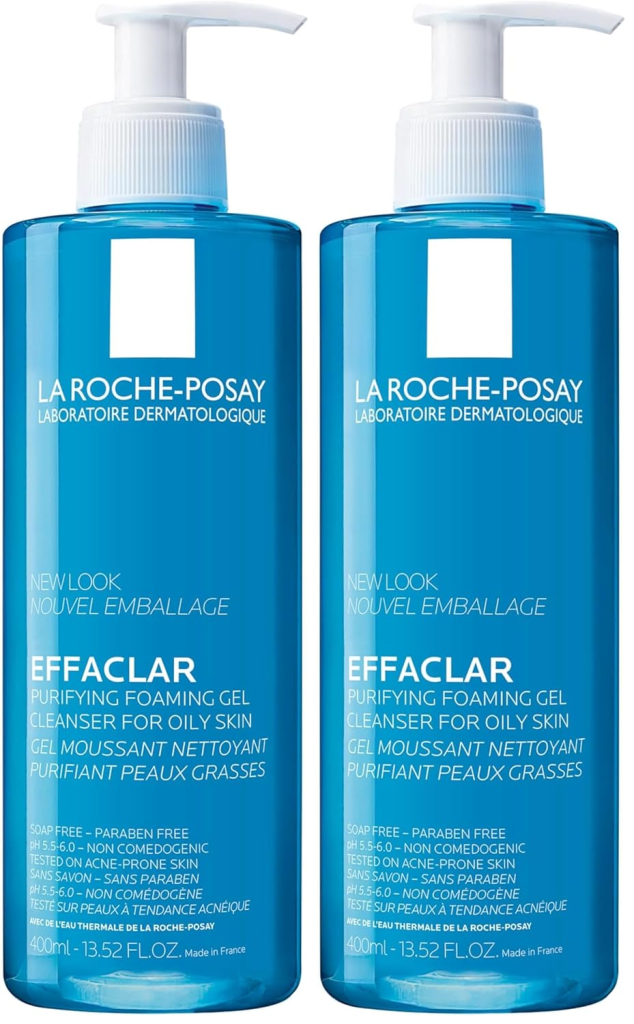
    Best for: Oily and sensitive skin

    If your skin is oily but also reactive, this gel cleanser strikes a nice middle ground. It has a refreshing texture that removes oil thoroughly, yet it’s formulated to avoid the harshness that often comes with oil-control products. As a result, sensitive skin types tend to tolerate it well.

    3. COSRX Low pH Good Morning Gel Cleanser

    Best for: Fans of Korean skincare
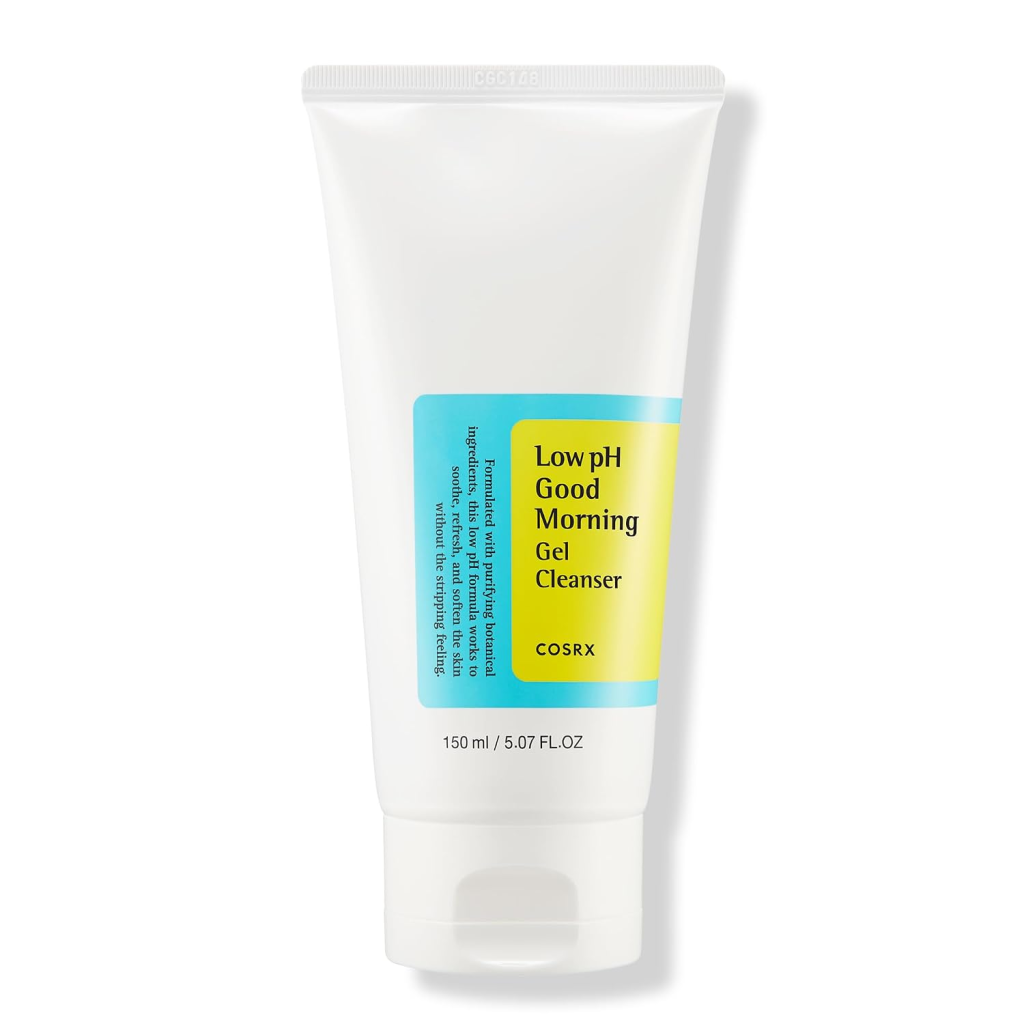
    This gentle, low-pH formula has become a staple in many Korean-inspired routines, and for good reason. It respects your skin’s natural acid mantle while still washing away overnight oil buildup. Because it’s so lightweight, it works especially well as a morning-only step for those who don’t need a heavier cleanse before bed.

    Related read: How to Get Glass Skin

    4. Cetaphil Oily Skin Cleanser

    Best for: Beginners
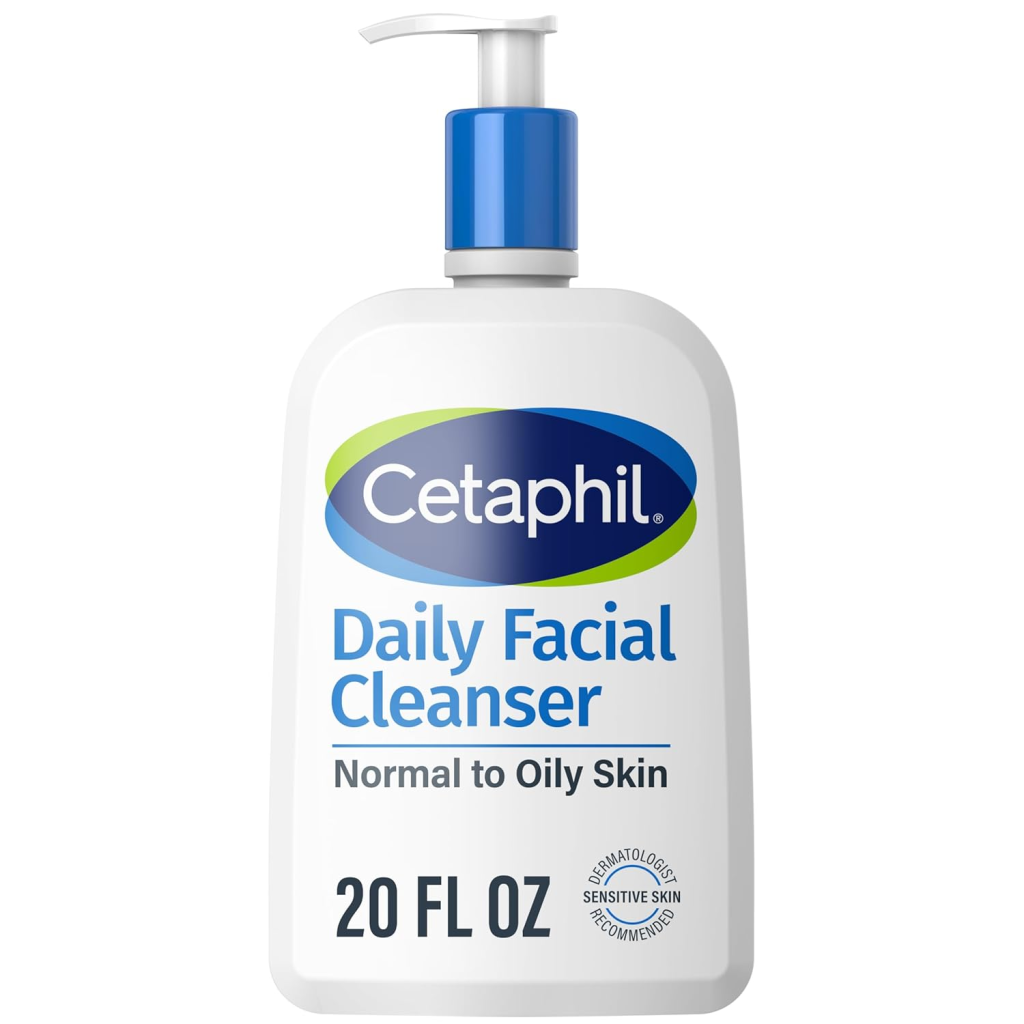
    Sometimes simple is exactly what your skin needs. Cetaphil’s formula skips the frills in favor of a straightforward, effective clean, which makes it a smart starting point if you’re new to managing oily skin or unsure where to begin. It’s also budget-friendly enough to make into a daily habit without a second thought.

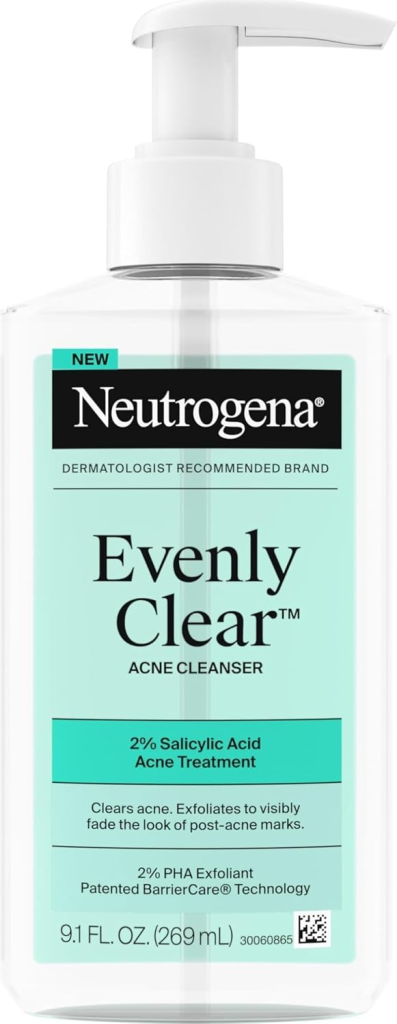
    5. Neutrogena Oil-Free Acne Wash

    Best for: Acne-prone skin

    When breakouts are your main concern, salicylic acid is often the ingredient to look for, and this cleanser delivers it. It works to unclog pores from the inside out, helping to prevent new blemishes before they form. If acne, rather than oil alone, is what you’re trying to manage, this pick is worth prioritizing.

    Related read: Acne Routine for Beginners

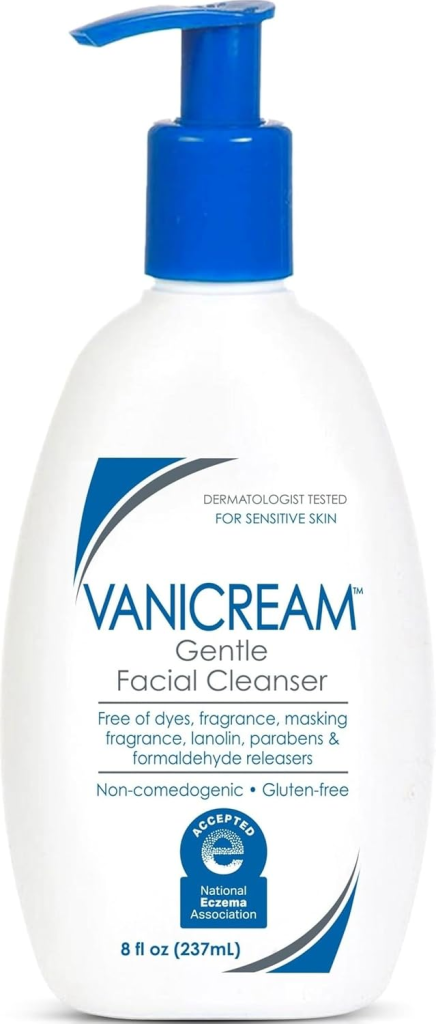
    6. Vanicream Gentle Facial Cleanser

    Best for: Sensitive oily skin

    Oily skin and sensitive skin aren’t mutually exclusive, and Vanicream is built specifically for that overlap. With a minimal ingredient list and no added fragrance, it cleanses effectively without triggering the redness or irritation that heavier formulas sometimes cause.

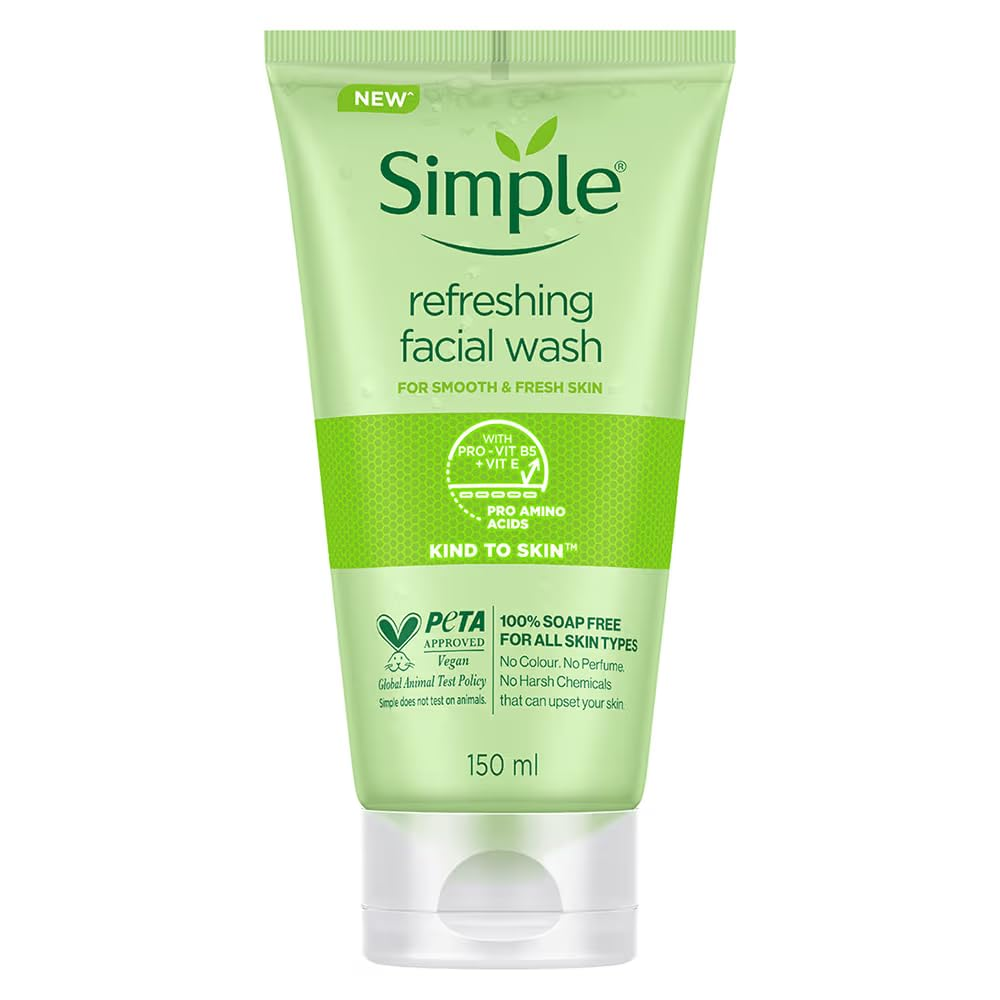
    7. Simple Kind to Skin Refreshing Facial Wash
    Best for: Budget-conscious shoppers

    Not every good cleanser needs a premium price tag. This one is both affordable and gentle, making it a reliable everyday option for anyone who wants consistent results without overspending.

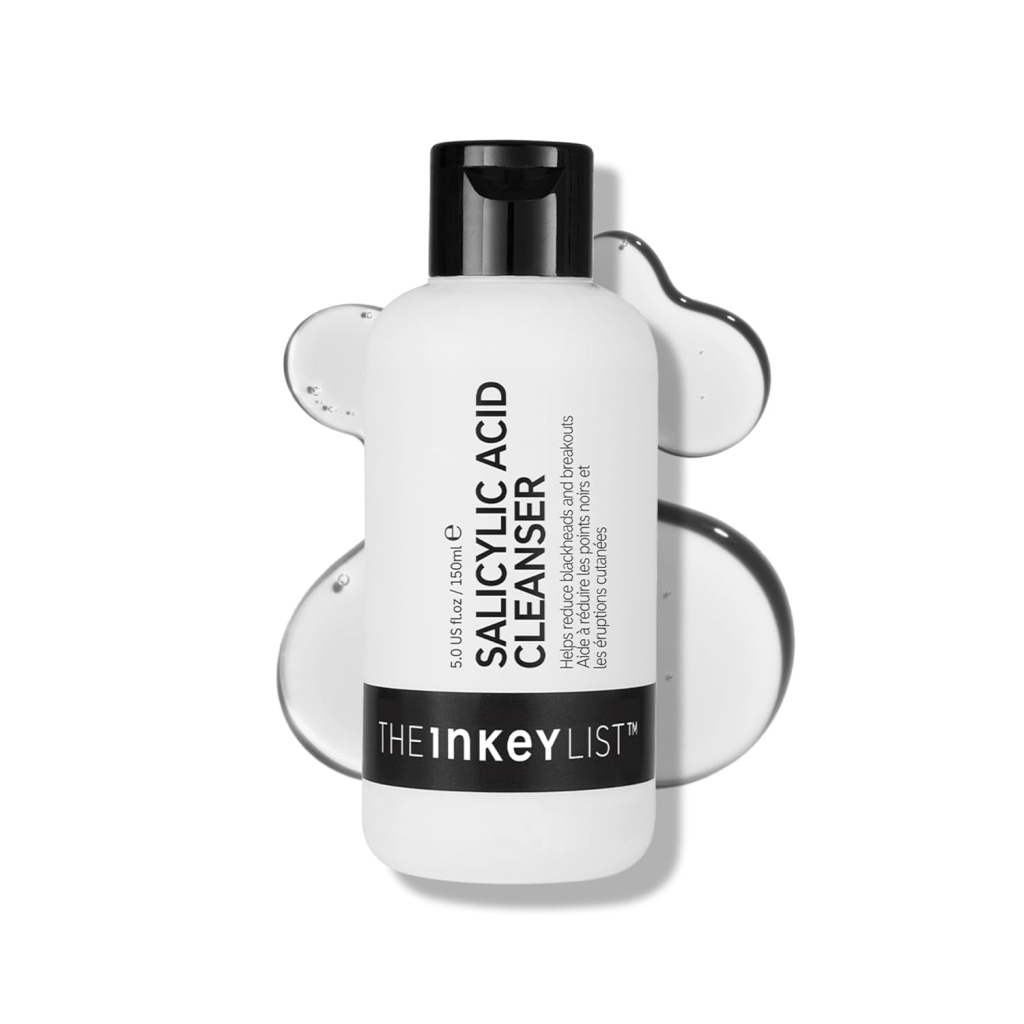
    8. The Inkey List Salicylic Acid Cleanser

    Best for: Blackheads and oily skin

    Blackheads are one of the most stubborn side effects of oily skin, and salicylic acid remains one of the most effective ingredients for tackling them. This cleanser uses just that, though it’s worth using as directed since overuse can lead to dryness.

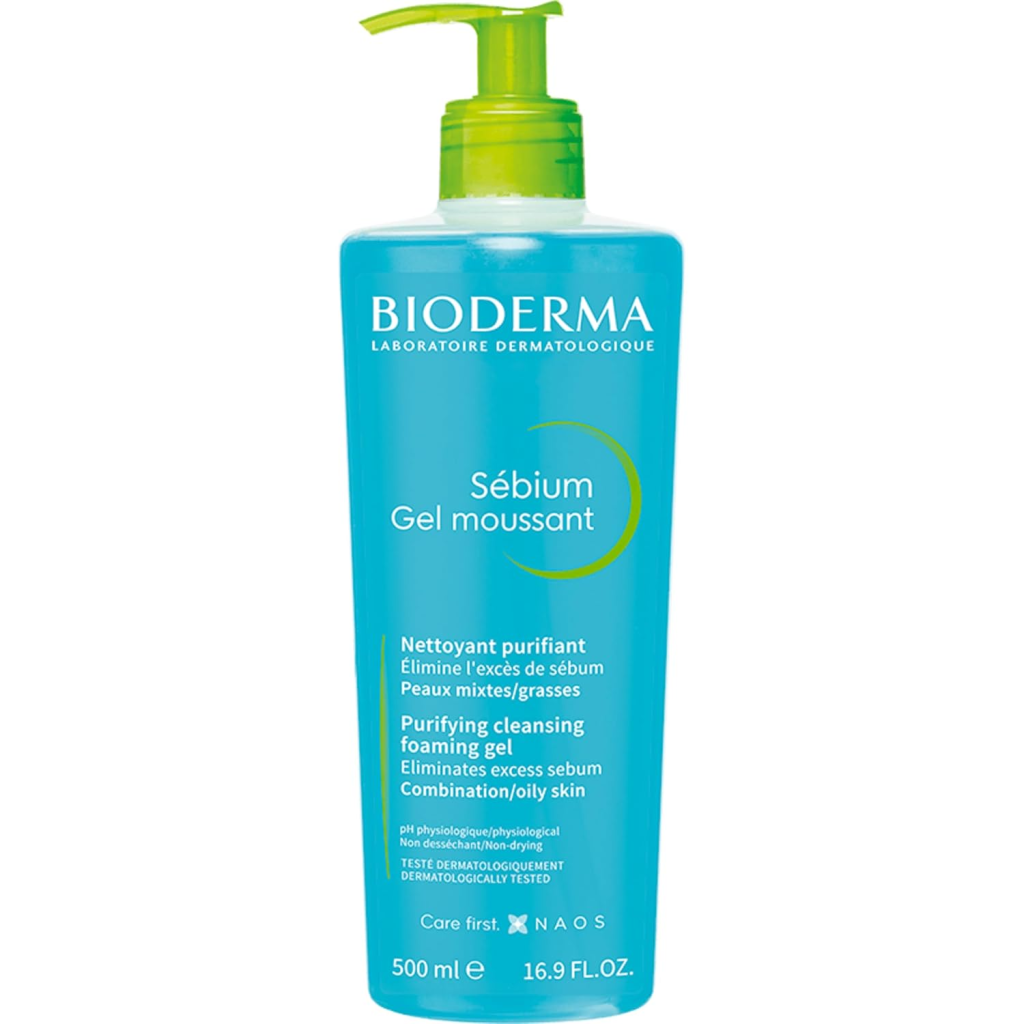
    9. Bioderma Sébium Foaming Gel

    Best for: Combination and oily skin

    Designed with combination and oily skin in mind, this lightweight foam leaves the skin feeling comfortable rather than stripped after rinsing. That makes it a solid daily option for anyone juggling both oily and normal areas on their face.

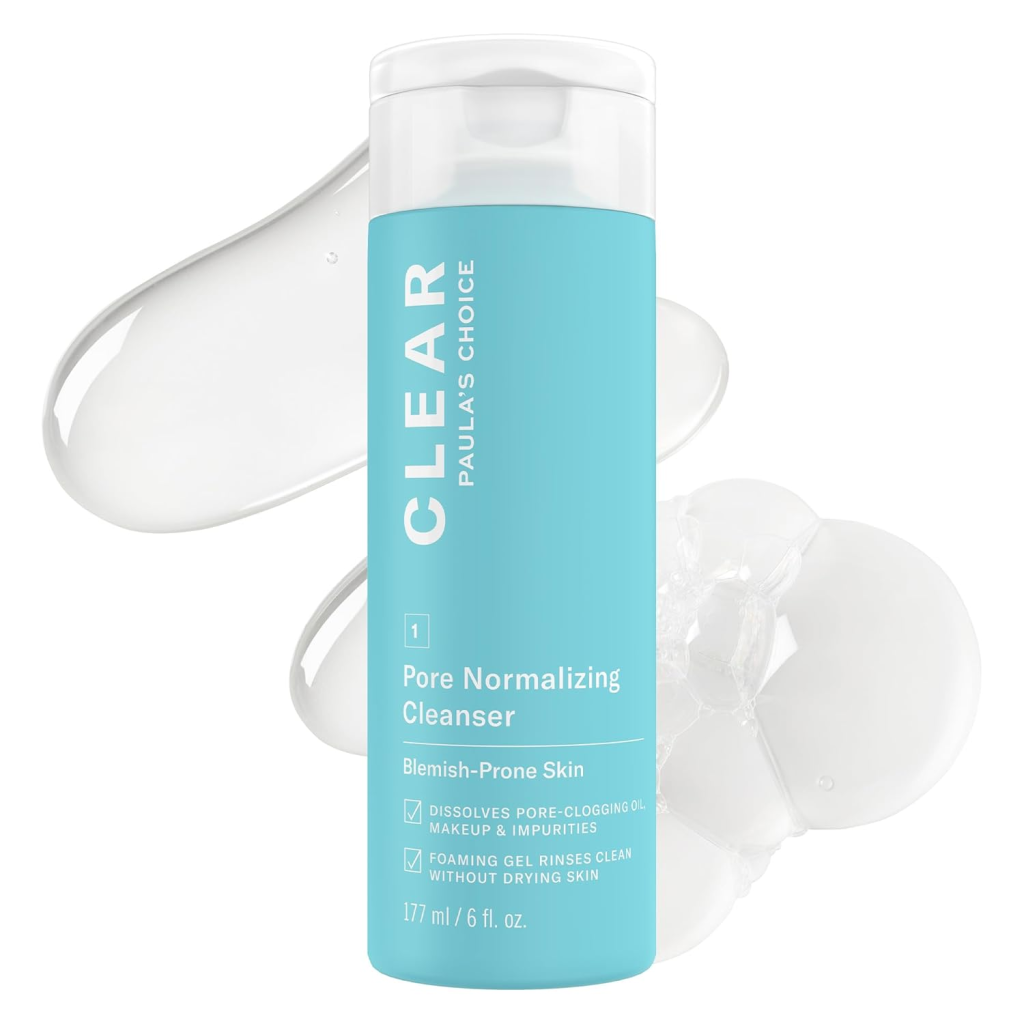
    10. Paula’s Choice CLEAR Pore Normalizing Cleanser
    Best for: Acne-prone oily skin

    Rounding out the list is this gentle yet thorough cleanser, built to fit neatly into a broader acne-care routine. It removes excess oil without over-drying, which makes it easier to pair with other acne treatments down the line.

    Which Cleanser Should You Choose?

    With so many solid options, narrowing it down often comes down to your specific skin goals. Here’s a quick breakdown:

    • New to skincare? Start with Cetaphil or CeraVe.
    • Dealing with acne? Reach for Neutrogena or Paula’s Choice.
    • Have sensitive skin? Vanicream or La Roche-Posay are gentler bets.
    • Love Korean skincare? COSRX is worth trying first.

    How to Wash Oily Skin Correctly

    Even the best cleanser won’t perform well if it’s not used as part of a consistent routine. Here’s a simple structure to follow:

    Morning

    1. Cleanser
    2. Moisturizer
    3. Sunscreen

    Night

    1. Cleanser
    2. Treatment serum
    3. Moisturizer

    Once your cleansing step is dialed in, the rest of your routine matters just as much. You might also want to check out:

    Conclusion

    At the end of the day, the best cleanser for oily skin isn’t necessarily the most popular one. It’s the one that cleans effectively without leaving your skin feeling stripped or tight. Pay attention to what your skin is telling you, choose a formula that matches your specific concerns, and stick with it consistently. Over time, that consistency will matter more than any single product on this list.

    FAQs

    How often should I cleanse oily skin?

    Twice a day, in the morning and evening, is typically enough. Cleansing more often than that can strip your skin and trigger extra oil production.

    Can cleansing too often make my skin oilier?

    Yes. Over-cleansing removes natural oils your skin needs, which can prompt it to produce even more sebum to compensate.

    Is salicylic acid good for oily skin?

     Generally, yes. It helps dissolve the buildup inside pores, making it especially useful for oily and acne-prone skin. That said, it should be used as directed to avoid dryness or irritation.

    Should oily skin use a foaming cleanser?

    Foaming cleansers can work well for oily skin since they tend to cut through excess oil effectively. Just make sure the formula isn’t overly harsh or drying.

    Can I use the same cleanser morning and night?

    In most cases, yes. Many of the cleansers on this list are gentle enough for twice-daily use, though some people prefer a lighter formula in the morning and a deeper clean at night.

    Which cleanser is best for beginners with oily skin?

     Cetaphil Oily Skin Cleanser and CeraVe Foaming Facial Cleanser are both straightforward, effective starting points.

    What ingredients should I avoid if I have oily skin?

     Heavy oils, harsh sulfates, and dense creams can all clog pores or over-strip the skin. It’s usually best to steer clear of these if oil control is your goal.
  • Different Skin Types Explained

    Last updated: June 2026

    You’ve probably been there: you buy the serum your favorite influencer swears by, use it for two weeks, and somehow end up with more breakouts (or more dryness) than when you started. Nine times out of ten, the problem isn’t the product but that the product was never made for your skin type.

    Skin type is the single biggest factor in whether a skincare routine helps or hurts. A gel cleanser that makes oily skin feel fresh can leave dry skin tight and flaky. A rich, ceramide-packed cream that rescues dehydrated skin can clog pores and trigger breakouts on oily skin. Once you know your skin type, choosing the right cleanser, moisturizer, serum, and SPF stops being guesswork.

    How to Identify Your Skin Type and Build a Routine That Actually Works

    In this guide, you’ll learn how to identify your skin type at home, what each type actually looks and feels like day to day, and exactly which ingredients and routines work best for it so you can stop wasting money on products that were never going to work for you in the first place.

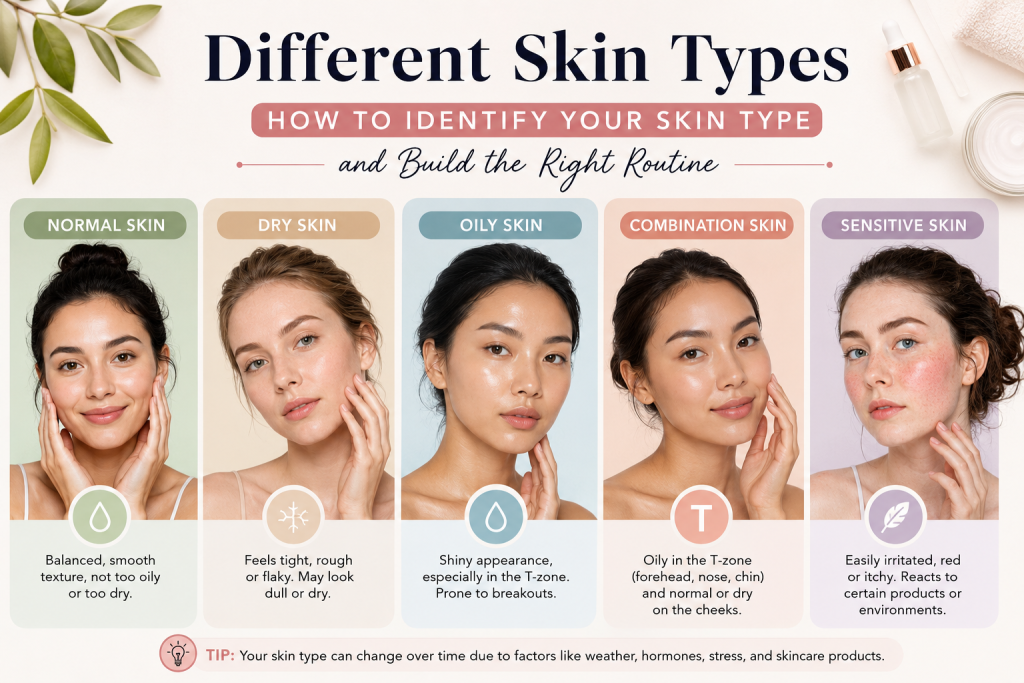
    What Are the 5 Skin Types?

    Dermatologists generally group skin into five main skin types:

    Skin TypeQuick SignBest Friend Ingredient
    NormalBalanced, few issuesHyaluronic acid
    DryTight, flaky after washingCeramides, glycerin
    OilyShiny by midday, larger poresNiacinamide, salicylic acid
    CombinationOily T-zone, drier cheeksLightweight, zone-specific products
    SensitiveReacts to new products, rednessCentella asiatica, oat extract

    Your skin type isn’t fixed forever. Weather, age, hormones, stress, medication, and even the products you use can shift it over time. That’s why it’s worth reassessing every few months, not just once.

    Why Your Skin Type Matters More Than Any “Holy Grail” Product

    Before you spend another dollar on a trending serum, it helps to understand what your skin is already doing naturally. Your skin type directly affects:

    • How much oil (sebum) your skin produces on its own
    • Whether your skin feels tight, flaky, or genuinely dehydrated
    • How prone you are to clogged pores and breakouts
    • Which active ingredients you’ll tolerate well and which will backfire
    • What kind of cleanser, moisturizer, and SPF formula will actually sit well on your face

    Knowing this upfront means you stop chasing other people’s “holy grail” products and start building a routine based on what your own skin needs.

    1. Normal Skin

    Normal skin is the baseline everyone else is kind of jealous of because it’s well-balanced, neither oily nor dry, and generally low-drama.

    Signs You Have Normal Skin

    • Skin feels soft, smooth, and comfortable most of the day
    • Pores are small and barely noticeable
    • Few breakouts, dry patches, or flare-ups
    • Skin doesn’t feel tight or stripped after cleansing
    • Makeup applies smoothly and doesn’t separate or slide

    Even though normal skin is low-maintenance, it still benefits from consistent care because “normal” can drift toward dry or oily with age, season changes, or stress if it’s neglected.

    Best Skincare Routine for Normal Skin

    • Cleanser: A gentle, pH-balanced cleanser morning and night
    • Moisturizer: Lightweight lotion or gel-cream to maintain the skin barrier
    • Sunscreen: Broad-spectrum SPF 30+ every single day, rain or shine
    • Treatment: Hyaluronic acid or a vitamin C serum for added hydration and brightness
    • Exfoliation: A mild chemical exfoliant (like a low-percentage AHA) 1–2 times per week
    2. Dry Skin

    Dry skin simply produces less natural oil than other types, which means it has a harder time holding onto moisture on its own.

    Signs You Have Dry Skin

    • Noticeable tightness within minutes of cleansing
    • Rough texture, flaking, or visible dry patches
    • A dull or ashy-looking complexion
    • Fine lines that seem more pronounced, especially by evening
    • Occasional itchiness or a “tight mask” feeling

    Dry skin needs reinforcement, not stripping. Harsh foaming cleansers, hot water, and over-exfoliation are the fastest ways to make it worse.

    Best Skincare Routine for Dry Skin

    • Cleanser: A creamy, non-foaming or oil-based cleanser
    • Moisturizer: A richer cream with ceramides, glycerin, squalane, or hyaluronic acid
    • Water temperature: Lukewarm, never hot. Hot water strips natural oils
    • Application tip: Apply moisturizer to slightly damp skin to lock in extra hydration
    • Extra step: A facial oil or overnight sleeping mask 2–3 nights a week for an added moisture boost
    3. Oily Skin

    Oily skin produces excess sebum, the natural oil that keeps skin lubricated, but too much of it leads to shine, clogged pores, and breakouts.

    Signs You Have Oily Skin

    • Visible shine across the forehead, nose, and chin by midday
    • Enlarged, more visible pores
    • Frequent blackheads, whiteheads, or active breakouts
    • Makeup that fades or slides off faster than expected
    • Skin feels greasy again shortly after cleansing

    The biggest mistake with oily skin is over-stripping it. Harsh, drying products can actually trigger more oil production as the skin tries to compensate, a cycle dermatologists call “rebound oiliness.”

    Best Skincare Routine for Oily Skin

    • Cleanser: A gentle foaming or gel cleanser (avoid bar soap and high-alcohol formulas)
    • Moisturizer: An oil-free, lightweight, non-comedogenic gel-cream. Yes, even oily skin needs this
    • Treatment: Niacinamide to regulate oil production; salicylic acid (BHA) to keep pores clear
    • Masks: A weekly clay or charcoal mask to absorb excess oil
    • Avoid: Heavy, occlusive creams and comedogenic oils like coconut oil
    4. Combination Skin

    Combination skin is exactly what it sounds like, oily in some areas, normal or dry in others, usually split along the T-zone (forehead, nose, and chin) versus the cheeks.

    Signs You Have Combination Skin

    • An oily forehead, nose, and/or chin
    • Cheeks that feel normal or even dry
    • Breakouts concentrated mostly in the T-zone
    • Pores that look larger in some areas but minimal in others
    • Skin that seems to change personality with the seasons

    Because combination skin has two sets of needs at once, a one-size-fits-all product often under-treats one zone while overwhelming the other.

    Best Skincare Routine for Combination Skin

    • Cleanser: A gentle, balanced cleanser that won’t over-dry the cheeks while still cutting through T-zone oil
    • Moisturizer: Apply a lightweight lotion everywhere, then layer a richer cream on drier areas only
    • Masking: Clay masks on the T-zone only; hydrating sheet masks on the cheeks
    • Treatment: Niacinamide works well across the whole face for balancing oil production
    • Avoid: Products that are either too harsh (dries out cheeks) or too heavy (clogs the T-zone)
    5. Sensitive Skin

    Sensitive skin reacts more easily to products, weather, fragrance, and certain active ingredients. It can also overlap with any of the other four types meaning you can have dry-sensitive, oily-sensitive, or combination-sensitive skin.

    Signs You Have Sensitive Skin

    • Burning, stinging, or itching shortly after applying products
    • Redness, blotchiness, or visible irritation
    • Reactions to fragrance, alcohol, or active ingredients other skin types tolerate fine
    • Inflamed or easily irritated patches
    • Discomfort after cleansing, exfoliating, or sun exposure

    Sensitive skin thrives on simplicity. The goal isn’t to throw soothing ingredients at every flare-up but to reduce the number of variables your skin has to deal with in the first place.

    Best Skincare Routine for Sensitive Skin

    • Cleanser: Fragrance-free, alcohol-free, and as short an ingredient list as possible
    • Moisturizer: Simple, barrier-supporting formulas with ceramides and minimal additives
    • Patch test: Always test new products on your inner arm or jawline for 48 hours before applying to your full face
    • Avoid: Over-exfoliating, physical scrubs, and layering multiple actives at once
    • Look for: Soothing ingredients like aloe vera, oat extract, centella asiatica (cica), and panthenol

    How to Identify Your Skin Type at Home: The Bare-Face Test

    If you’re genuinely unsure where you land, this simple at-home test takes less than an hour:

    1. Cleanse: Wash your face with a gentle, neutral cleanser.
    2. Pat dry: Gently pat (don’t rub) your skin dry.
    3. Wait it out: Leave your skin completely bare for 30 minutes to 1 hour. No moisturizer, no serum, nothing.
    4. Observe: Check how your skin looks and feels in good natural light.

    Reading the Results

    • Comfortable and balanced all over → likely normal skin
    • Tight, rough, or flaking → likely dry skin
    • Shiny across the whole face → likely oily skin
    • Shiny only in the T-zone, normal/dry elsewhere → likely combination skin
    • Itchy, red, or visibly irritated → likely sensitive skin

    Keep in mind, real skin is messy, and plenty of people land somewhere between two categories, and that’s completely normal. Use the test as a starting point, not a permanent label.

    Can Your Skin Type Change Over Time?

    Yes, and this is one of the most overlooked parts of skincare. Skin type isn’t a fixed identity; it shifts in response to:

    • Hormonal changes (puberty, pregnancy, menopause, hormonal birth control)
    • Weather and climate (humid summers vs. dry, cold winters)
    • Aging (oil production naturally declines with age)
    • Stress (can trigger both breakouts and barrier issues)
    • Diet and lifestyle (hydration, sleep, alcohol, and sugar intake all play a role)
    • New skincare products or medications (retinoids, acne medications, etc.)

    For example, it’s extremely common for someone with oily, acne-prone skin in their teens and twenties to develop drier, more sensitive skin in their thirties and forties. Likewise, combination skin often feels noticeably drier in winter and oilier in summer. Reassessing your skin every season keeps your routine actually working.

    A Simple Routine Framework for Every Skin Type

    No matter which type you have, almost everyone benefits from the same three foundational steps:

    1. Cleanser — removes dirt, excess oil, sunscreen, and pollution buildup
    2. Moisturizer — reinforces the skin barrier and prevents water loss (yes, even oily skin needs this)
    3. Sunscreen (SPF 30+) — protects against UV damage, premature aging, and hyperpigmentation

    From there, layer in targeted treatments based on your specific needs:

    • Dry skin → hydrating serums, richer creams, occlusives like squalane
    • Oily skin → niacinamide, salicylic acid, lightweight oil-free formulas
    • Sensitive skin → minimal, fragrance-free, barrier-repair-focused products
    • Combination skin → zone-specific layering (lightweight on the T-zone, richer on the cheeks)

    Common Mistakes People Make with Their Skin Type

    Even once you know your skin type, a few habits can quietly undo all your progress:

    1. Using Products That Are Too Harsh

    Aggressive cleansers and over-exfoliation damage the skin barrier, often making skin more irritated, drier, or paradoxically oilier as it overcompensates.

    2. Skipping Moisturizer

    A common myth is that oily or acne-prone skin doesn’t need moisturizer. In reality, every skin type needs hydration and skipping it can actually worsen oiliness and breakouts.

    3. Copying Someone Else’s Routine

    A 10-step routine built for someone with dry, mature skin can be a disaster for oily, acne-prone skin, and vice versa. Build around your own skin type and concerns, not someone else’s.

    4. Changing Products Too Often

    Introducing several new products at once makes it nearly impossible to tell what’s helping and what’s causing a reaction. Add one new product at a time and give it a few weeks before judging results.

    5. Ignoring Seasonal Changes

    Using the exact same routine year-round, regardless of humidity or temperature shifts, is one of the most common reasons people feel like their “skin type changed” when really their routine just needs to flex with the seasons.

    Conclusion

    Understanding the different skin types: normal, dry, oily, combination, and sensitive takes a lot of the guesswork out of skincare. Once you know which category (or combination of categories) you fall into, choosing the right cleanser, moisturizer, and treatment products becomes far less overwhelming.

    The goal isn’t a perfect 12-step routine. It’s a consistent one that actually matches what your skin needs right now and one you’re willing to adjust as your skin changes with age, season, and life stage. Start simple, introduce changes gradually, and pay attention to how your skin responds. That’s the real foundation of a sustainable, effective skincare routine.

    Frequently Asked Questions

    What are the 5 different skin types?

    The five main skin types are normal, dry, oily, combination, and sensitive. Each has distinct needs, and identifying yours is the first step toward choosing the right skincare products.

    How do I know what skin type I have?

    Try the bare-face test: cleanse your face, leave it product-free for 30–60 minutes, then observe whether it feels balanced, tight and flaky, shiny all over, oily only in the T-zone, or irritated and reactive.

    Can I have more than one skin type?

    Yes. Combination skin (oily T-zone, drier cheeks) is extremely common, and sensitive skin can overlap with dry, oily, normal, or combination skin at the same time.

    Does oily skin still need moisturizer?

    Yes. Skipping moisturizer can actually trigger more oil production as skin tries to compensate for the lack of hydration. Use an oil-free, lightweight, non-comedogenic formula instead of skipping this step entirely.

    Can skin type change with age?

    Yes. Hormones, aging, weather, stress, diet, and medications can all shift your skin type over time. It’s worth reassessing your skin every few months, especially across seasonal changes.

    What’s the difference between dehydrated skin and dry skin?

    Dry skin is a skin type that lacks natural oil (sebum) over time. Dehydrated skin is a condition where the skin lacks water and can affect any skin type, including oily skin. You can have oily, dehydrated skin that needs hydrating ingredients like hyaluronic acid even though it doesn’t need richer, oil-based moisturizers.

    How often should I reassess my skin type?

    Checking in every 3 months, or whenever the season changes significantly, is a reasonable habit. Major life events like pregnancy, starting/stopping hormonal birth control, moving to a new climate are also good triggers to retest.

  • Hyaluronic Acid Guide

    Affiliate Disclosure: This article may contain affiliate links. If you purchase through these links, we may earn a small commission at no extra cost to you. Thank you for your support.

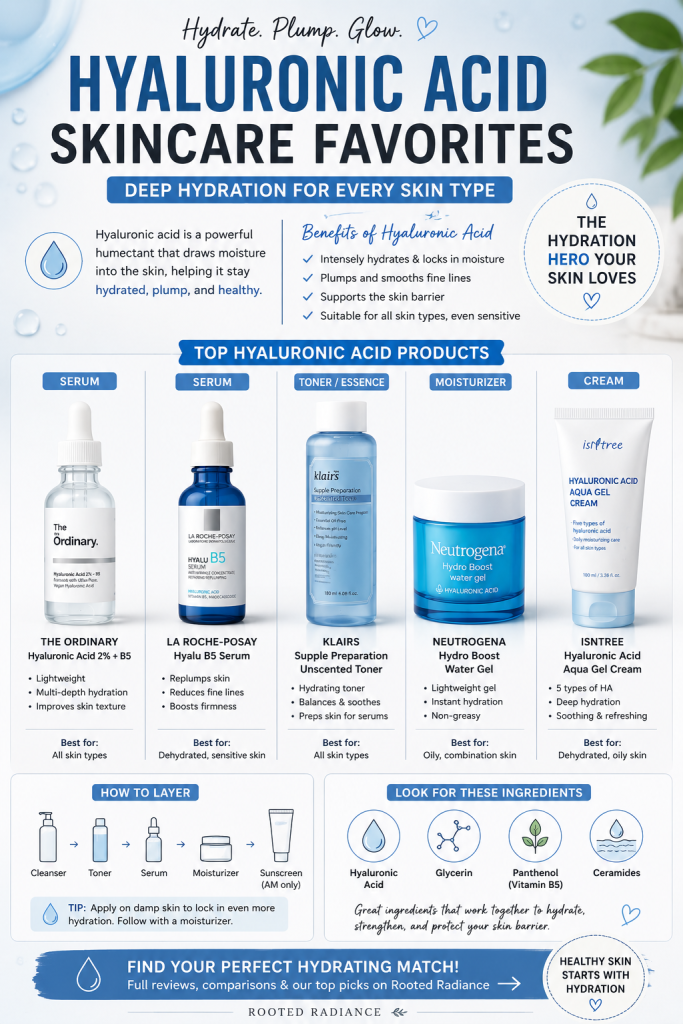
    Benefits, How to Use It, and the Best Hyaluronic Acid Serums for Every Skin Type

    If you’ve ever searched for the best skincare ingredients for hydration, you’ve probably come across hyaluronic acid. In fact, hyaluronic acid has become one of the most popular skincare ingredients because it helps attract and retain moisture, leaving skin looking plump, smooth, and healthy.

    However, many people still wonder: What exactly is hyaluronic acid? How does it work? And which hyaluronic acid serum is best for your skin type?

    In this comprehensive hyaluronic acid guide, you’ll learn the benefits of hyaluronic acid, how to use it correctly, common mistakes to avoid, and the best hyaluronic acid serums worth considering.

    What Is Hyaluronic Acid?

    Hyaluronic acid is a naturally occurring substance found in the skin, connective tissues, and eyes. Its primary function is to retain water and keep tissues lubricated and hydrated.

    In fact, hyaluronic acid can hold up to 1,000 times its weight in water. As a result, it plays a crucial role in maintaining skin hydration and elasticity.

    Unfortunately, as we age, our natural hyaluronic acid levels decline. Consequently, skin may become drier, less plump, and more prone to fine lines.

    Therefore, incorporating a hyaluronic acid serum into your skincare routine can help replenish moisture and support a healthier-looking complexion.

    Benefits of Hyaluronic Acid for Skin

    Hyaluronic acid offers several skincare benefits. Not only is it suitable for most skin types, but it also works well alongside many other skincare ingredients.

    1. Deep Hydration

    First and foremost, hyaluronic acid attracts water to the skin, helping maintain optimal hydration levels throughout the day.

    2. Plumper-Looking Skin

    Additionally, hydrated skin often appears fuller and more youthful. As a result, fine lines may appear less noticeable.

    3. Supports the Skin Barrier

    Furthermore, a well-hydrated skin barrier is better equipped to protect against environmental stressors and moisture loss.

    4. Suitable for Most Skin Types

    Whether you have oily skin, dry skin, combination skin, or sensitive skin, hyaluronic acid is generally well tolerated.

    5. Layers Well With Other Ingredients

    Moreover, hyaluronic acid can be used alongside ingredients such as niacinamide, vitamin C, and retinol.

    For more ingredient-focused skincare advice, check out our Retinol Beginner Guide and Niacinamide Guide for Oily Skin.

    Who Should Use Hyaluronic Acid?

    The good news is that almost everyone can benefit from hyaluronic acid.

    It is especially beneficial for:

    • Dry skin
    • Dehydrated skin
    • Mature skin
    • Sensitive skin
    • Oily skin
    • Acne-prone skin

    Even if your skin produces excess oil, hydration remains essential. Therefore, using a lightweight hyaluronic acid serum can help maintain balance without feeling heavy.

    How to Use Hyaluronic Acid Correctly

    Many people use hyaluronic acid incorrectly. Therefore, following the proper application method can make a significant difference.

    Step 1: Cleanse Your Skin

    Begin with a gentle cleanser to remove dirt, oil, and impurities.

    Step 2: Apply to Damp Skin

    Next, apply hyaluronic acid serum while your skin is slightly damp. This helps the ingredient attract moisture more effectively.

    Step 3: Follow With Moisturizer

    Afterward, seal in hydration with a moisturizer. This step is crucial because it helps prevent moisture from evaporating.

    Step 4: Wear Sunscreen During the Day

    Finally, finish your morning skincare routine with sunscreen to protect your skin from UV damage.

    If you’re unsure about skincare routine order, read our guide on Morning vs Night Skincare Routine.

    Best Hyaluronic Acid Serums

    Below are some of the most popular hyaluronic acid serums available today.

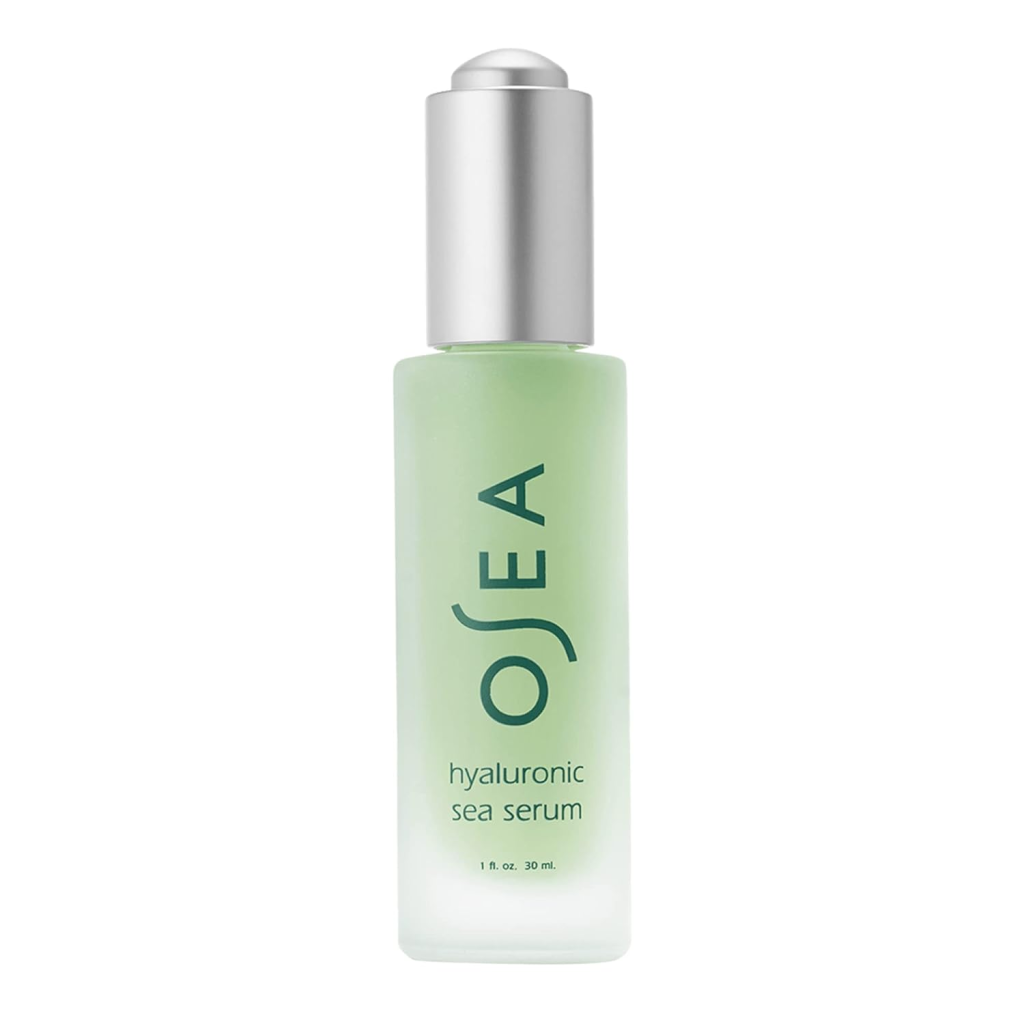
    1. Osea Malibu Hyaluronic Sea Serum

    This lightweight serum combines hyaluronic acid with marine-based ingredients to deliver hydration while supporting a healthy-looking complexion.

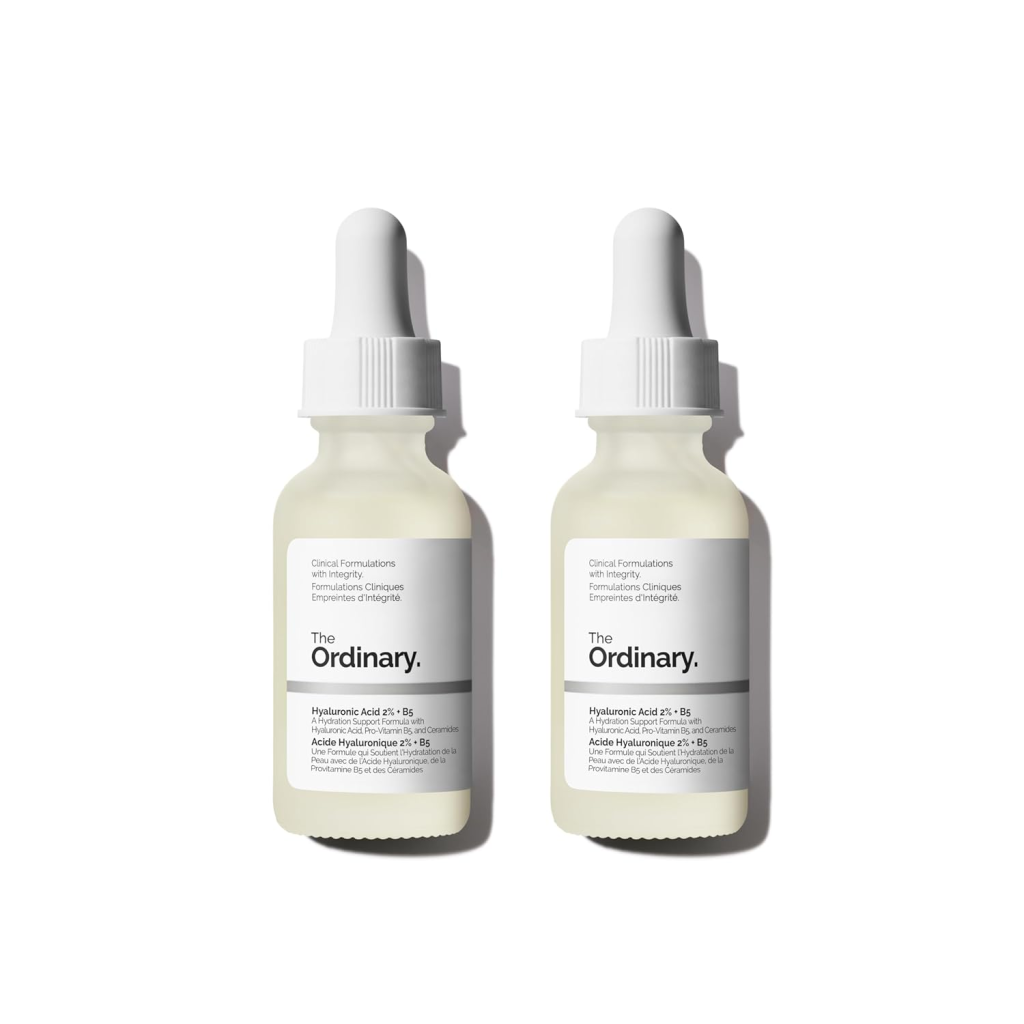
    2. The Ordinary Hyaluronic Acid 2% + B5

    One of the most affordable options, this serum combines multiple forms of hyaluronic acid with vitamin B5 for enhanced hydration.

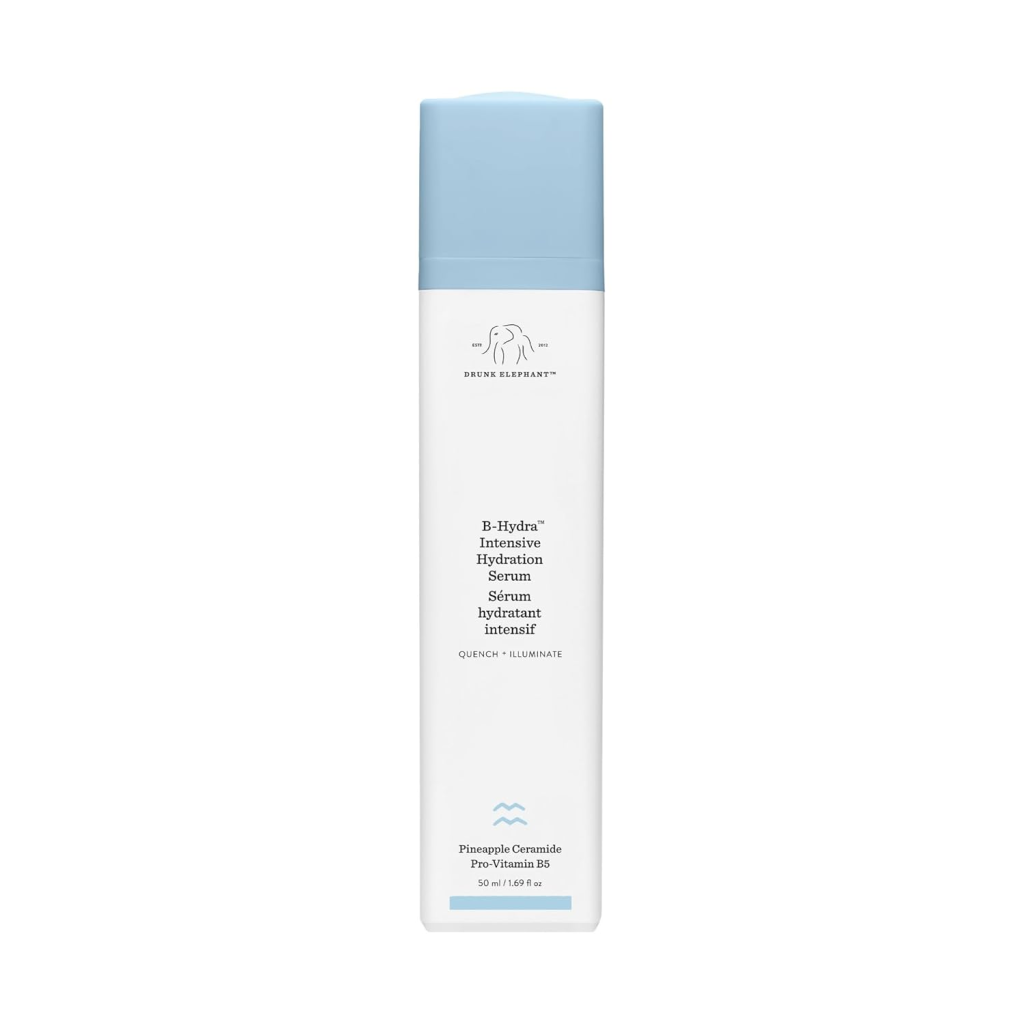
    3. Drunk Elephant B-Hydra Intensive Hydration Serum

    This serum focuses on long-lasting hydration while helping improve skin texture and smoothness.

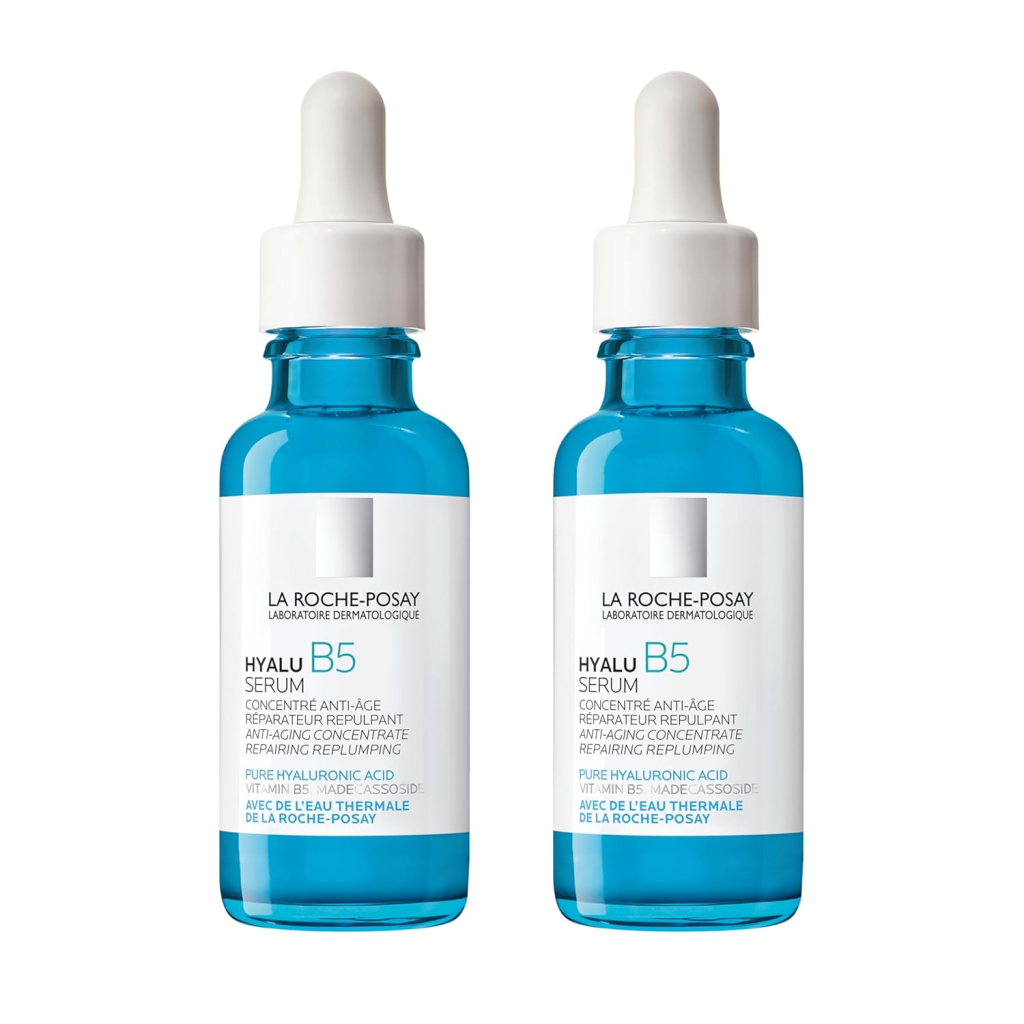
    4. La Roche-Posay Hyalu B5 Pure Hyaluronic Acid Serum

    Ideal for sensitive skin, this serum combines hyaluronic acid and vitamin B5 to support skin repair and hydration.

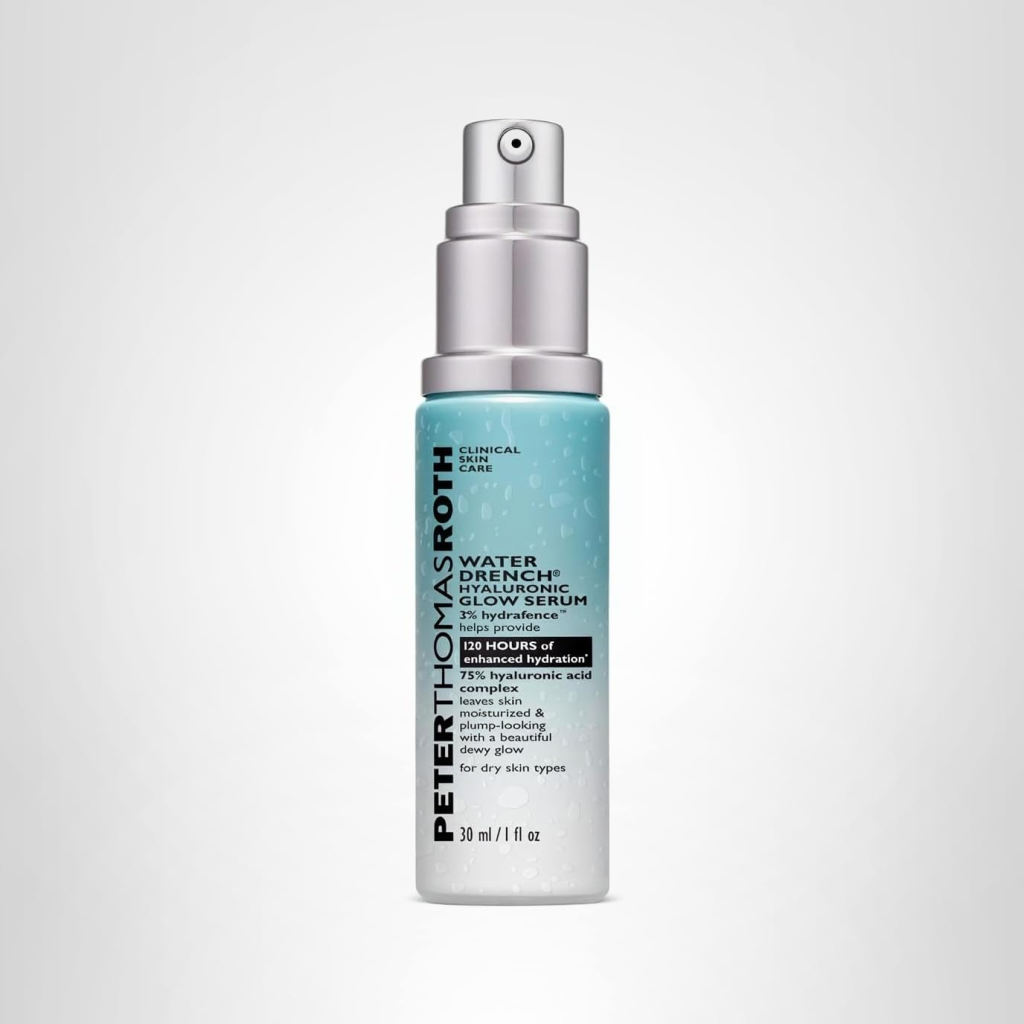
    5. Peter Thomas Roth Water Drench Hyaluronic Liquid Gel Cloud Serum

    Designed to provide intense hydration, this serum helps leave skin feeling soft and refreshed.

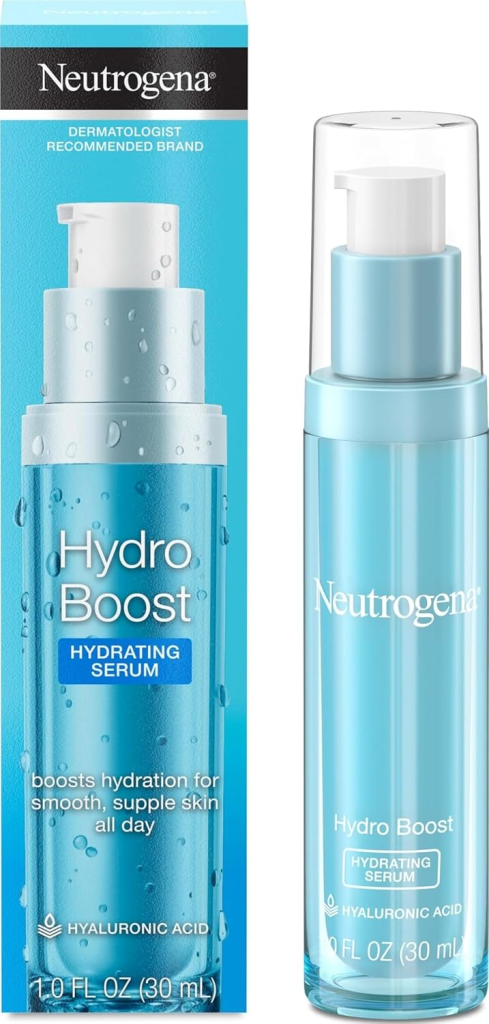
    6. Neutrogena Hydro Boost Hydrating Serum

    A popular drugstore option that delivers lightweight hydration without feeling greasy.

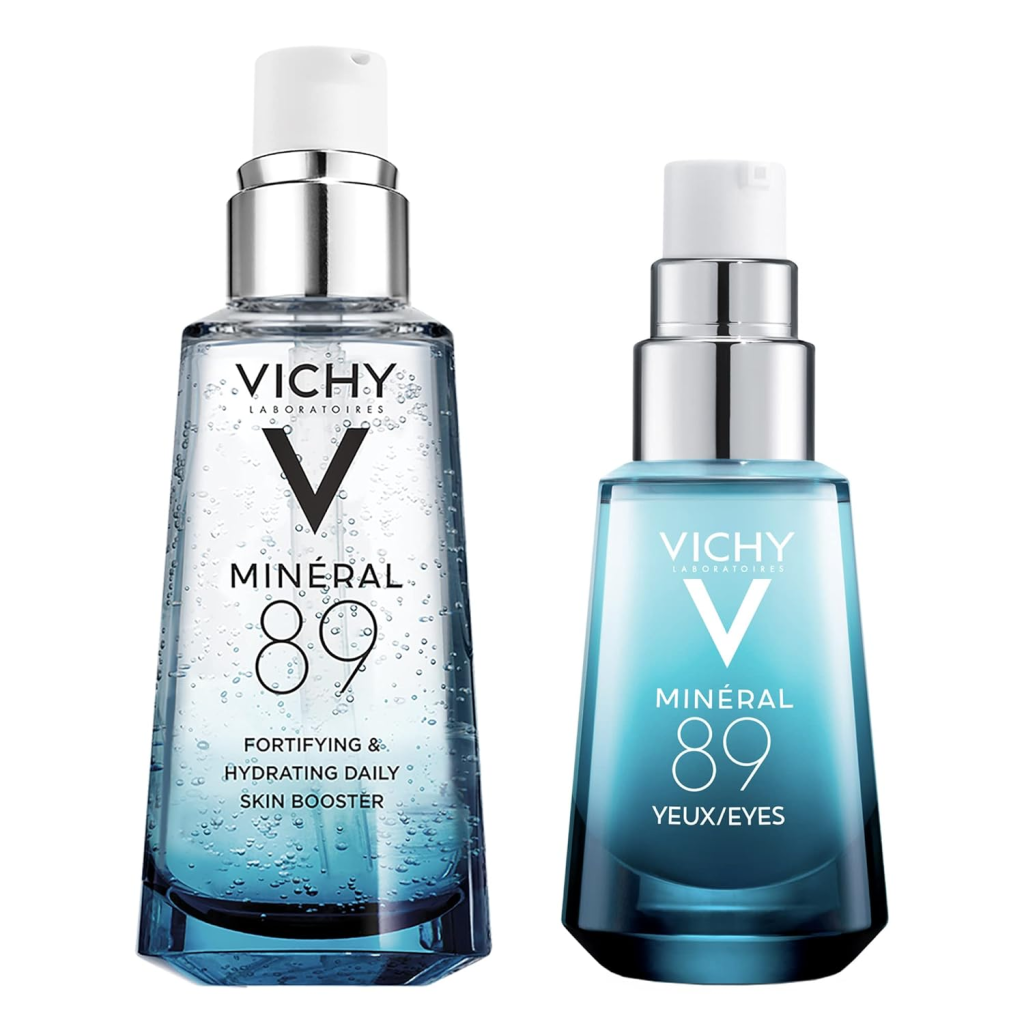
    7. Vichy Mineral 89 Hyaluronic Acid Face Serum

    This serum combines volcanic mineral water with hyaluronic acid to strengthen the skin barrier and boost hydration.

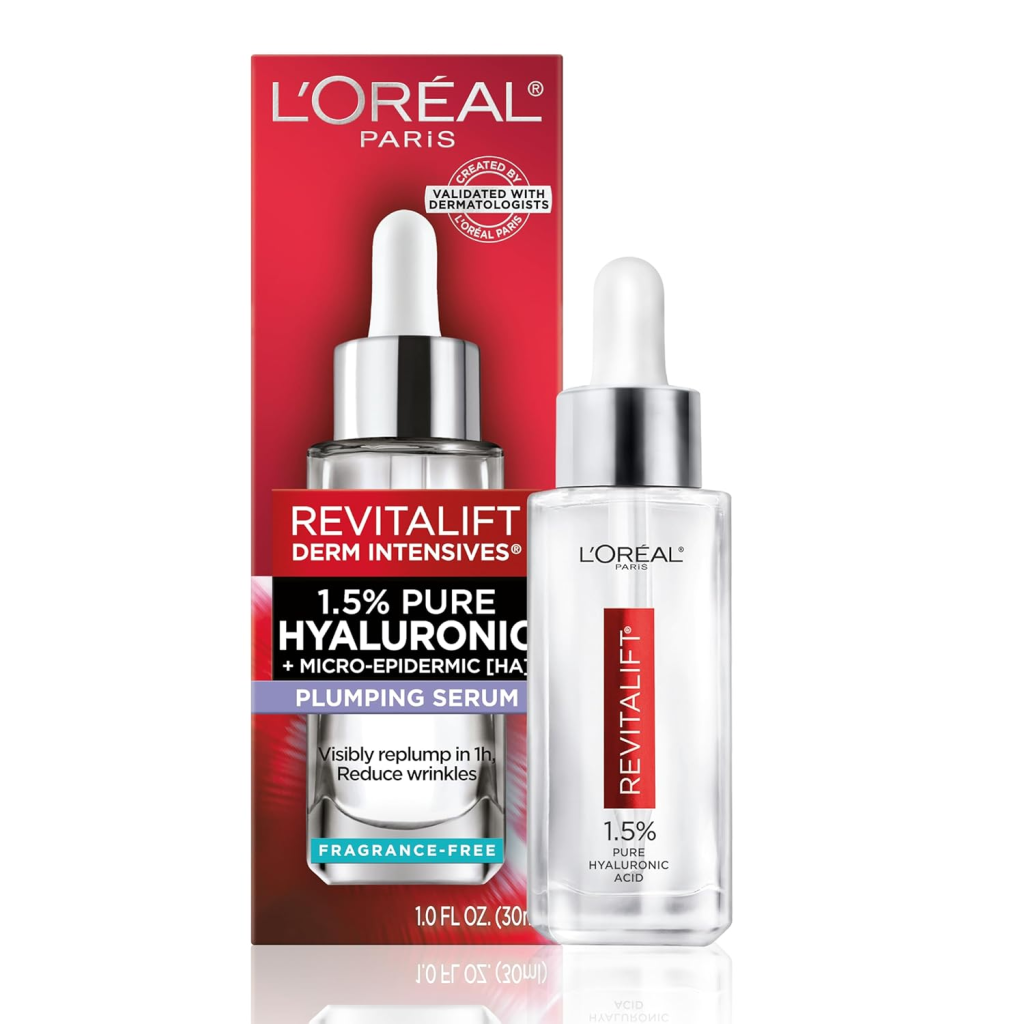
    8. L’Oréal Paris Revitalift 1.5% Pure Hyaluronic Acid Face Serum

    Known for its lightweight texture, this serum helps improve hydration and skin smoothness.

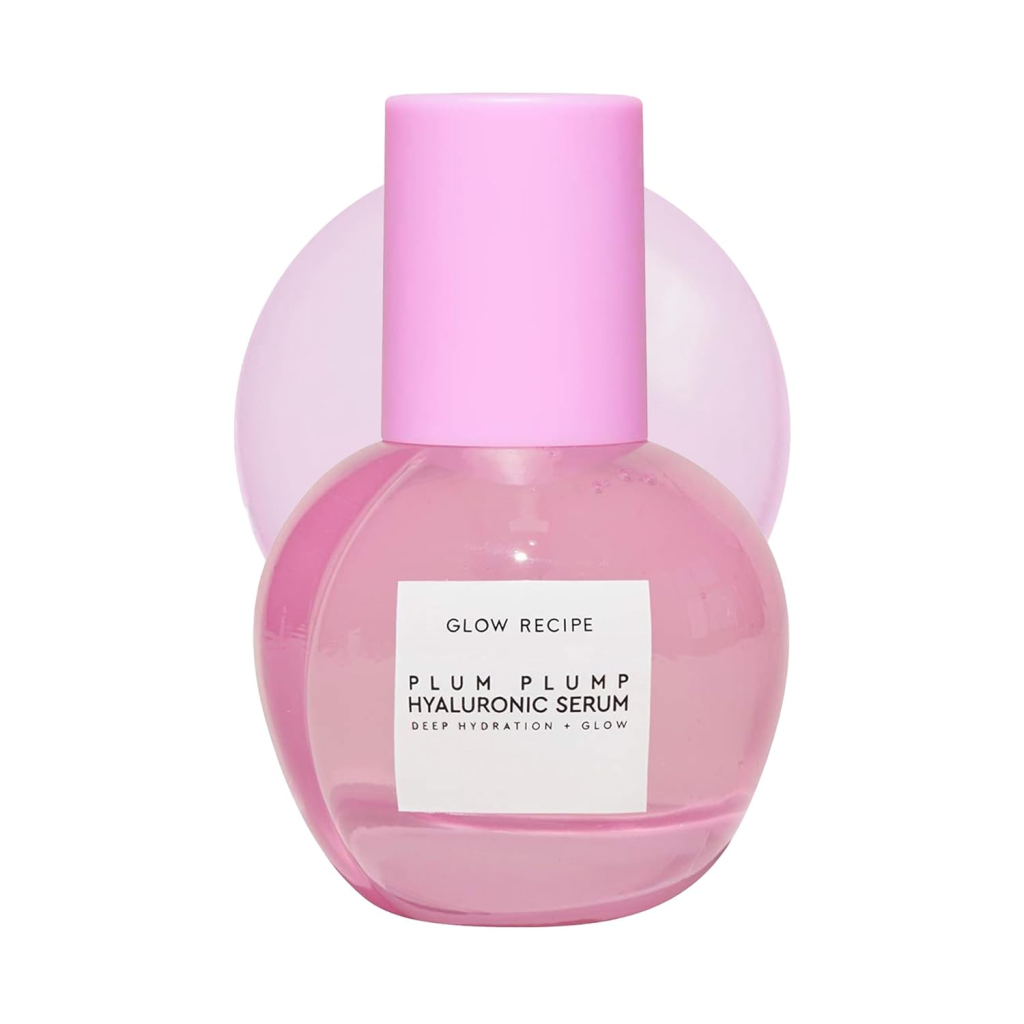
    9. Glow Recipe Plum Plump Hyaluronic Serum

    This serum combines hyaluronic acid with antioxidant-rich ingredients to support a healthy glow.

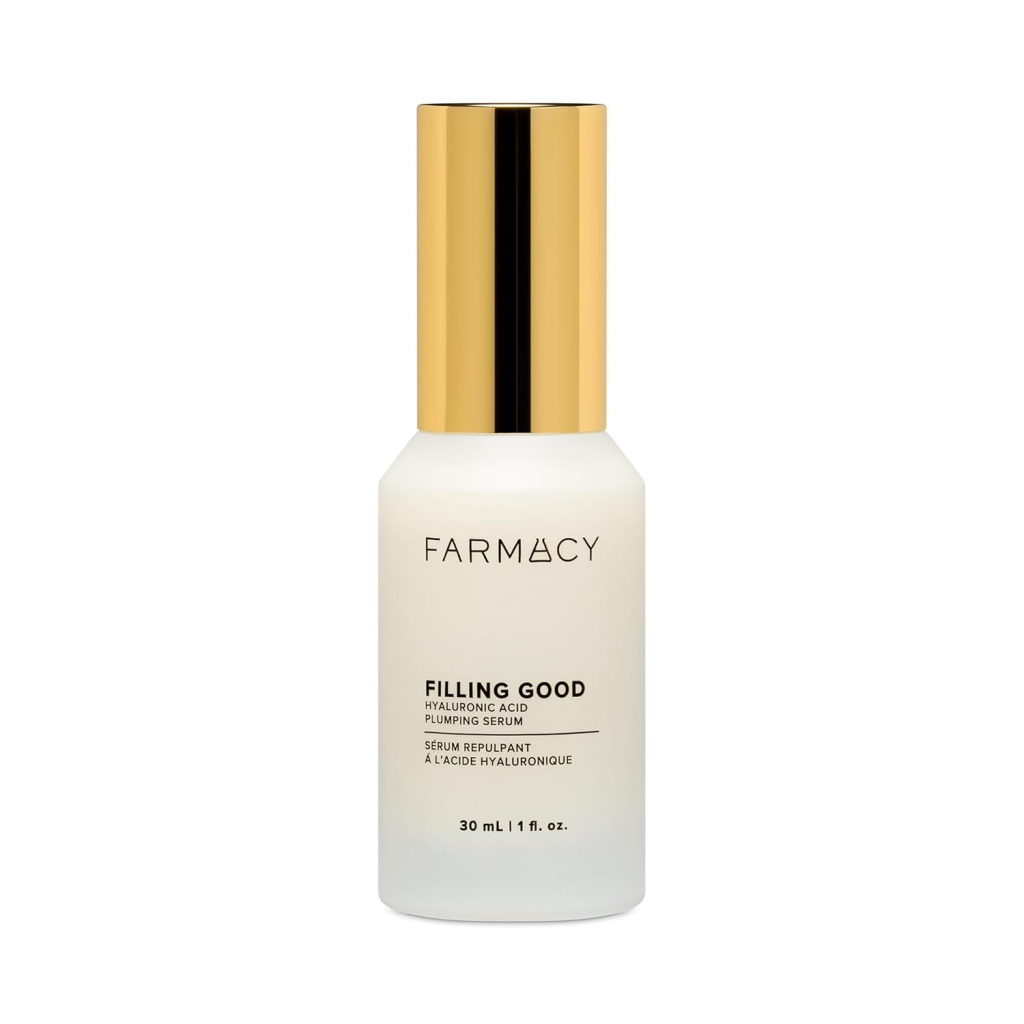
    10. Farmacy Filling Good Hyaluronic Acid Plumping Serum

    A hydrating formula designed to help skin look plumper and more radiant.

    Common Hyaluronic Acid Mistakes to Avoid

    Although hyaluronic acid is beginner-friendly, there are still a few mistakes to avoid.

    Applying It to Dry Skin

    Instead, apply it to damp skin to maximize hydration benefits.

    Skipping Moisturizer

    Without a moisturizer, hydration may not be effectively sealed into the skin.

    Expecting Instant Results

    While some hydration benefits are noticeable quickly, long-term improvements require consistent use.

    Using Too Many New Products at Once

    Whenever possible, introduce new skincare products gradually to monitor your skin’s response.

    Can You Use Hyaluronic Acid with Other Ingredients?

    Yes. In fact, hyaluronic acid works well with many popular skincare ingredients.

    These include:

    • Retinol
    • Niacinamide
    • Vitamin C
    • Ceramides
    • Peptides

    As a result, it is often one of the easiest skincare ingredients to incorporate into an existing routine.

    Conclusion

    Hyaluronic acid is one of the most versatile skincare ingredients available. Not only does it provide deep hydration, but it also supports the skin barrier, enhances skin texture, and complements other active ingredients effectively.

    Whether you’re building a beginner skincare routine or upgrading your current regimen, adding a quality hyaluronic acid serum can help your skin look healthier, smoother, and more radiant.

    Most importantly, remember to apply hyaluronic acid to damp skin and follow it with a moisturizer for the best results.

    Frequently Asked Questions

    What does hyaluronic acid do for the skin?

    Hyaluronic acid attracts and retains moisture, helping keep skin hydrated, smooth, and plump.

    Can oily skin use hyaluronic acid?

    Yes. Oily skin still needs hydration. In fact, dehydrated skin may produce even more oil to compensate.

    Is hyaluronic acid safe for sensitive skin?

    Generally, yes. Most people with sensitive skin tolerate hyaluronic acid very well.

    Can I use hyaluronic acid every day?

    Absolutely. Hyaluronic acid is gentle enough for daily use, both morning and night.

    Should I use hyaluronic acid before or after moisturizer?

    Use hyaluronic acid before moisturizer. Then apply moisturizer to lock in hydration.

    Can hyaluronic acid help with wrinkles?

    While it does not eliminate wrinkles, it can improve hydration and make fine lines appear less noticeable.

    Is hyaluronic acid good for acne-prone skin?

    Yes. Lightweight hyaluronic acid serums provide hydration without clogging pores, making them suitable for acne-prone skin.

  • Best Moisturizers for Oily Skin

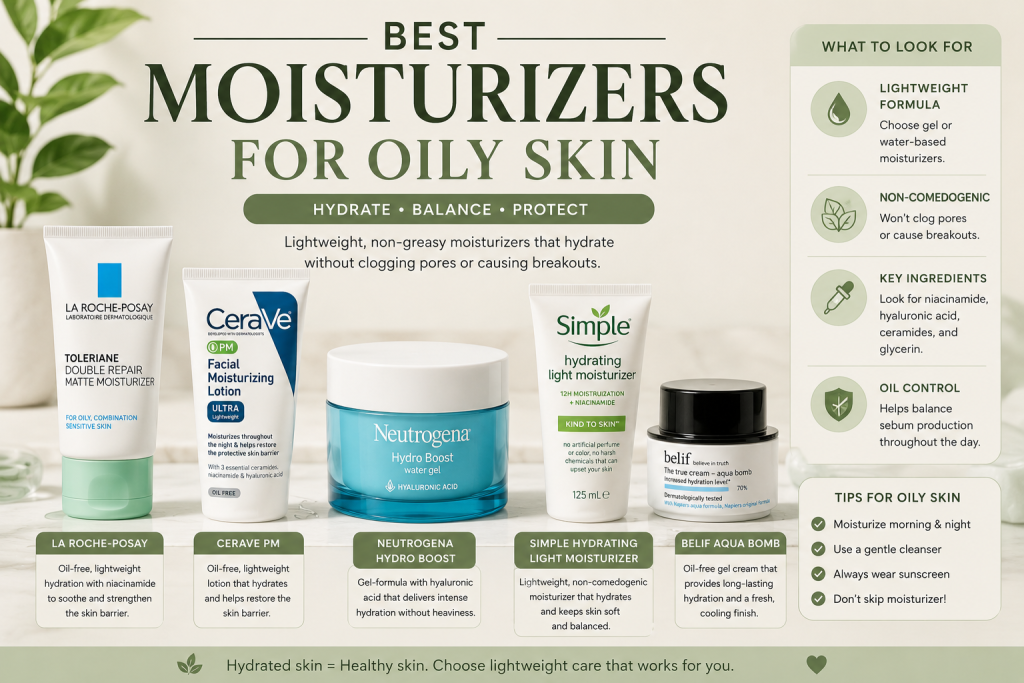
    Looking for the best moisturizers for oily skin? Discover lightweight, non-greasy moisturizers that hydrate, support the skin barrier, and help keep oily skin balanced.

    Lightweight Hydration Without the Grease

    If you have oily skin, you may think that skipping moisturizer will help reduce shine and prevent breakouts. However, the opposite is often true. When your skin lacks moisture, it can produce even more oil to compensate. As a result, your skin may become oilier throughout the day.

    Fortunately, the right moisturizer can help balance your skin without feeling heavy or greasy. In fact, many moisturizers for oily skin are specifically formulated to provide lightweight hydration while supporting the skin barrier.

    In this guide, we’ll explore the best moisturizers for oily skin, what to look for when shopping, and how to choose the right product for your skincare routine.

    Disclosure: This article contains affiliate links. As an Amazon Associate, I earn from qualifying purchases at no additional cost to you.

    Why Oily Skin Still Needs Moisturizer

    Many people with oily skin avoid moisturizers because they worry about clogged pores. Nevertheless, hydration is essential for every skin type.

    A good moisturizer can:

    • Support the skin barrier
    • Prevent dehydration
    • Improve skin texture
    • Reduce tightness after cleansing
    • Help maintain balanced oil production

    Therefore, choosing the right moisturizer is often the key to healthier-looking skin.

    Check out the Beginner Skincare Routine article to learn more about your routine.

    How We Chose These Moisturizers

    When selecting the best moisturizers for oily skin, we looked for products that:

    • Feel lightweight on the skin
    • Absorb quickly
    • Provide hydration without excess oil
    • Work well under sunscreen and makeup
    • Are suitable for acne-prone skin
    • Support the skin barrier

    As a result, every moisturizer on this list is designed to hydrate without leaving a greasy finish.

    Best Moisturizers for Oily Skin

    1. CeraVe PM Facial Moisturizing Lotion

    CeraVe PM Facial Moisturizing Lotion is a favorite among dermatologists and skincare enthusiasts. Not only is it lightweight, but it also contains ceramides, hyaluronic acid, and niacinamide.

    Why we like it:

    • Lightweight formula
    • Supports the skin barrier
    • Fragrance-free
    • Suitable for acne-prone skin

    Best for:
    Daily hydration and barrier support.

    2. Neutrogena Hydro Boost Water Gel

    If you prefer gel moisturizers, Neutrogena Hydro Boost Water Gel is an excellent option. Thanks to its hyaluronic acid content, it delivers hydration while feeling incredibly lightweight.

    Why we like it:

    • Fast-absorbing texture
    • Refreshing water-gel formula
    • Non-greasy finish
    • Ideal for oily skin

    Best for:
    Lightweight daily hydration.

    3. La Roche-Posay Toleriane Double Repair Face Moisturizer

    This moisturizer combines hydration with skin barrier support. Furthermore, it works well for sensitive and oily skin types.

    Why we like it:

    • Contains ceramides
    • Lightweight texture
    • Supports skin barrier repair
    • Fragrance-free

    Best for:
    Sensitive oily skin.

    4. COSRX Oil-Free Ultra Moisturizing Lotion

    Inspired by Korean skincare, this moisturizer delivers hydration without heaviness. Additionally, it layers well with other skincare products.

    Why we like it:

    • Lightweight formula
    • Suitable for oily skin
    • Comfortable daily wear
    • Fast absorption

    Best for:
    Fans of Korean skincare routines.

    Read more on ways to get a healthier and glowing skin on our article on How to Get Glass Skin.

    5. Vanicream Daily Facial Moisturizer

    If your skin is easily irritated, Vanicream Daily Facial Moisturizer may be worth considering. Unlike many moisturizers, it focuses on simplicity and gentle hydration.

    Why we like it:

    • Minimal ingredients
    • Fragrance-free
    • Lightweight hydration
    • Suitable for sensitive skin

    Best for:
    Sensitive and acne-prone skin.

    6. Cetaphil Daily Oil-Free Hydrating Lotion

    Cetaphil’s oil-free formula offers hydration without contributing to excess shine. Therefore, it’s a great option for everyday use.

    Why we like it:

    • Oil-free formula
    • Lightweight consistency
    • Non-comedogenic
    • Easy to layer with sunscreen

    Best for:
    Beginner skincare routines.

    7. Beauty of Joseon Red Bean Water Gel

    This Korean moisturizer has become increasingly popular among people with oily skin. In addition, its lightweight gel texture makes it ideal for warm climates.

    Why we like it:

    • Gel-based hydration
    • Lightweight feel
    • Refreshing texture
    • Suitable for oily skin

    Best for:
    Oily and combination skin.

    8. Isntree Hyaluronic Acid Aqua Gel Cream

    Isntree is known for creating hydrating products that don’t overwhelm oily skin. Consequently, this moisturizer is often recommended for people seeking hydration without heaviness.

    Why we like it:

    • Hydrating gel texture
    • Lightweight formula
    • Fast absorption
    • Comfortable daily wear

    Best for:
    Dehydrated oily skin.

    9. Simple Water Boost Hydrating Gel Cream

    As the name suggests, this moisturizer focuses on hydration. Furthermore, its gentle formula makes it suitable for beginners.

    Why we like it:

    • Budget-friendly
    • Lightweight texture
    • Easy to use
    • Suitable for sensitive skin

    Best for:
    Affordable daily hydration.

    10. Bioderma Sébium Hydra

    Bioderma Sébium Hydra is specifically designed for oily and acne-prone skin. Therefore, it works particularly well for individuals using acne treatments that may cause dryness.

    Why we like it:

    • Restores hydration
    • Supports skin comfort
    • Non-greasy texture
    • Suitable for acne-prone skin

    Best for:
    Oily skin experiencing dryness from treatments.

    Check out our article on Acne Routine for Beginners to discover more on how to get smoother skin.

    What Ingredients Should Oily Skin Look For?

    When shopping for a moisturizer, certain ingredients can be especially beneficial.

    Hyaluronic Acid

    Hyaluronic acid helps attract moisture to the skin without adding oil.

    Niacinamide

    Niacinamide helps support the skin barrier and improve the appearance of enlarged pores.

    Check out our article on Best Niacinamide Serums for Oily Skin to learn which niacinamide serum suits your skin best.

    Ceramides

    Ceramides strengthen the skin barrier and help prevent moisture loss.

    Glycerin

    Glycerin is a humectant that draws water into the skin, helping maintain hydration.

    Common Moisturizer Mistakes for Oily Skin

    Even if you choose a good moisturizer, certain mistakes can affect your results.

    Skipping Moisturizer

    Many people assume oily skin doesn’t need hydration. However, dehydration may actually increase oil production.

    Using Heavy Creams

    Rich creams can sometimes feel uncomfortable on oily skin. Instead, lightweight lotions and gels are often better choices.

    Applying Too Much Product

    Using excessive amounts may leave the skin feeling greasy.

    Forgetting Sunscreen

    A moisturizer is important, but it should always be followed by sunscreen during the day.

    Check out our article on  Best Sunscreens for Oily Skin to see what suits you best.

    How to Use Moisturizer in Your Routine?

    Morning Routine

    1. Cleanser
    2. Serum
    3. Moisturizer
    4. Sunscreen

    Evening Routine

    1. Cleanser
    2. Treatment Product
    3. Moisturizer

    Following this simple routine can help keep oily skin hydrated and balanced.

    Conclusion

    Finding the best moisturizer for oily skin doesn’t have to be difficult. In fact, the right product can help balance oil production, support your skin barrier, and improve overall skin health.

    Whether you prefer a lightweight gel, lotion, or Korean skincare favorite, there are plenty of excellent options available. Most importantly, choose a moisturizer that feels comfortable on your skin and use it consistently as part of your daily routine.

    Frequently Asked Questions (FAQs)

    Should oily skin use moisturizer every day?

    Yes. Daily moisturizing helps maintain hydration and support the skin barrier.

    What type of moisturizer is best for oily skin?

    Lightweight gels, gel-creams, and oil-free lotions are often ideal for oily skin.

    Can moisturizer make oily skin worse?

    A heavy or unsuitable moisturizer might feel greasy. However, the right moisturizer can help balance oil production.

    Is hyaluronic acid good for oily skin?

    Yes. Hyaluronic acid provides hydration without adding oil, making it an excellent ingredient for oily skin.

    Can oily skin skip moisturizer if it uses sunscreen?

    No. Moisturizer and sunscreen serve different purposes. Ideally, both should be used in your morning routine.

    Are gel moisturizers better for oily skin?

    Many people with oily skin prefer gel moisturizers because they feel lightweight and absorb quickly.

  • How to Get Glass Skin?

    Want to know how to get glass skin? Learn the best glass skin routine, skincare ingredients, and habits that can help you achieve a smooth, hydrated, and radiant complexion.

    A Beginner’s Guide to Healthy, Glowing Skin

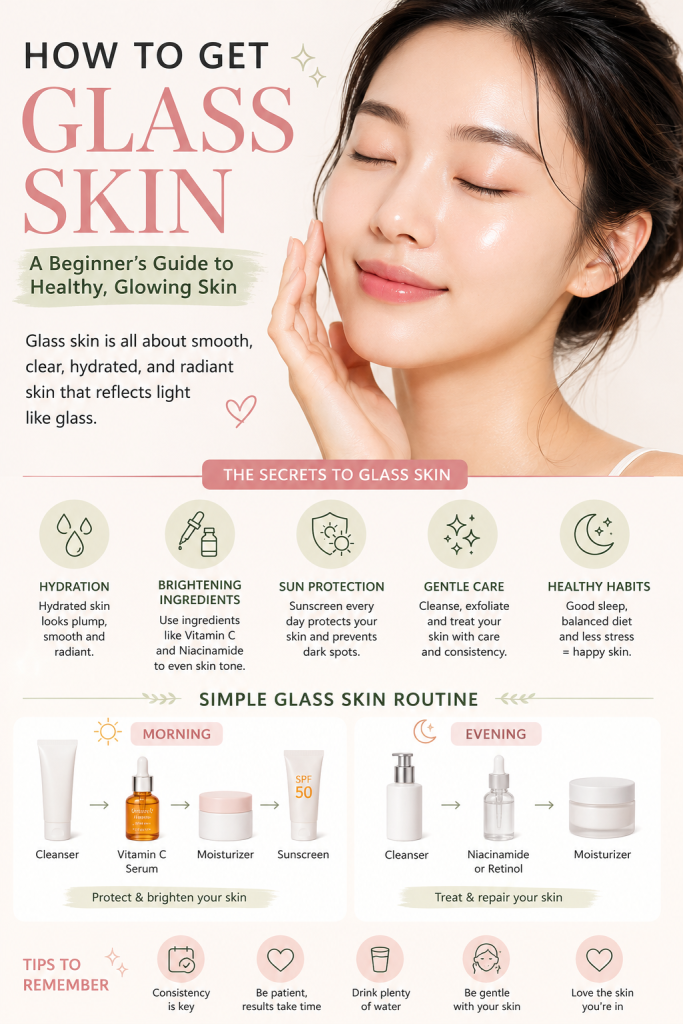
    If you’ve spent any time exploring Korean skincare, you’ve probably heard the term “glass skin.” This popular beauty trend refers to skin that looks smooth, clear, hydrated, and radiant, almost like a piece of glass.

    However, many people assume that achieving glass skin requires dozens of products and a complicated routine. Fortunately, that’s not true. While consistency is important, a simple skincare routine can help you work toward healthy, glowing skin over time.

    A Beginner’s Guide

    In this guide, you’ll learn how to get glass skin, the best ingredients to use, and the habits that can help your skin look brighter and healthier.

    What Is Glass Skin?

    Glass skin is a term used to describe skin that appears:

    • Smooth
    • Clear
    • Well-hydrated
    • Even-toned
    • Naturally radiant

    Unlike makeup trends, glass skin focuses on improving the actual condition of your skin. Therefore, the goal is not to create a temporary glow but to maintain healthy skin that naturally reflects light.

    As a result, achieving glass skin often involves improving hydration, protecting the skin barrier, and addressing concerns such as acne, dullness, and hyperpigmentation.

    Check out our article on the Hyperpigmentation Guide and learn how to have a healthier skin.

    Can Anyone Achieve Glass Skin?

    The good news is that anyone can work toward healthier, more radiant skin. However, it’s important to understand that glass skin does not mean having perfect skin.

    Instead, the goal is to keep your skin balanced, hydrated, and well cared for.

    Additionally, factors such as genetics, hormones, and skin type can influence your results. Nevertheless, following a consistent skincare routine can make a noticeable difference over time.

    Step 1: Start with a Gentle Cleanser

    The first step in any glass skin routine is cleansing.

    Throughout the day, dirt, oil, sweat, and environmental pollutants build up on the skin. Therefore, using a gentle cleanser helps remove impurities without stripping away moisture.

    For best results:

    • Cleanse morning and night
    • Avoid harsh scrubs
    • Choose a cleanser suitable for your skin type

    A healthy skin barrier starts with gentle cleansing.

    Step 2: Keep Your Skin Hydrated

    Hydration is one of the most important secrets behind glass skin.

    When skin is properly hydrated, it appears plumper, smoother, and more radiant. On the other hand, dehydrated skin often looks dull and rough.

    To improve hydration:

    • Drink enough water
    • Use a lightweight moisturizer
    • Consider hydrating serums
    • Avoid over-exfoliating

    Furthermore, ingredients such as hyaluronic acid can help attract moisture to the skin.

    Step 3: Use Brightening Ingredients

    If your goal is to achieve glass skin, brightening ingredients can help improve uneven skin tone and dullness.

    Vitamin C

    Vitamin C helps brighten the skin while supporting a healthy-looking complexion.

    Benefits include:

    • Improved radiance
    • More even skin tone
    • Antioxidant protection

    Check out our article on the Best Vitamin C Serums for Beginners to learn more about Vitamin C.

    Niacinamide

    Niacinamide is a beginner-friendly ingredient that supports the skin barrier while helping improve skin texture and tone.

    Benefits include:

    • Oil control
    • Reduced appearance of pores
    • Brighter-looking skin

    Read more about niacinamide on Best Niacinamide Serums for Oily Skin.

    Step 4: Protect Your Skin with Sunscreen

    No glass skin routine is complete without sunscreen.

    In fact, daily sunscreen use may be the most important step of all.

    Without sunscreen:

    • Hyperpigmentation can worsen
    • Skin may appear dull
    • Signs of aging may develop more quickly

    Therefore, applying sunscreen every morning is essential.

    Check out our article on the Best Korean Sunscreens for Oily Skin to discover which sunscreen suits your skin.

    Step 5: Exfoliate Carefully

    Exfoliation helps remove dead skin cells that can make skin appear dull.

    However, more is not always better.

    Instead of over-exfoliating, aim for a balanced approach.

    Benefits of proper exfoliation include:

    • Smoother skin texture
    • Improved product absorption
    • Brighter-looking skin

    Nevertheless, excessive exfoliation can damage the skin barrier and lead to irritation.

    Read our step-by-step guide on How to Repair a Damaged Skin Barrier and avoid irritation.

    Step 6: Consider Retinol

    Retinol is a popular ingredient that supports skin renewal.

    Over time, it may help:

    • Improve skin texture
    • Reduce the appearance of fine lines
    • Promote a smoother complexion

    However, beginners should introduce retinol slowly to avoid irritation.

    Check out our article on the  Retinol Beginner Guide to start your retinol journey.

    Step 7: Get Enough Sleep

    While skincare products are important, lifestyle habits also play a major role.

    During sleep, your skin naturally repairs itself. Therefore, getting adequate rest can support a healthier complexion.

    Additionally, poor sleep may contribute to:

    • Dull-looking skin
    • Increased stress
    • Slower skin recovery

    For this reason, quality sleep should be considered part of your glass skin routine.

    Step 8: Eat a Balanced Diet

    Your skin reflects what is happening inside your body.

    Although no food can instantly create glass skin, a balanced diet may support overall skin health.

    Try including:

    • Fruits
    • Vegetables
    • Healthy fats
    • Lean proteins

    Likewise, staying hydrated can help support healthy-looking skin.

    Common Glass Skin Mistakes to Avoid

    Even with a good routine, certain mistakes can slow your progress.

    Using Too Many Products

    Many people believe more products equal better results. However, this often leads to irritation.

    Skipping Sunscreen

    Without sunscreen, your skin is more vulnerable to sun damage and hyperpigmentation.

    Over-Exfoliating

    Too much exfoliation can weaken the skin barrier and increase sensitivity.

    Expecting Instant Results

    Glass skin is achieved through consistency rather than overnight transformations.

    Simple Glass Skin Routine for Beginners

    Morning Routine

    1. Gentle Cleanser
    2. Vitamin C Serum
    3. Moisturizer
    4. Sunscreen

    Evening Routine

    1. Cleanser
    2. Niacinamide or Retinol
    3. Moisturizer

    This simple routine is often enough to help beginners start working toward healthier, glowing skin.

    Conclusion

    Learning how to get glass skin doesn’t require an expensive or complicated skincare routine. Instead, focus on gentle cleansing, proper hydration, brightening ingredients, and daily sunscreen use.

    Most importantly, stay consistent. While results take time, healthy skincare habits can gradually help you achieve smoother, brighter, and more radiant-looking skin.

    Frequently Asked Questions (FAQs)

    What is glass skin?

    Glass skin is a term used to describe skin that appears smooth, clear, hydrated, and naturally radiant.

    How long does it take to get glass skin?

    Results vary from person to person. However, many people notice improvements after several weeks of consistent skincare.

    Can oily skin achieve glass skin?

    Yes. Oily skin can absolutely achieve glass skin. The key is balancing hydration without using heavy products.

    Which ingredients help create glass skin?

    Popular ingredients include vitamin C, niacinamide, hyaluronic acid, and retinol.

    Is sunscreen necessary for glass skin?

    Yes. Sunscreen protects the skin from sun damage and helps maintain an even, healthy-looking complexion.

    Can beginners achieve glass skin?

    Absolutely. A simple routine that includes cleansing, moisturizing, and sunscreen is a great place to start.

    Do I need Korean skincare products for glass skin?

    Not necessarily. While the glass skin trend originated in Korean skincare, any quality products that support hydration and skin health can help you achieve similar results.

  • Hyperpigmentation Guide

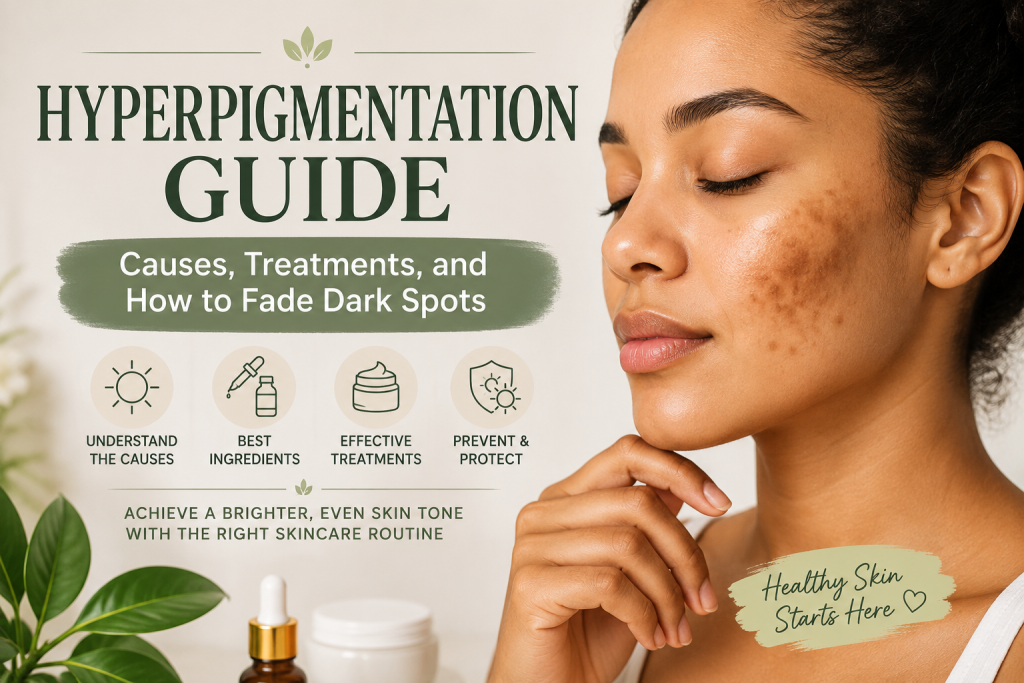
    Looking for a complete hyperpigmentation guide? Learn what causes dark spots, the best ingredients for hyperpigmentation, and how to achieve a more even skin tone with a simple skincare routine.

    Hyperpigmentation Guide

    Have you ever noticed dark spots that seem to stay on your skin long after a breakout has healed? If so, you may be dealing with hyperpigmentation. Although hyperpigmentation is extremely common, it can be frustrating because it often takes time to fade.

    Causes, Treatments, and How to Fade Dark Spots

    Fortunately, with the right skincare routine and ingredients, you can improve the appearance of dark spots and achieve a more even skin tone. However, it is important to understand what causes hyperpigmentation before choosing a treatment.

    In this hyperpigmentation guide, you’ll learn what hyperpigmentation is, what causes it, the best ingredients for treating it, and how to prevent it from coming back.

    What Is Hyperpigmentation?

    Hyperpigmentation is a skin condition that causes certain areas of the skin to become darker than the surrounding skin. This happens when the skin produces too much melanin, the pigment responsible for skin color.

    As a result, dark patches or spots may develop on the face or body. While hyperpigmentation is generally harmless, many people look for ways to fade these marks and restore a more even complexion.

    Hyperpigmentation can appear as:

    • Acne marks
    • Dark spots
    • Sun spots
    • Age spots
    • Melasma
    • Uneven skin tone

    Although anyone can develop hyperpigmentation, some people are more prone to it than others.

    What Causes Hyperpigmentation?

    Understanding the cause of hyperpigmentation is essential because different causes may require different treatment approaches.

    1. Sun Exposure

    One of the most common causes of hyperpigmentation is sun exposure. When your skin is exposed to ultraviolet (UV) rays, it produces more melanin to protect itself.

    Consequently, existing dark spots may become darker, and new spots may appear over time.

    This is why daily sunscreen use is one of the most important steps in preventing hyperpigmentation.

    Related Reading: Best Sunscreens for Oily Skin

    2. Acne and Breakouts

    Acne often leaves behind dark marks after the blemish has healed. This is known as post-inflammatory hyperpigmentation (PIH).

    Furthermore, picking or squeezing pimples can make the discoloration worse and prolong healing.

    Related Reading: Acne Routine for Beginners

    3. Hormonal Changes

    Hormonal fluctuations can trigger melasma, a common type of hyperpigmentation. This condition often appears as larger patches of discoloration on the cheeks, forehead, or upper lip.

    4. Skin Irritation

    Overusing strong skincare products can weaken the skin barrier. As a result, irritation may lead to inflammation and increased pigmentation.

    Related Reading: How to Repair a Damaged Skin Barrier

    Types of Hyperpigmentation

    Although all forms of hyperpigmentation involve excess pigment, they do not all have the same cause.

    Post-Inflammatory Hyperpigmentation (PIH)

    PIH develops after inflammation caused by acne, eczema, burns, or other skin injuries.

    Sun-Induced Hyperpigmentation

    This type develops after years of sun exposure and is commonly known as age spots or sun spots.

    Melasma

    Melasma is usually linked to hormonal changes and often appears in larger patches rather than individual spots.

    Best Ingredients for Hyperpigmentation

    Fortunately, several skincare ingredients can help improve the appearance of dark spots.

    Vitamin C

    Vitamin C is one of the most popular ingredients for hyperpigmentation because it helps brighten the skin and promote a more even complexion.

    Benefits include:

    • Brightening dull skin
    • Improving uneven skin tone
    • Supporting antioxidant protection

    Check out our article on the  Best Vitamin C Serums for Beginners to learn more.

    Niacinamide

    Niacinamide is another beginner-friendly ingredient that may help reduce the appearance of discoloration.

    Additionally, it supports the skin barrier and helps regulate oil production.

    Check out our article on the Best Niacinamide Serums for Oily Skin to learn which one suits your skin best.

    Retinol

    Retinol encourages skin cell turnover. Therefore, it can help fade dark spots over time while improving skin texture.

    Read our Retinol Beginner Guide to learn and discover more about Retinol, its importance and how to use it correctly.

    Alpha Arbutin

    Alpha arbutin is a popular brightening ingredient often used in hyperpigmentation routines.

    Azelaic Acid

    Azelaic acid can be particularly beneficial for acne-prone skin because it addresses both breakouts and post-acne marks.

    How to Build a Hyperpigmentation Skincare Routine

    When treating hyperpigmentation, consistency matters more than using numerous products.

    Morning Routine

    1. Gentle Cleanser
    2. Vitamin C Serum
    3. Moisturizer
    4. Sunscreen SPF 30 or higher

    Most importantly, never skip sunscreen. Otherwise, dark spots may become darker.

    Evening Routine

    1. Cleanser
    2. Niacinamide or Retinol
    3. Moisturizer

    If you are new to active ingredients, start slowly and introduce only one product at a time. Our article on Beginner Skincare Routine will help you if you are just starting the journey.

    Why Sunscreen Is Essential for Hyperpigmentation

    Many people spend money on serums and treatments but forget the most important step: sunscreen.

    Without sunscreen:

    • Existing dark spots may worsen
    • New spots can develop
    • Treatment results may be delayed

    Therefore, applying sunscreen every day is one of the best things you can do for hyperpigmentation.

    Check out our  Best Korean Sunscreens for Oily Skin guide to learn more .

    Common Hyperpigmentation Mistakes

    Skipping Sunscreen

    This is the biggest mistake people make when treating dark spots.

    Using Too Many Active Ingredients

    While active ingredients can be helpful, using too many at once can irritate the skin.

    Picking Acne

    Picking blemishes increases inflammation and often leads to post-inflammatory hyperpigmentation.

    Expecting Overnight Results

    Hyperpigmentation does not disappear overnight. Instead, improvement happens gradually with consistent skincare.

    How Long Does Hyperpigmentation Take to Fade?

    The timeline depends on several factors, including:

    • Skin type
    • Severity of discoloration
    • Cause of hyperpigmentation
    • Consistency of treatment

    Generally, mild dark spots may begin improving within a few months. However, deeper pigmentation can take longer to fade.

    Therefore, patience is essential when treating hyperpigmentation.

    Conclusion

    Hyperpigmentation is a common skin concern, but it can often be improved with the right approach. By using ingredients such as vitamin C, niacinamide, and retinol while protecting your skin with sunscreen, you can gradually achieve a brighter and more even complexion.

    Above all, remember that consistency is key. Rather than searching for quick fixes, focus on building a simple routine that supports your skin every day.

    Frequently Asked Questions (FAQs)

    What is the fastest way to fade hyperpigmentation?

    While there is no instant solution, ingredients such as vitamin C, niacinamide, retinol, and alpha arbutin may help improve dark spots over time when used consistently.

    Can hyperpigmentation go away naturally?

    In some cases, mild hyperpigmentation may fade naturally. However, skincare treatments and sunscreen often help speed up the process.

    Does sunscreen help hyperpigmentation?

    Yes. Sunscreen is one of the most important products for preventing existing dark spots from becoming darker.

    Which ingredient is best for hyperpigmentation?

    Vitamin C, niacinamide, retinol, alpha arbutin, and azelaic acid are among the most popular ingredients used for hyperpigmentation.

    Can acne cause hyperpigmentation?

    Yes. Acne is one of the leading causes of post-inflammatory hyperpigmentation, especially when blemishes are picked or squeezed.

    How long does it take for dark spots to fade?

    Most people notice gradual improvement within several weeks to months, depending on the severity of the pigmentation and their skincare routine.

    Can beginners treat hyperpigmentation?

    Absolutely. Beginners can start with a gentle routine that includes sunscreen, vitamin C, or niacinamide and gradually introduce stronger treatments if needed.

  • Best Korean Sunscreens for Oily Skin

    Looking for the best Korean sunscreen for oily skin? Discover lightweight, non-greasy Korean sunscreens that provide broad-spectrum protection without leaving a white cast.

    7 Lightweight SPF Picks for Shine-Free Protection

    Finding the best Korean sunscreen for oily skin can be challenging. While sunscreen is an essential part of every skincare routine, many formulas can feel greasy, heavy, or uncomfortable throughout the day.

    Fortunately, Korean skincare brands have become known for creating lightweight sunscreens that provide excellent sun protection while remaining comfortable on oily and combination skin.

    Whether you’re dealing with excess shine, enlarged pores, or acne-prone skin, the right sunscreen can help protect your skin without making it feel greasy.

    In this guide, we’ll explore some of the best Korean sunscreens for oily skin, what to look for when choosing an SPF, and how to incorporate sunscreen into your daily skincare routine.

    Why Oily Skin Still Needs Sunscreen

    Many people with oily skin avoid sunscreen because they worry it will make their skin feel heavier or increase shine. However, skipping sunscreen can lead to several skin concerns over time.

    Daily sunscreen helps protect against:

    • Sun damage
    • Premature aging
    • Hyperpigmentation
    • Uneven skin tone
    • Skin barrier damage

    Therefore, choosing a lightweight sunscreen specifically designed for oily skin can make a significant difference.

    If you’re new to skincare, check out our Beginner Skincare Routine guide to learn how sunscreen fits into a daily routine.

    How We Chose These Korean Sunscreens

    To create this list, we focused on several important factors.

    Lightweight Texture

    Heavy formulas often feel uncomfortable on oily skin. Therefore, we prioritized lightweight sunscreens.

    Broad-Spectrum Protection

    Every sunscreen on this list offers high SPF protection suitable for daily use.

    Comfortable Finish

    We looked for formulas that absorb well without leaving excessive shine.

    Popular Korean Skincare Favorites

    These sunscreens are widely recognized among Korean skincare enthusiasts and beginners alike.

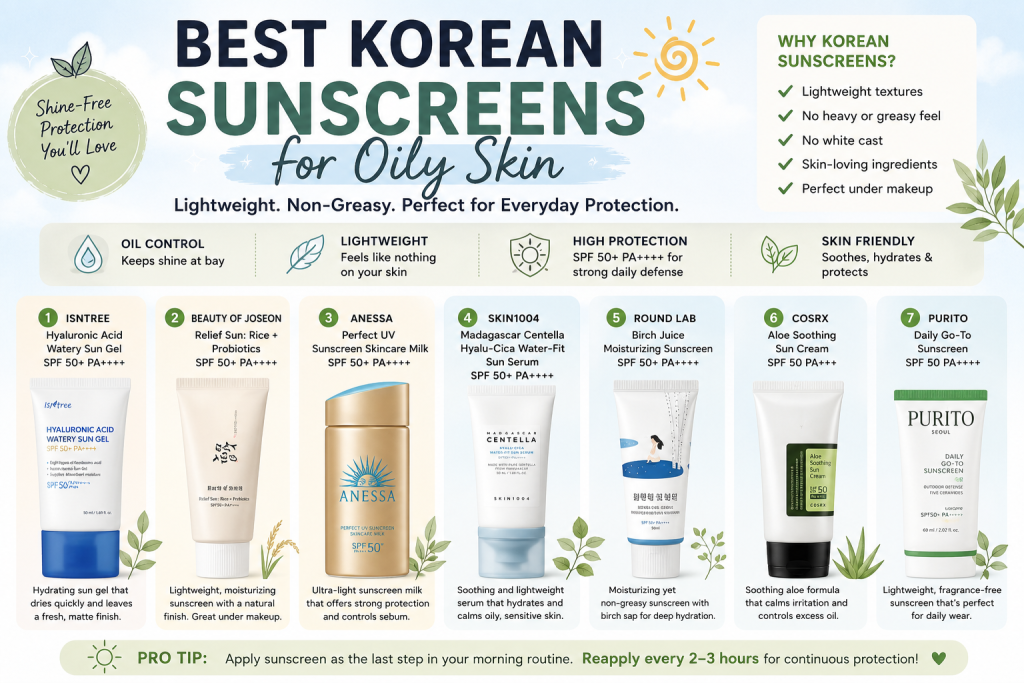
    Best Korean Sunscreens for Oily Skin

    1. Isntree Hyaluronic Acid Watery Sun Gel SPF 50+ PA++++

    Best Overall Korean Sunscreen for Oily Skin

    The Isntree Hyaluronic Acid Watery Sun Gel is one of the most popular Korean sunscreens for good reason. Despite containing hydrating ingredients, it feels lightweight and comfortable on the skin.

    Why We Like It

    • Lightweight gel texture
    • Hydrating without feeling greasy
    • Absorbs quickly
    • Suitable for daily use

    Best For

    Oily, combination, and dehydrated skin types.

    2. Beauty of Joseon Relief Sun: Rice + Probiotics SPF 50+ PA++++

    Best for Everyday Wear

    Beauty of Joseon has become a favorite among sunscreen enthusiasts thanks to its elegant texture and comfortable finish.

    Why We Like It

    • Lightweight cream texture
    • No noticeable white cast
    • Layers well under makeup
    • Comfortable for daily use

    Best For

    Those looking for an easy-to-wear sunscreen.

    3. Anessa Perfect UV Sunscreen Skincare Milk SPF 50+ PA++++

    Best for Outdoor Activities

    Anessa is known for its durable sunscreen formulas designed to provide long-lasting protection.

    Why We Like It

    • Lightweight milk texture
    • High sun protection
    • Suitable for outdoor use
    • Long-wearing formula

    Best For

    Active lifestyles and extended sun exposure.

    4. Skin1004 Madagascar Centella Hyalu-Cica Water-Fit Sun Serum SPF 50+ PA++++

    Best for Sensitive Oily Skin

    This sunscreen combines sun protection with soothing skincare ingredients.

    Why We Like It

    • Lightweight serum texture
    • Contains centella asiatica
    • Comfortable daily wear
    • Fast-absorbing

    Best For

    Sensitive and acne-prone skin.

    5. Round Lab Birch Juice Moisturizing Sunscreen SPF 50+ PA++++

    Best Hydrating Formula

    Round Lab’s sunscreen delivers hydration while maintaining a lightweight feel.

    Why We Like It

    • Moisturizing without feeling heavy
    • Comfortable finish
    • Easy to reapply
    • Suitable for everyday use

    Best For

    Oily skin that also experiences dehydration.

    6. COSRX Aloe Soothing Sun Cream SPF 50 PA+++

    Best Soothing Sunscreen

    COSRX combines sun protection with aloe vera to create a sunscreen that feels comfortable and calming.

    Why We Like It

    • Soothing ingredients
    • Easy to apply
    • Beginner-friendly
    • Comfortable daily wear

    Best For

    Those seeking a gentle sunscreen option.

    7. Purito Daily Go-To Sunscreen SPF 50 PA++++

    Best for Beginners

    Purito’s Daily Go-To Sunscreen offers a simple, beginner-friendly formula suitable for daily use.

    Why We Like It

    • Lightweight texture
    • No heavy residue
    • Easy to incorporate into routines
    • Comfortable under makeup

    Best For

    People new to sunscreen and Korean skincare.

    What Makes a Good Sunscreen for Oily Skin?

    When shopping for sunscreen, oily skin types should look for formulas that provide protection without adding unnecessary heaviness.

    Lightweight Textures

    Gel, serum, and milk formulations are often excellent choices.

    Non-Greasy Finish

    A sunscreen should feel comfortable throughout the day.

    Broad-Spectrum Protection

    Look for SPF 30 or higher with broad-spectrum protection.

    Easy Layering

    The best sunscreens work well with moisturizers, serums, and makeup.

    How to Apply Sunscreen Correctly

    Even the best Korean sunscreen won’t provide adequate protection if it’s not applied correctly.

    Step 1: Complete Your Skincare Routine

    Apply cleanser, serum, and moisturizer first.

    Step 2: Apply Sunscreen Last

    Sunscreen should be the final skincare step in your morning routine.

    Step 3: Use Enough Product

    Many people don’t apply enough sunscreen. Adequate coverage is essential for proper protection.

    Step 4: Reapply When Necessary

    If you’re spending extended time outdoors, reapplication may be necessary.

    For more guidance, visit our article on Morning vs Night Skincare Routine.

    Can You Use Korean Sunscreens with Active Ingredients?

    Yes. Korean sunscreens often work well alongside active skincare ingredients.

    Sunscreen and Retinol

    If you’re using retinol, daily sunscreen becomes even more important.

    Learn more in our Retinol Beginner Guide.

    Sunscreen and Niacinamide

    Niacinamide and sunscreen are commonly used together in skincare routines.

    For recommendations, see our Best Niacinamide Serums for Oily Skin article.

    Sunscreen and Vitamin C

    Vitamin C and sunscreen make an excellent morning skincare combination.

    Check out our guide to the Best Vitamin C Serums for Beginners for suitable options.

    Common Sunscreen Mistakes to Avoid

    Skipping Sunscreen on Cloudy Days

    UV rays can still reach your skin even when it’s cloudy.

    Applying Too Little Product

    Insufficient sunscreen reduces protection.

    Forgetting Reapplication

    Protection decreases over time, especially during outdoor activities.

    Choosing the Wrong Formula

    Oily skin benefits from lightweight, non-greasy sunscreens.

    Conclusion

    The best Korean sunscreens for oily skin combine effective sun protection with lightweight, comfortable textures. Whether you prefer a gel, serum, cream, or milk formula, there are plenty of excellent options available.

    Products like Isntree Hyaluronic Acid Watery Sun Gel, Beauty of Joseon Relief Sun, and Skin1004 Hyalu-Cica Water-Fit Sun Serum have become favorites because they offer high SPF protection without leaving the skin feeling heavy or greasy.

    Most importantly, remember that consistency matters. Daily sunscreen use is one of the most effective ways to support healthy, protected skin over time.

    Frequently Asked Questions

    What is the best Korean sunscreen for oily skin?

    Many people consider Isntree Hyaluronic Acid Watery Sun Gel and Beauty of Joseon Relief Sun among the best Korean sunscreens for oily skin due to their lightweight textures and comfortable finishes.

    Are Korean sunscreens good for oily skin?

    Yes. Many Korean sunscreens are designed with lightweight formulations that work well for oily and combination skin types.

    Do Korean sunscreens leave a white cast?

    Many modern Korean sunscreens are formulated to minimize or avoid white cast, making them suitable for a variety of skin tones.

    Can oily skin skip sunscreen?

    No. Regardless of skin type, sunscreen is essential for protecting against UV damage and premature aging.

    Which Korean sunscreen is best for sensitive skin?

    Skin1004 Madagascar Centella Hyalu-Cica Water-Fit Sun Serum and Purito Daily Go-To Sunscreen are often recommended for sensitive skin.

    Can I wear Korean sunscreen under makeup?

    Yes. Many Korean sunscreens are specifically designed to layer comfortably under makeup.

    Should I use sunscreen every day?

    Yes. Daily sunscreen use is recommended, even on cloudy days.

    Can I use sunscreen with retinol and vitamin C?

    Absolutely. In fact, sunscreen is especially important when using active ingredients such as retinol and vitamin C.

  • Skincare Ingredients You Should Never Mix

    Discover which skincare ingredients should be avoided when used together. Discover common ingredient combinations to avoid, how to layer skincare products safely, and how to build an effective skincare routine.

    A Beginner-Friendly Guide

    Building a skincare routine can be exciting, especially when you start learning about popular ingredients like retinol, vitamin C, niacinamide, and salicylic acid. However, combining the wrong skincare ingredients can sometimes lead to irritation, dryness, redness, and a damaged skin barrier.

    Fortunately, understanding which skincare ingredients should not be mixed can help you avoid common mistakes and build a safer, more effective routine.

    In this guide, you’ll learn about skincare ingredient combinations to avoid, why some ingredients don’t work well together, and how to use active ingredients correctly.

    Why Some Skincare Ingredients Shouldn’t Be Mixed

    Not all skincare ingredients are incompatible. In fact, many ingredients work beautifully together. However, certain combinations can increase the risk of irritation, especially for beginners.

    When too many active ingredients are used at the same time, the skin barrier may become overwhelmed. As a result, you may experience:

    • Redness
    • Dryness
    • Peeling
    • Sensitivity
    • Burning or stinging
    • Increased breakouts

    Therefore, understanding ingredient compatibility is an important part of building a healthy skincare routine.

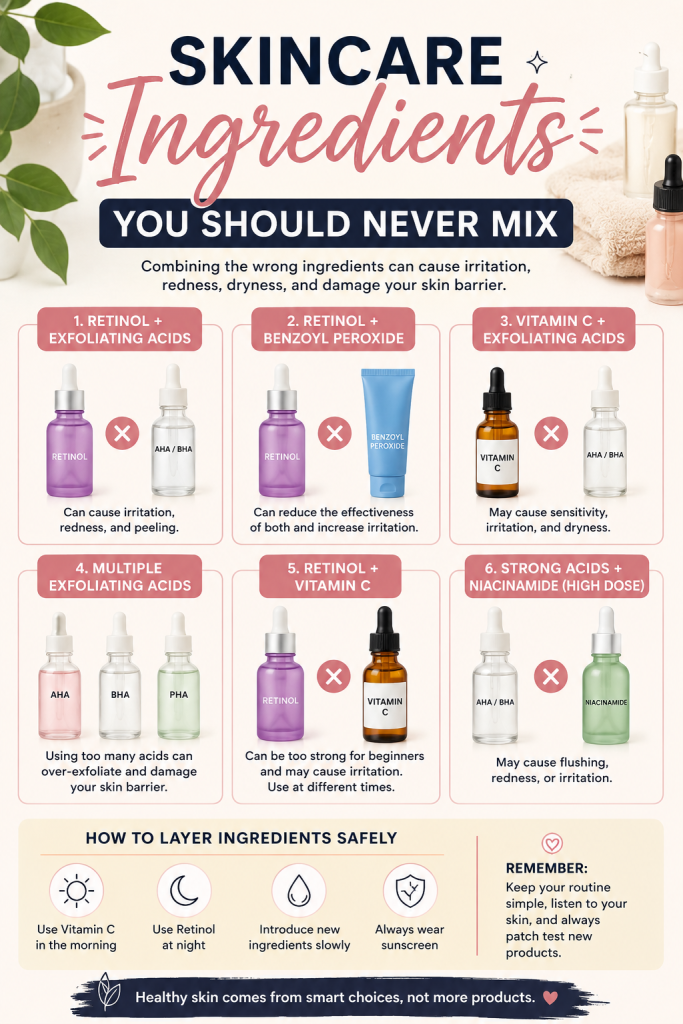
    Retinol and Exfoliating Acids

    Why This Combination Can Be Problematic

    Retinol is a powerful skincare ingredient that supports skin renewal and improves skin texture. At the same time, exfoliating acids remove dead skin cells from the skin’s surface.

    Common exfoliating acids include:

    • Glycolic acid
    • Lactic acid
    • Mandelic acid
    • Salicylic acid

    Because both ingredients encourage skin turnover, using them together can significantly increase irritation.

    What Can Happen?

    • Dryness
    • Redness
    • Flaking
    • Skin barrier damage

    Better Approach

    Instead of applying both products during the same routine, alternate them on different nights.

    If you’re new to retinol, check out our Retinol Beginner Guide for tips on introducing it safely.

    Retinol and Benzoyl Peroxide

    Why You Should Be Careful

    Benzoyl peroxide is a popular acne-fighting ingredient. While effective, it can be drying on its own.

    When combined with retinol, irritation may become more likely, particularly for sensitive skin.

    Better Approach

    Many people choose to use benzoyl peroxide in the morning and retinol at night, or alternate them on separate days.

    If you’re dealing with breakouts, our Acne Routine for Beginners provides a simple approach to acne-prone skin.

    Multiple Exfoliating Acids

    More Isn’t Always Better

    Many beginners assume that using several exfoliating acids at once will produce faster results. However, combining multiple acids often increases the risk of irritation.

    Examples include:

    • Glycolic acid + salicylic acid
    • Lactic acid + glycolic acid
    • Salicylic acid + mandelic acid

    Possible Side Effects

    • Skin sensitivity
    • Redness
    • Tightness
    • Damaged skin barrier

    Instead, choose one exfoliating acid and use it consistently.

    Vitamin C and Strong Exfoliating Acids

    Why This Combination May Irritate Sensitive Skin

    Vitamin C is a popular antioxidant known for brightening the skin and supporting a healthy-looking complexion.

    However, combining vitamin C with strong exfoliating acids can sometimes increase sensitivity, especially for beginners.

    Better Approach

    Many skincare enthusiasts use:

    • Vitamin C in the morning
    • Exfoliating acids at night

    This approach helps reduce the risk of irritation while allowing each ingredient to perform effectively.

    For beginner-friendly recommendations, see our guide to the Best Vitamin C Serums for Beginners.

    Retinol and Vitamin C

    Can You Use Them Together?

    Technically, yes. However, beginners may find the combination too irritating if applied during the same routine.

    Both ingredients are highly active and can sometimes cause dryness when introduced too quickly.

    Better Approach

    A common recommendation is:

    Morning:

    • Vitamin C
    • Moisturizer
    • Sunscreen

    Night:

    • Retinol
    • Moisturizer

    This simple routine allows both ingredients to work without overwhelming the skin.

    Retinol and Salicylic Acid

    Proceed with Caution

    Retinol and salicylic acid are both commonly used in acne skincare routines.

    However, using them together may increase:

    • Dryness
    • Peeling
    • Irritation

    Better Approach

    Alternate usage or introduce one ingredient at a time.

    This is particularly important if you’re new to active ingredients.

    Niacinamide and Vitamin C: The Myth Explained

    Do They Really Conflict?

    For years, people believed that niacinamide and vitamin C should never be used together.

    Fortunately, modern research and improved formulations have shown that most people can safely use both ingredients in the same routine.

    Benefits of Using Them Together

    • Brightening support
    • Skin barrier support
    • Improved hydration
    • Antioxidant protection

    Therefore, this combination is generally considered safe for most skin types.

    You can learn more about niacinamide in our guide to the Best Niacinamide Serums for Oily Skin.

    Signs You’re Using Too Many Active Ingredients

    Sometimes the issue isn’t one specific combination. Instead, it’s simply using too many active ingredients at once.

    Watch for signs such as:

    • Burning
    • Stinging
    • Excessive dryness
    • Flaking
    • Increased sensitivity
    • Persistent redness

    If these symptoms occur, simplifying your skincare routine can help your skin recover.

    Our guide on How to Repair a Damaged Skin Barrier explains how to restore balance when irritation occurs.

    How to Layer Skincare Ingredients Safely

    Fortunately, building a safe skincare routine doesn’t have to be complicated.

    Morning Routine Example

    1. Gentle Cleanser
    2. Vitamin C Serum
    3. Moisturizer
    4. Sunscreen

    Evening Routine Example

    1. Cleanser
    2. Retinol OR Exfoliating Acid
    3. Moisturizer

    Notice that only one major active ingredient is used at a time.

    This approach is often ideal for beginners.

    Tips for Introducing New Ingredients

    Start Slowly

    Introduce one active ingredient at a time.

    Patch Test New Products

    Testing products before full application can help identify irritation.

    Give Products Time

    Allow several weeks before evaluating results.

    Prioritize Skin Barrier Health

    A healthy skin barrier helps improve the effectiveness of your skincare routine.

    Conclusion

    Learning which skincare ingredients should never be mixed can save you from unnecessary irritation and frustration. While many ingredients work well together, some combinations may be too harsh, especially for beginners.

    The key is to introduce active ingredients gradually, avoid overloading your skin, and maintain a simple routine focused on consistency rather than complexity.

    Remember, healthy skin is built over time, and a balanced routine often delivers better results than using every trending ingredient at once.

    Frequently Asked Questions

    What skincare ingredients should never be mixed?

    Common combinations that may increase irritation include retinol and exfoliating acids, retinol and benzoyl peroxide, and multiple exfoliating acids used together.

    Can I use vitamin C and retinol together?

    Many people prefer using vitamin C in the morning and retinol at night to reduce the risk of irritation.

    Can I use niacinamide with vitamin C?

    Yes. Most modern skincare formulations allow these ingredients to be used together safely.

    Can I use salicylic acid and retinol together?

    While some experienced users do, beginners may experience irritation. Alternating usage is often recommended.

    What happens if I use too many active ingredients?

    You may experience dryness, redness, peeling, sensitivity, and skin barrier damage.

    How do I know if my skincare routine is too strong?

    Signs include burning, stinging, excessive dryness, and persistent irritation.

    Should beginners use multiple active ingredients?

    It’s usually best to start with one active ingredient and gradually introduce additional products as needed.

    What should I do if my skin becomes irritated?

    Simplify your routine, focus on hydration, and consider reading our guide on repairing a damaged skin barrier.

  • How to Repair a Damaged Skin Barrier

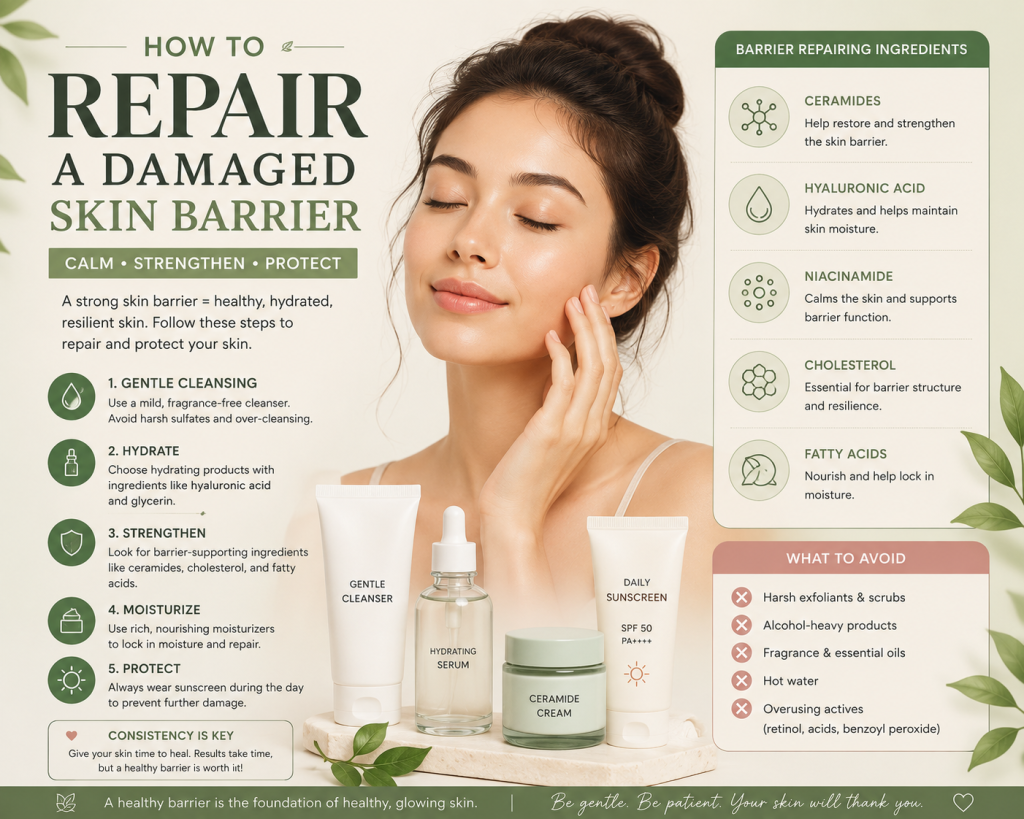
    Learn how to repair a damaged skin barrier with simple skincare steps, barrier-supporting ingredients, and expert tips to restore healthy, hydrated skin.

    If your skin suddenly feels dry, irritated, tight, or unusually sensitive, you may be dealing with a damaged skin barrier. Fortunately, with the right skincare routine and a little patience, it is possible to repair a damaged skin barrier and restore your skin’s natural balance.

    A Beginner’s Guide to Healthy, Resilient Skin

    Many people unknowingly damage their skin barrier by over-exfoliating, using too many active ingredients, or following overly complicated skincare routines. As a result, the skin becomes less effective at retaining moisture and protecting itself from environmental stressors.

    In this guide, you’ll learn what a damaged skin barrier is, how to recognize the signs, and the best ways to repair your skin barrier for healthier, more resilient skin.

    What Is the Skin Barrier?

    The skin barrier, also known as the moisture barrier, is the outermost layer of your skin. It acts as a protective shield that helps keep moisture in while keeping irritants, bacteria, and environmental pollutants out.

    When your skin barrier is healthy, your skin tends to feel smooth, comfortable, and hydrated. However, when it becomes damaged, a variety of skin concerns can appear.

    Therefore, maintaining a healthy skin barrier is one of the most important aspects of any skincare routine.

    Signs of a Damaged Skin Barrier

    Before learning how to repair a damaged skin barrier, it’s important to recognize the symptoms.

    Common signs include:

    • Dry, flaky skin
    • Increased sensitivity
    • Redness and irritation
    • Tightness after cleansing
    • Burning or stinging when applying products
    • Rough skin texture
    • Unexpected breakouts
    • Dehydrated-looking skin

    If several of these symptoms sound familiar, your skin barrier may need some extra support.

    What Causes a Damaged Skin Barrier?

    Several factors can weaken your skin’s protective barrier.

    Over-Exfoliation

    One of the most common causes is using exfoliating products too frequently. While exfoliation can be beneficial, excessive use may strip away the skin’s natural protective layer.

    Too Many Active Ingredients

    Many beginners introduce multiple treatment products at once. For example, combining retinol, salicylic acid, and exfoliating acids without proper guidance can overwhelm the skin.

    If you’re new to active ingredients, check out our Retinol Beginner Guide to learn how to introduce treatments safely.

    Harsh Cleansers

    Strong cleansers can remove essential oils that help maintain the skin barrier.

    Environmental Factors

    Cold weather, low humidity, excessive sun exposure, and pollution can all contribute to skin barrier damage.

    Skipping Sunscreen

    Daily sun exposure can weaken the skin barrier over time. Therefore, sunscreen remains one of the most important skincare products for long-term skin health.

    For lightweight options, see our guide to the Best Sunscreens for Oily Skin.

    How to Repair a Damaged Skin Barrier

    The good news is that repairing a damaged skin barrier doesn’t require a complicated routine. In fact, simplifying your skincare routine is often the best place to start.

    1. Simplify Your Skincare Routine

    First and foremost, reduce the number of products you’re using.

    Instead of applying multiple treatments, focus on the basics:

    • Gentle cleanser
    • Moisturizer
    • Sunscreen

    This approach gives your skin time to recover without additional stress.

    2. Stop Overusing Active Ingredients

    If your skin feels irritated, consider taking a temporary break from:

    • Retinol
    • Exfoliating acids
    • Strong acne treatments
    • High-strength vitamin C products

    Once your skin barrier improves, you can gradually reintroduce these ingredients.

    3. Focus on Hydration

    Hydration plays a major role in skin barrier repair.

    Look for products containing:

    • Hyaluronic acid
    • Glycerin
    • Panthenol
    • Aloe vera

    These ingredients help attract and retain moisture, allowing the skin to recover more effectively.

    4. Use Barrier-Supporting Ingredients

    Certain skincare ingredients are particularly beneficial for repairing a damaged skin barrier.

    Ceramides

    Ceramides help strengthen the skin’s natural protective layer and reduce moisture loss.

    Niacinamide

    Niacinamide is known for supporting the skin barrier while helping improve oil balance.

    If you’re interested in adding this ingredient to your routine, explore our guide to the Best Niacinamide Serums for Oily Skin.

    Fatty Acids

    Fatty acids help nourish and reinforce the skin barrier.

    Cholesterol

    Many barrier-repair moisturizers contain cholesterol to support skin recovery.

    5. Choose a Gentle Cleanser

    A gentle cleanser can make a significant difference during the healing process.

    Avoid:

    • Strong foaming cleansers
    • Harsh scrubs
    • Cleansers containing high levels of alcohol

    Instead, choose a cleanser that cleans the skin without leaving it feeling tight or dry.

    6. Moisturize Consistently

    Applying moisturizer regularly helps support the skin barrier while reducing water loss.

    For best results:

    • Moisturize after cleansing
    • Apply moisturizer morning and night
    • Choose products suited to your skin type

    Consistency is key when repairing barrier damage.

    7. Wear Sunscreen Every Day

    Sunscreen protects your recovering skin from additional damage caused by UV exposure.

    Look for:

    • Broad-spectrum protection
    • SPF 30 or higher
    • Lightweight formulas if you have oily skin

    Even if you’re indoors most of the day, daily sunscreen remains an important step.

    A Simple Skin Barrier Repair Routine

    If you’re unsure where to start, try this beginner-friendly routine.

    Morning Routine

    1. Gentle Cleanser
    2. Hydrating Moisturizer
    3. Sunscreen SPF 30+

    Evening Routine

    1. Gentle Cleanser
    2. Barrier Repair Moisturizer

    While it may feel overly simple, minimizing irritation is often the fastest way to repair a damaged skin barrier.

    How Long Does It Take to Repair a Damaged Skin Barrier?

    Recovery time varies depending on the severity of the damage.

    Generally:

    • Mild barrier damage may improve within a few days to two weeks.
    • Moderate damage may take several weeks.
    • Severe damage may require several months of consistent care.

    Therefore, patience is essential. Avoid introducing new products too quickly during the healing process.

    Common Mistakes to Avoid

    Continuing Irritating Products

    Many people continue using products that contributed to the problem in the first place.

    Over-Cleansing

    Washing your face too frequently can further weaken the skin barrier.

    Skipping Moisturizer

    Even oily skin benefits from proper hydration.

    Chasing Quick Fixes

    Skin barrier repair takes time and consistency.

    How to Prevent Future Skin Barrier Damage

    Once your skin has recovered, it’s important to maintain healthy habits.

    Introduce New Products Slowly

    Add one new product at a time and monitor how your skin responds.

    Follow a Consistent Routine

    A simple skincare routine often delivers better long-term results than a complicated one.

    Use Active Ingredients Responsibly

    Whether you’re using retinol, vitamin C, or acne treatments, moderation is key.

    Prioritize Daily Sunscreen

    Sun protection remains one of the best investments you can make in your skin’s health.

    Conclusion

    Learning how to repair a damaged skin barrier is often less about adding more products and more about simplifying your routine. By focusing on gentle cleansing, hydration, barrier-supporting ingredients, and daily sunscreen, you can help your skin recover and become more resilient over time.

    Most importantly, be patient. Healthy skin is built through consistency, and giving your skin time to heal is one of the best things you can do.

    Frequently Asked Questions

    What are the signs of a damaged skin barrier?

    Common signs include dryness, redness, irritation, tightness, flaking, sensitivity, and unexpected breakouts.

    How long does it take to repair a damaged skin barrier?

    Mild damage may improve within one to two weeks, while more severe cases can take several weeks or months.

    Can niacinamide help repair the skin barrier?

    Yes. Niacinamide is often used to support skin barrier function and improve overall skin health.

    Should I stop using retinol if my skin barrier is damaged?

    In many cases, temporarily pausing retinol can help reduce irritation while your skin recovers.

    Can oily skin have a damaged skin barrier?

    Absolutely. Even oily skin can experience dehydration, irritation, and barrier damage.

    What ingredients help repair the skin barrier?

    Ceramides, niacinamide, hyaluronic acid, glycerin, fatty acids, and cholesterol are commonly used to support barrier repair.

    Should I exfoliate while repairing my skin barrier?

    It’s generally best to minimize or pause exfoliation until your skin barrier has recovered.

    Is sunscreen important when repairing a damaged skin barrier?

    Yes. Daily sunscreen helps protect your skin from additional environmental damage while it heals.

  • Best Vitamin C Serums for Beginners

    Looking for the best vitamin C serum for beginners? Discover beginner-friendly vitamin C serums that help brighten skin, improve uneven tone, and support a glowing complexion.

    13 Top Picks for Brighter, Healthier-Looking Skin

    If you’re building your first skincare routine, you’ve probably heard about vitamin C. In fact, vitamin C is one of the most popular skincare ingredients thanks to its brightening benefits and ability to support healthy-looking skin.

    However, with so many products available, choosing the best vitamin C serum for beginners can feel overwhelming. Some formulas are highly concentrated, while others are designed specifically for sensitive or first-time users.

    Beginner Guide

    Fortunately, beginners don’t need the strongest vitamin C serum to see benefits. Instead, starting with a well-formulated product and using it consistently can help you achieve a brighter and more even-looking complexion over time.

    In this guide, we’ll explore some of the best vitamin C serums for beginners, explain how vitamin C works, and help you choose the right serum for your skin type.

    What Is Vitamin C and Why Is It Important?

    Vitamin C is a powerful antioxidant commonly used in skincare products.

    It helps:

    • Brighten dull-looking skin
    • Improve the appearance of uneven skin tone
    • Support collagen production
    • Protect against environmental stressors
    • Promote a healthy-looking glow

    Additionally, vitamin C works exceptionally well when paired with sunscreen.

    If you’re looking for SPF recommendations, check out our guide to the Best Sunscreens for Oily Skin.

    How We Chose These Vitamin C Serums

    To create this list, we considered several important factors:

    Beginner-Friendly Formulations

    Products that are suitable for people new to vitamin C.

    Skin Compatibility

    Formulas designed to work with different skin types.

    Texture and Absorption

    Lightweight serums that fit easily into a daily routine.

    Additional Benefits

    Products that include hydrating or soothing ingredients alongside vitamin C.

    Best Vitamin C Serums for Beginners

    1. CeraVe Vitamin C Serum + Hyaluronic Acid

    Best Overall for Beginners

    This serum combines vitamin C with hyaluronic acid and ceramides to provide brightening and hydration.

    Pros

    • Contains hydrating ingredients
    • Supports the skin barrier
    • Fragrance-free

    Best For

    Beginners looking for a gentle introduction to vitamin C.

    2. The Ordinary Ascorbic Acid 8% + Alpha Arbutin 2%

    Best for Uneven Skin Tone

    This formula combines vitamin C with alpha arbutin, making it a popular option for improving the appearance of discoloration.

    Pros

    • Lightweight formula
    • Beginner-friendly strength
    • Targets uneven skin tone

    Best For

    Those concerned about post-acne marks and dark spots.

    3. The Inkey List 15% Vitamin C + EGF Brightening Serum

    Best Brightening Formula

    The Inkey List offers a lightweight serum designed to brighten and support smoother-looking skin.

    Pros

    • Lightweight texture
    • Suitable for daily use
    • Easy to layer

    Best For

    People looking to improve dull-looking skin.

    4. TruSkin Vitamin C Serum

    Best Value Option

    TruSkin remains a favorite among beginners thanks to its gentle formulation.

    Pros

    • Affordable
    • Lightweight
    • Suitable for daily use

    Best For

    Those starting their first vitamin C routine.

    5. Timeless 20% Vitamin C + Ferulic Acid

    Best High-Strength Option

    This serum combines vitamin C with ferulic acid for enhanced antioxidant support.

    Pros

    • Potent formula
    • Popular among experienced users
    • Supports brighter-looking skin

    Best For

    Users ready for a stronger vitamin C serum.

    6. Jumiso All Day Vitamin Brightening Serum

    Best Korean Vitamin C Serum

    Jumiso’s formula is known for its lightweight feel and beginner-friendly approach.

    Pros

    • Gentle formulation
    • Hydrating ingredients
    • Suitable for everyday use

    Best For

    Fans of Korean skincare.

    7. The Ordinary Vitamin C Suspension 23% + HA Spheres 2%

    Best Budget Brightening Treatment

    This formula delivers a high concentration of vitamin C.

    Pros

    • Affordable
    • High vitamin C content
    • Popular among skincare enthusiasts

    Cons

    • May feel strong for sensitive skin

    Best For

    Users seeking a more intensive treatment.

    8. Vichy LiftActiv Vitamin C Serum

    Best for Radiance

    This serum focuses on improving skin brightness and overall radiance.

    Pros

    • Lightweight texture
    • Easy to incorporate into routines
    • Fast-absorbing

    Best For

    Those looking to achieve a healthy glow.

    9. L’Oréal Paris Skincare 10% Pure Vitamin C Serum

    Best Drugstore Option

    L’Oréal’s vitamin C serum combines accessibility with effective brightening ingredients.

    Pros

    • Easy to find
    • Beginner-friendly
    • Lightweight consistency

    Best For

    First-time vitamin C users.

    10. No7 Radiance+ 15% Vitamin C Serum

    Best for Dull Skin

    This serum is designed to improve brightness and support a more radiant complexion.

    Pros

    • Suitable for daily use
    • Lightweight
    • Brightening-focused

    Best For

    Those targeting dull-looking skin.

    11. Dear Klairs Freshly Juiced Vitamin Drop

    Best for Sensitive Skin

    This well-known Korean skincare product uses a gentle approach to vitamin C.

    Pros

    • Beginner-friendly
    • Suitable for sensitive skin
    • Lightweight texture

    Best For

    First-time vitamin C users with sensitive skin.

    12. Versed Stroke of Brilliance Brightening Serum

    Best Lightweight Formula

    This serum absorbs quickly and layers easily under sunscreen and moisturizer.

    Pros

    • Lightweight
    • Beginner-friendly
    • Easy to use

    Best For

    Simple morning skincare routines.

    13. LilyAna Naturals Vitamin C Serum

    Best Multi-Benefit Formula

    This serum combines vitamin C with other supportive skincare ingredients.

    Pros

    • Hydrating formula
    • Beginner-friendly
    • Suitable for daily use

    Best For

    Those seeking multiple skincare benefits in one product.

    How to Use Vitamin C Serum

    Using vitamin C correctly is important for achieving the best results.

    Morning Routine

    1. Cleanser
    2. Vitamin C Serum
    3. Moisturizer
    4. Sunscreen

    Vitamin C and sunscreen work exceptionally well together because both help protect the skin from environmental stressors.

    For a complete routine, read our Beginner Skincare Routine guide.

    Can You Use Vitamin C with Niacinamide?

    You can definitely do that.

    Moreover, many people successfully use vitamin C and niacinamide in the same skincare routine.

     In addition, niacinamide can help support the skin barrier while vitamin C focuses on brightening and antioxidant protection.

    You can learn more in our guide to the Best Niacinamide Serums for Oily Skin.

    Can You Use Vitamin C with Retinol?

    Yes, although many people prefer using vitamin C in the morning and retinol at night.

    This allows each ingredient to play its role without complicating your routine.

    If you’re new to retinol, check out our Retinol Beginner Guide.

    Common Vitamin C Mistakes Beginners Make

    Using Too Much Product

    A few drops are usually enough.

    Skipping Sunscreen

    Vitamin C works best when paired with daily SPF.

    Starting with Very High Strengths

    Beginners often do better with gentler formulations.

    Expecting Overnight Results

    Like most skincare ingredients, vitamin C requires consistent use over time.

    Conclusion

    Choosing the best vitamin C serum for beginners doesn’t have to be complicated. The key is finding a formula that suits your skin type and using it consistently as part of a simple skincare routine.

    Whether you’re looking to brighten dull-looking skin, improve uneven tone, or build a more effective morning routine, vitamin C can be a valuable addition to your skincare journey.

    Start slowly, wear sunscreen daily, and give your skin time to respond.

    Frequently Asked Questions(FAQS)

    What is the best vitamin C serum for beginners?

    Products like CeraVe Vitamin C Serum and Dear Klairs Freshly Juiced Vitamin Drop are often recommended because of their beginner-friendly formulations.

    Should beginners use vitamin C every day?

    Most beginners can gradually work up to daily use depending on their skin’s tolerance.

    Can vitamin C help with dark spots?

    Vitamin C is commonly used to improve the appearance of uneven skin tone and post-acne marks.

    Is vitamin C good for oily skin?

    Yes. Many lightweight vitamin C serums work well for oily and combination skin types.

    Can I use vitamin C with niacinamide?

    Yes. These ingredients are commonly used together in skincare routines.

    Do I need sunscreen when using vitamin C?

    Yes. Daily sunscreen is essential for protecting your skin and maximizing the benefits of your skincare routine.

    Should I use vitamin C in the morning or at night?

    Many people prefer using vitamin C in the morning because it pairs well with sunscreen and antioxidant protection.

    How long does vitamin C take to work?

    Most people begin noticing improvements in skin brightness and overall appearance after several weeks of consistent use.