Last updated: June 2026
You’ve probably been there: you buy the serum your favorite influencer swears by, use it for two weeks, and somehow end up with more breakouts (or more dryness) than when you started. Nine times out of ten, the problem isn’t the product but that the product was never made for your skin type.
Skin type is the single biggest factor in whether a skincare routine helps or hurts. A gel cleanser that makes oily skin feel fresh can leave dry skin tight and flaky. A rich, ceramide-packed cream that rescues dehydrated skin can clog pores and trigger breakouts on oily skin. Once you know your skin type, choosing the right cleanser, moisturizer, serum, and SPF stops being guesswork.
How to Identify Your Skin Type and Build a Routine That Actually Works
In this guide, you’ll learn how to identify your skin type at home, what each type actually looks and feels like day to day, and exactly which ingredients and routines work best for it so you can stop wasting money on products that were never going to work for you in the first place.
What Are the 5 Skin Types?
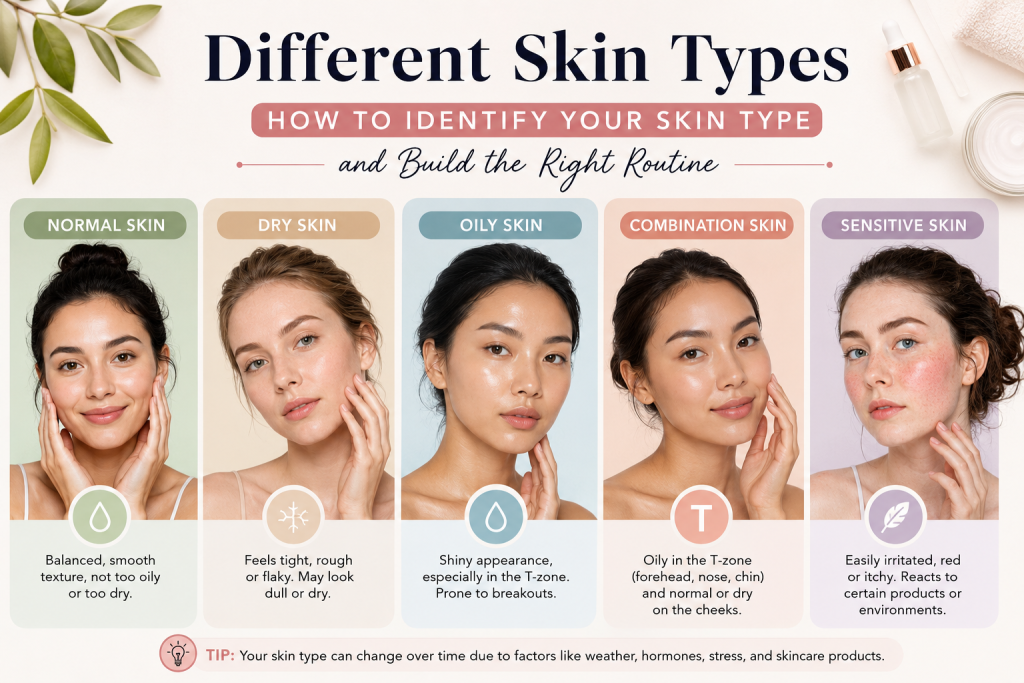
Dermatologists generally group skin into five main skin types:
| Skin Type | Quick Sign | Best Friend Ingredient |
| Normal | Balanced, few issues | Hyaluronic acid |
| Dry | Tight, flaky after washing | Ceramides, glycerin |
| Oily | Shiny by midday, larger pores | Niacinamide, salicylic acid |
| Combination | Oily T-zone, drier cheeks | Lightweight, zone-specific products |
| Sensitive | Reacts to new products, redness | Centella asiatica, oat extract |
Your skin type isn’t fixed forever. Weather, age, hormones, stress, medication, and even the products you use can shift it over time. That’s why it’s worth reassessing every few months, not just once.
Why Your Skin Type Matters More Than Any “Holy Grail” Product
Before you spend another dollar on a trending serum, it helps to understand what your skin is already doing naturally. Your skin type directly affects:
- How much oil (sebum) your skin produces on its own
- Whether your skin feels tight, flaky, or genuinely dehydrated
- How prone you are to clogged pores and breakouts
- Which active ingredients you’ll tolerate well and which will backfire
- What kind of cleanser, moisturizer, and SPF formula will actually sit well on your face
Knowing this upfront means you stop chasing other people’s “holy grail” products and start building a routine based on what your own skin needs.
1. Normal Skin
Normal skin is the baseline everyone else is kind of jealous of because it’s well-balanced, neither oily nor dry, and generally low-drama.
Signs You Have Normal Skin
- Skin feels soft, smooth, and comfortable most of the day
- Pores are small and barely noticeable
- Few breakouts, dry patches, or flare-ups
- Skin doesn’t feel tight or stripped after cleansing
- Makeup applies smoothly and doesn’t separate or slide
Even though normal skin is low-maintenance, it still benefits from consistent care because “normal” can drift toward dry or oily with age, season changes, or stress if it’s neglected.
Best Skincare Routine for Normal Skin
- Cleanser: A gentle, pH-balanced cleanser morning and night
- Moisturizer: Lightweight lotion or gel-cream to maintain the skin barrier
- Sunscreen: Broad-spectrum SPF 30+ every single day, rain or shine
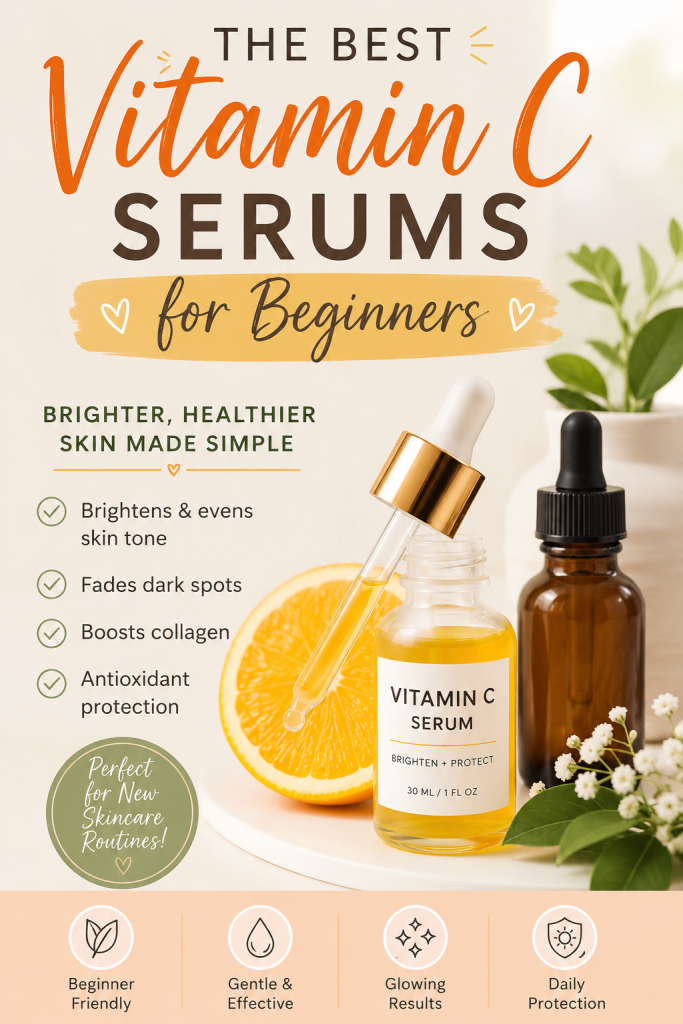
- Treatment: Hyaluronic acid or a vitamin C serum for added hydration and brightness
- Exfoliation: A mild chemical exfoliant (like a low-percentage AHA) 1–2 times per week
2. Dry Skin
Dry skin simply produces less natural oil than other types, which means it has a harder time holding onto moisture on its own.
Signs You Have Dry Skin
- Noticeable tightness within minutes of cleansing
- Rough texture, flaking, or visible dry patches
- A dull or ashy-looking complexion
- Fine lines that seem more pronounced, especially by evening
- Occasional itchiness or a “tight mask” feeling
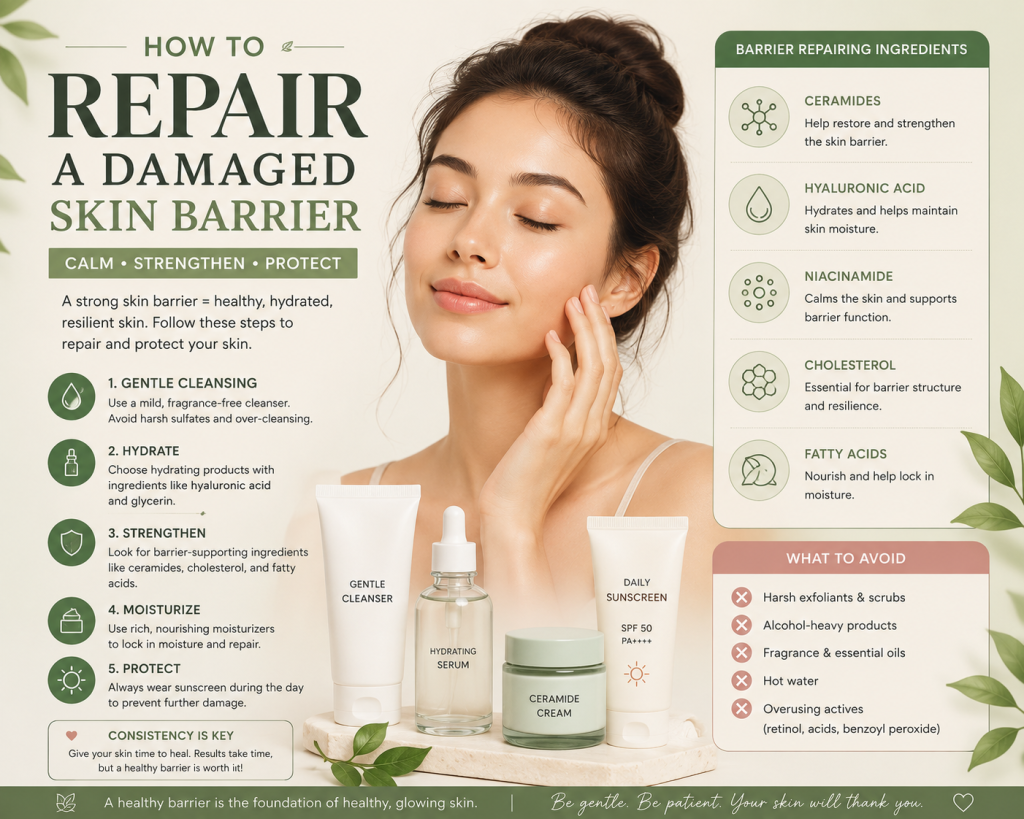
Dry skin needs reinforcement, not stripping. Harsh foaming cleansers, hot water, and over-exfoliation are the fastest ways to make it worse.
Best Skincare Routine for Dry Skin
- Cleanser: A creamy, non-foaming or oil-based cleanser
- Moisturizer: A richer cream with ceramides, glycerin, squalane, or hyaluronic acid
- Water temperature: Lukewarm, never hot. Hot water strips natural oils
- Application tip: Apply moisturizer to slightly damp skin to lock in extra hydration
- Extra step: A facial oil or overnight sleeping mask 2–3 nights a week for an added moisture boost
3. Oily Skin
Oily skin produces excess sebum, the natural oil that keeps skin lubricated, but too much of it leads to shine, clogged pores, and breakouts.
Signs You Have Oily Skin
- Visible shine across the forehead, nose, and chin by midday
- Enlarged, more visible pores
- Frequent blackheads, whiteheads, or active breakouts
- Makeup that fades or slides off faster than expected
- Skin feels greasy again shortly after cleansing
The biggest mistake with oily skin is over-stripping it. Harsh, drying products can actually trigger more oil production as the skin tries to compensate, a cycle dermatologists call “rebound oiliness.”
Best Skincare Routine for Oily Skin
- Cleanser: A gentle foaming or gel cleanser (avoid bar soap and high-alcohol formulas)
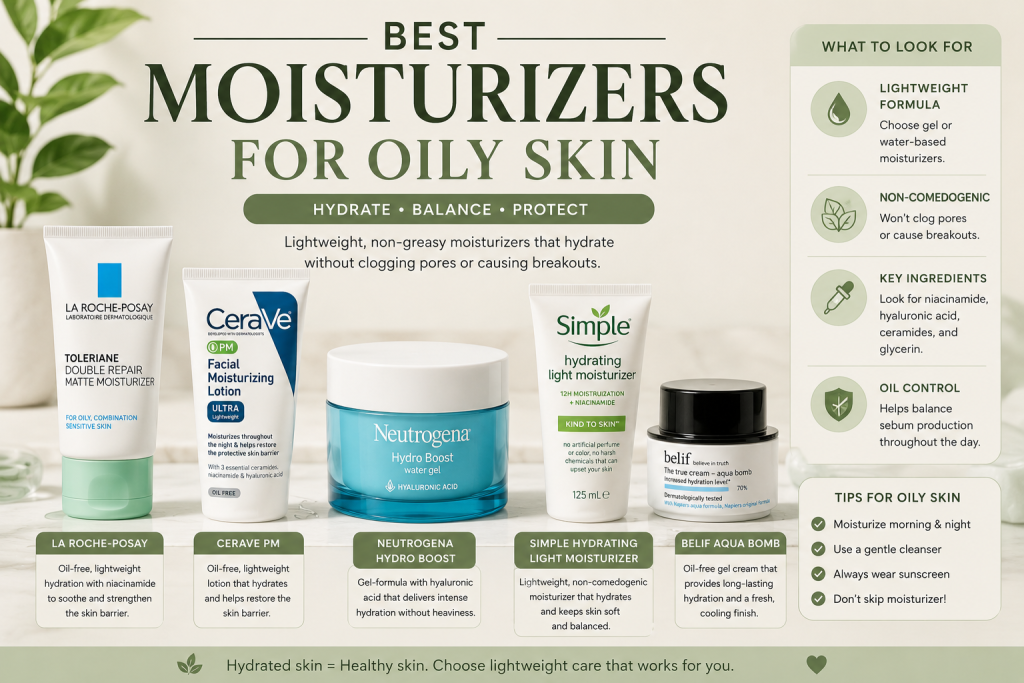
- Moisturizer: An oil-free, lightweight, non-comedogenic gel-cream. Yes, even oily skin needs this
- Treatment: Niacinamide to regulate oil production; salicylic acid (BHA) to keep pores clear
- Masks: A weekly clay or charcoal mask to absorb excess oil
- Avoid: Heavy, occlusive creams and comedogenic oils like coconut oil
4. Combination Skin
For more information, check out our Niacinamide and Retinol guide to learn how these ingredients can help improve your skin.
Combination skin is exactly what it sounds like, oily in some areas, normal or dry in others, usually split along the T-zone (forehead, nose, and chin) versus the cheeks.
Signs You Have Combination Skin
- An oily forehead, nose, and/or chin
- Cheeks that feel normal or even dry
- Breakouts concentrated mostly in the T-zone
- Pores that look larger in some areas but minimal in others
- Skin that seems to change personality with the seasons
Because combination skin has two sets of needs at once, a one-size-fits-all product often under-treats one zone while overwhelming the other.
Best Skincare Routine for Combination Skin
- Cleanser: A gentle, balanced cleanser that won’t over-dry the cheeks while still cutting through T-zone oil
- Moisturizer: Apply a lightweight lotion everywhere, then layer a richer cream on drier areas only
- Masking: Clay masks on the T-zone only; hydrating sheet masks on the cheeks
- Treatment: Niacinamide works well across the whole face for balancing oil production
- Avoid: Products that are either too harsh (dries out cheeks) or too heavy (clogs the T-zone)
5. Sensitive Skin
Sensitive skin reacts more easily to products, weather, fragrance, and certain active ingredients. It can also overlap with any of the other four types meaning you can have dry-sensitive, oily-sensitive, or combination-sensitive skin.
Signs You Have Sensitive Skin
- Burning, stinging, or itching shortly after applying products
- Redness, blotchiness, or visible irritation
- Reactions to fragrance, alcohol, or active ingredients other skin types tolerate fine
- Inflamed or easily irritated patches
- Discomfort after cleansing, exfoliating, or sun exposure
Sensitive skin thrives on simplicity. The goal isn’t to throw soothing ingredients at every flare-up but to reduce the number of variables your skin has to deal with in the first place.
Best Skincare Routine for Sensitive Skin
- Cleanser: Fragrance-free, alcohol-free, and as short an ingredient list as possible
- Moisturizer: Simple, barrier-supporting formulas with ceramides and minimal additives
- Patch test: Always test new products on your inner arm or jawline for 48 hours before applying to your full face
- Avoid: Over-exfoliating, physical scrubs, and layering multiple actives at once
- Look for: Soothing ingredients like aloe vera, oat extract, centella asiatica (cica), and panthenol
How to Identify Your Skin Type at Home: The Bare-Face Test
If you’re genuinely unsure where you land, this simple at-home test takes less than an hour:
- Cleanse: Wash your face with a gentle, neutral cleanser.
- Pat dry: Gently pat (don’t rub) your skin dry.
- Wait it out: Leave your skin completely bare for 30 minutes to 1 hour. No moisturizer, no serum, nothing.
- Observe: Check how your skin looks and feels in good natural light.
Reading the Results
- Comfortable and balanced all over → likely normal skin
- Tight, rough, or flaking → likely dry skin
- Shiny across the whole face → likely oily skin
- Shiny only in the T-zone, normal/dry elsewhere → likely combination skin
- Itchy, red, or visibly irritated → likely sensitive skin
Keep in mind, real skin is messy, and plenty of people land somewhere between two categories, and that’s completely normal. Use the test as a starting point, not a permanent label.
Can Your Skin Type Change Over Time?
Yes, and this is one of the most overlooked parts of skincare. Skin type isn’t a fixed identity; it shifts in response to:
- Hormonal changes (puberty, pregnancy, menopause, hormonal birth control)
- Weather and climate (humid summers vs. dry, cold winters)
- Aging (oil production naturally declines with age)
- Stress (can trigger both breakouts and barrier issues)
- Diet and lifestyle (hydration, sleep, alcohol, and sugar intake all play a role)
- New skincare products or medications (retinoids, acne medications, etc.)
For example, it’s extremely common for someone with oily, acne-prone skin in their teens and twenties to develop drier, more sensitive skin in their thirties and forties. Likewise, combination skin often feels noticeably drier in winter and oilier in summer. Reassessing your skin every season keeps your routine actually working.
A Simple Routine Framework for Every Skin Type
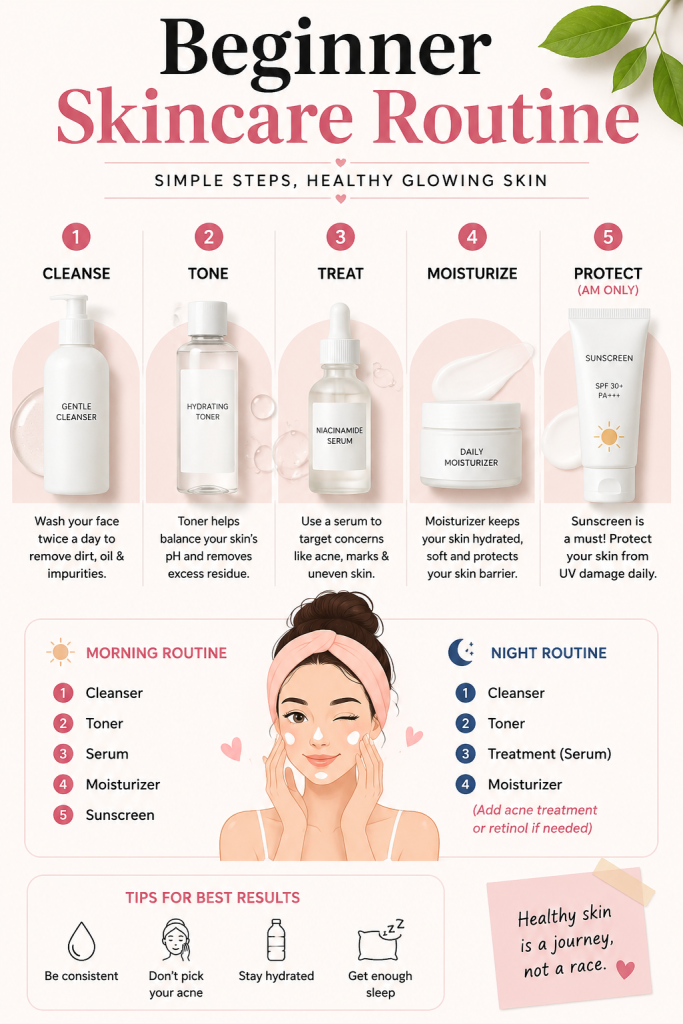
No matter which type you have, almost everyone benefits from the same three foundational steps:
- Cleanser — removes dirt, excess oil, sunscreen, and pollution buildup
- Moisturizer — reinforces the skin barrier and prevents water loss (yes, even oily skin needs this)
- Sunscreen (SPF 30+) — protects against UV damage, premature aging, and hyperpigmentation
From there, layer in targeted treatments based on your specific needs:
- Dry skin → hydrating serums, richer creams, occlusives like squalane
- Oily skin → niacinamide, salicylic acid, lightweight oil-free formulas
- Sensitive skin → minimal, fragrance-free, barrier-repair-focused products
- Combination skin → zone-specific layering (lightweight on the T-zone, richer on the cheeks)
Common Mistakes People Make with Their Skin Type
Even once you know your skin type, a few habits can quietly undo all your progress:
1. Using Products That Are Too Harsh
Aggressive cleansers and over-exfoliation damage the skin barrier, often making skin more irritated, drier, or paradoxically oilier as it overcompensates.
2. Skipping Moisturizer
A common myth is that oily or acne-prone skin doesn’t need moisturizer. In reality, every skin type needs hydration and skipping it can actually worsen oiliness and breakouts.
3. Copying Someone Else’s Routine
A 10-step routine built for someone with dry, mature skin can be a disaster for oily, acne-prone skin, and vice versa. Build around your own skin type and concerns, not someone else’s.
4. Changing Products Too Often
Introducing several new products at once makes it nearly impossible to tell what’s helping and what’s causing a reaction. Add one new product at a time and give it a few weeks before judging results.
5. Ignoring Seasonal Changes
Using the exact same routine year-round, regardless of humidity or temperature shifts, is one of the most common reasons people feel like their “skin type changed” when really their routine just needs to flex with the seasons.
Conclusion
Understanding the different skin types: normal, dry, oily, combination, and sensitive takes a lot of the guesswork out of skincare. Once you know which category (or combination of categories) you fall into, choosing the right cleanser, moisturizer, and treatment products becomes far less overwhelming.
The goal isn’t a perfect 12-step routine. It’s a consistent one that actually matches what your skin needs right now and one you’re willing to adjust as your skin changes with age, season, and life stage. Start simple, introduce changes gradually, and pay attention to how your skin responds. That’s the real foundation of a sustainable, effective skincare routine.
Frequently Asked Questions
What are the 5 different skin types?
The five main skin types are normal, dry, oily, combination, and sensitive. Each has distinct needs, and identifying yours is the first step toward choosing the right skincare products.
How do I know what skin type I have?
Try the bare-face test: cleanse your face, leave it product-free for 30–60 minutes, then observe whether it feels balanced, tight and flaky, shiny all over, oily only in the T-zone, or irritated and reactive.
Can I have more than one skin type?
Yes. Combination skin (oily T-zone, drier cheeks) is extremely common, and sensitive skin can overlap with dry, oily, normal, or combination skin at the same time.
Does oily skin still need moisturizer?
Yes. Skipping moisturizer can actually trigger more oil production as skin tries to compensate for the lack of hydration. Use an oil-free, lightweight, non-comedogenic formula instead of skipping this step entirely.
Can skin type change with age?
Yes. Hormones, aging, weather, stress, diet, and medications can all shift your skin type over time. It’s worth reassessing your skin every few months, especially across seasonal changes.
What’s the difference between dehydrated skin and dry skin?
Dry skin is a skin type that lacks natural oil (sebum) over time. Dehydrated skin is a condition where the skin lacks water and can affect any skin type, including oily skin. You can have oily, dehydrated skin that needs hydrating ingredients like hyaluronic acid even though it doesn’t need richer, oil-based moisturizers.
How often should I reassess my skin type?
Checking in every 3 months, or whenever the season changes significantly, is a reasonable habit. Major life events like pregnancy, starting/stopping hormonal birth control, moving to a new climate are also good triggers to retest.