Affiliate Disclosure: This article may contain affiliate links. If you purchase through these links, we may earn a small commission at no extra cost to you. Thank you for your support.
Benefits, How to Use It, and the Best Hyaluronic Acid Serums for Every Skin Type
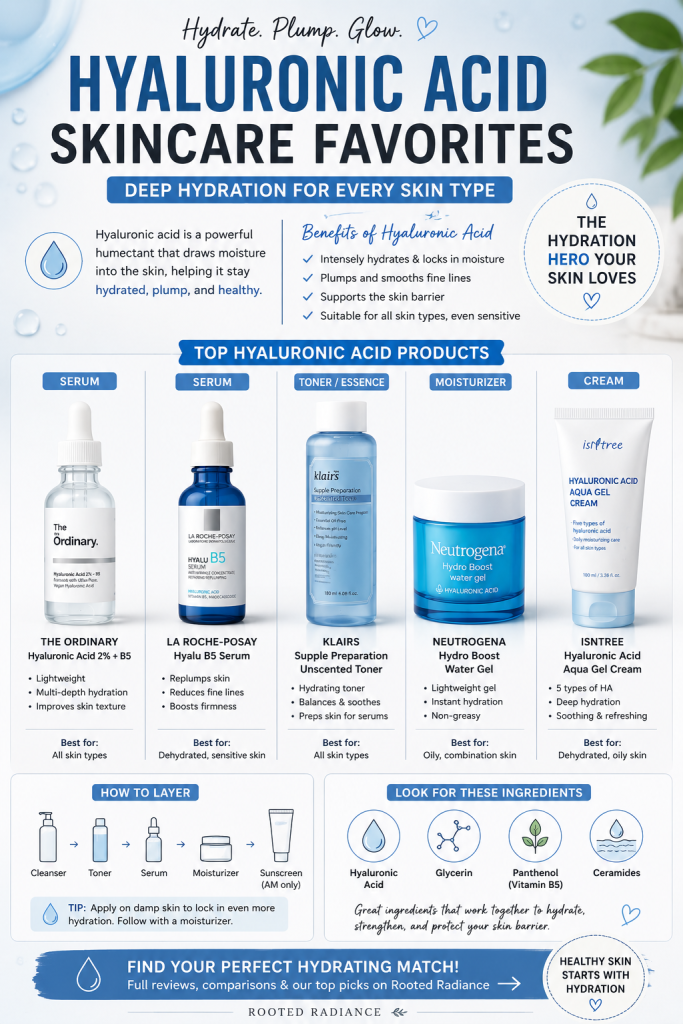
If you’ve ever searched for the best skincare ingredients for hydration, you’ve probably come across hyaluronic acid. In fact, hyaluronic acid has become one of the most popular skincare ingredients because it helps attract and retain moisture, leaving skin looking plump, smooth, and healthy.
However, many people still wonder: What exactly is hyaluronic acid? How does it work? And which hyaluronic acid serum is best for your skin type?
In this comprehensive hyaluronic acid guide, you’ll learn the benefits of hyaluronic acid, how to use it correctly, common mistakes to avoid, and the best hyaluronic acid serums worth considering.
What Is Hyaluronic Acid?
Hyaluronic acid is a naturally occurring substance found in the skin, connective tissues, and eyes. Its primary function is to retain water and keep tissues lubricated and hydrated.
In fact, hyaluronic acid can hold up to 1,000 times its weight in water. As a result, it plays a crucial role in maintaining skin hydration and elasticity.
Unfortunately, as we age, our natural hyaluronic acid levels decline. Consequently, skin may become drier, less plump, and more prone to fine lines.
Therefore, incorporating a hyaluronic acid serum into your skincare routine can help replenish moisture and support a healthier-looking complexion.
Benefits of Hyaluronic Acid for Skin
Hyaluronic acid offers several skincare benefits. Not only is it suitable for most skin types, but it also works well alongside many other skincare ingredients.
1. Deep Hydration
First and foremost, hyaluronic acid attracts water to the skin, helping maintain optimal hydration levels throughout the day.
2. Plumper-Looking Skin
Additionally, hydrated skin often appears fuller and more youthful. As a result, fine lines may appear less noticeable.
3. Supports the Skin Barrier
Furthermore, a well-hydrated skin barrier is better equipped to protect against environmental stressors and moisture loss.
4. Suitable for Most Skin Types
Whether you have oily skin, dry skin, combination skin, or sensitive skin, hyaluronic acid is generally well tolerated.
5. Layers Well With Other Ingredients
Moreover, hyaluronic acid can be used alongside ingredients such as niacinamide, vitamin C, and retinol.
For more ingredient-focused skincare advice, check out our Retinol Beginner Guide and Niacinamide Guide for Oily Skin.
Who Should Use Hyaluronic Acid?
The good news is that almost everyone can benefit from hyaluronic acid.
It is especially beneficial for:
- Dry skin
- Dehydrated skin
- Mature skin
- Sensitive skin
- Oily skin
- Acne-prone skin
Even if your skin produces excess oil, hydration remains essential. Therefore, using a lightweight hyaluronic acid serum can help maintain balance without feeling heavy.
How to Use Hyaluronic Acid Correctly
Many people use hyaluronic acid incorrectly. Therefore, following the proper application method can make a significant difference.
Step 1: Cleanse Your Skin
Begin with a gentle cleanser to remove dirt, oil, and impurities.
Step 2: Apply to Damp Skin
Next, apply hyaluronic acid serum while your skin is slightly damp. This helps the ingredient attract moisture more effectively.
Step 3: Follow With Moisturizer
Afterward, seal in hydration with a moisturizer. This step is crucial because it helps prevent moisture from evaporating.
Step 4: Wear Sunscreen During the Day
Finally, finish your morning skincare routine with sunscreen to protect your skin from UV damage.
If you’re unsure about skincare routine order, read our guide on Morning vs Night Skincare Routine.
Best Hyaluronic Acid Serums
Below are some of the most popular hyaluronic acid serums available today.
1. Osea Malibu Hyaluronic Sea Serum
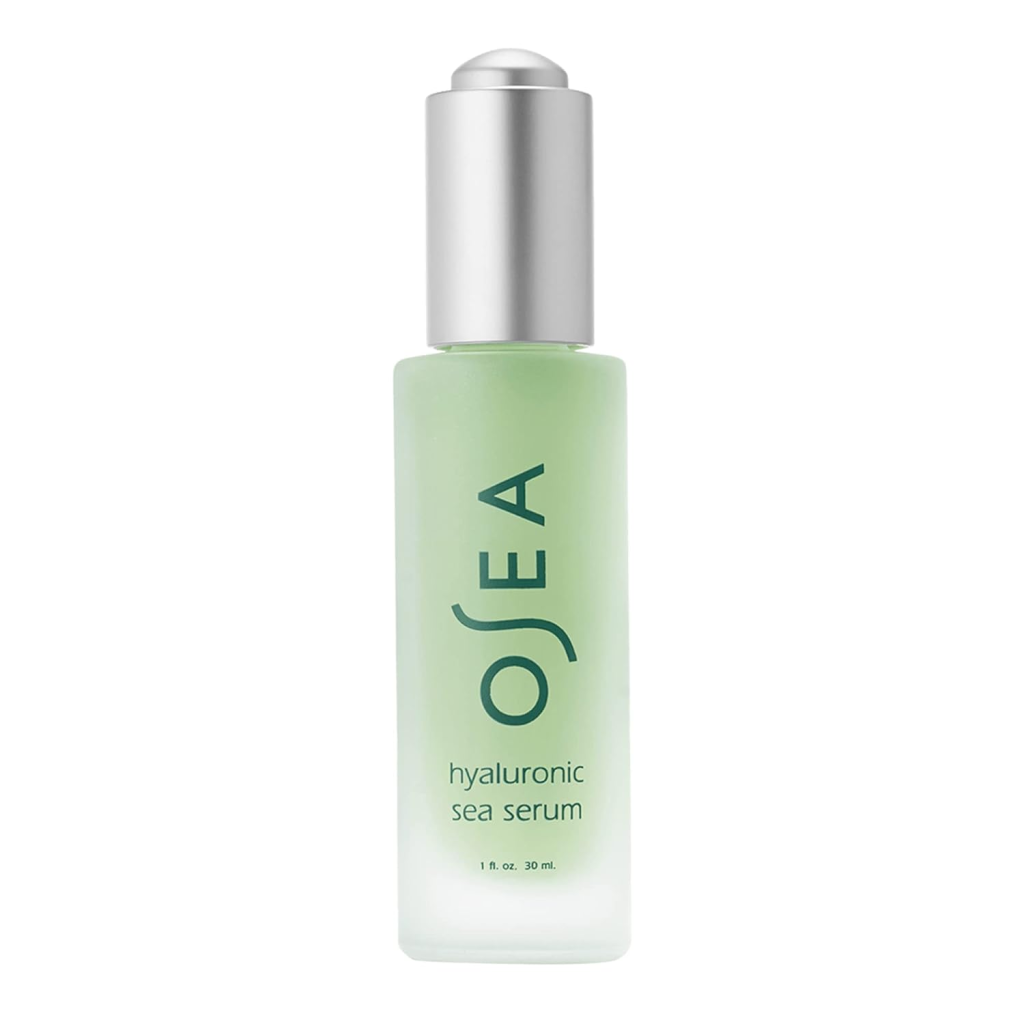
This lightweight serum combines hyaluronic acid with marine-based ingredients to deliver hydration while supporting a healthy-looking complexion.
Click here to view the Amazon prices.
2. The Ordinary Hyaluronic Acid 2% + B5
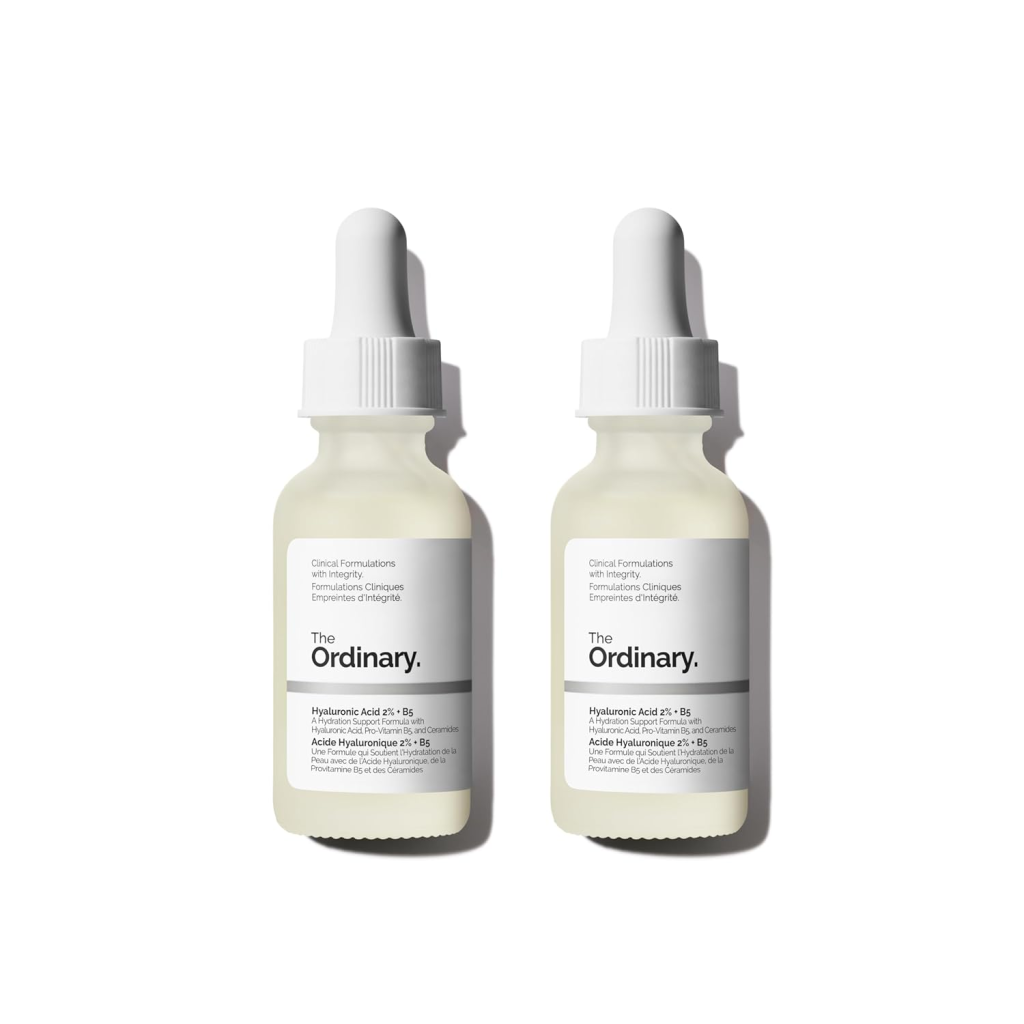
One of the most affordable options, this serum combines multiple forms of hyaluronic acid with vitamin B5 for enhanced hydration.
Click here to view the Amazon prices.
3. Drunk Elephant B-Hydra Intensive Hydration Serum
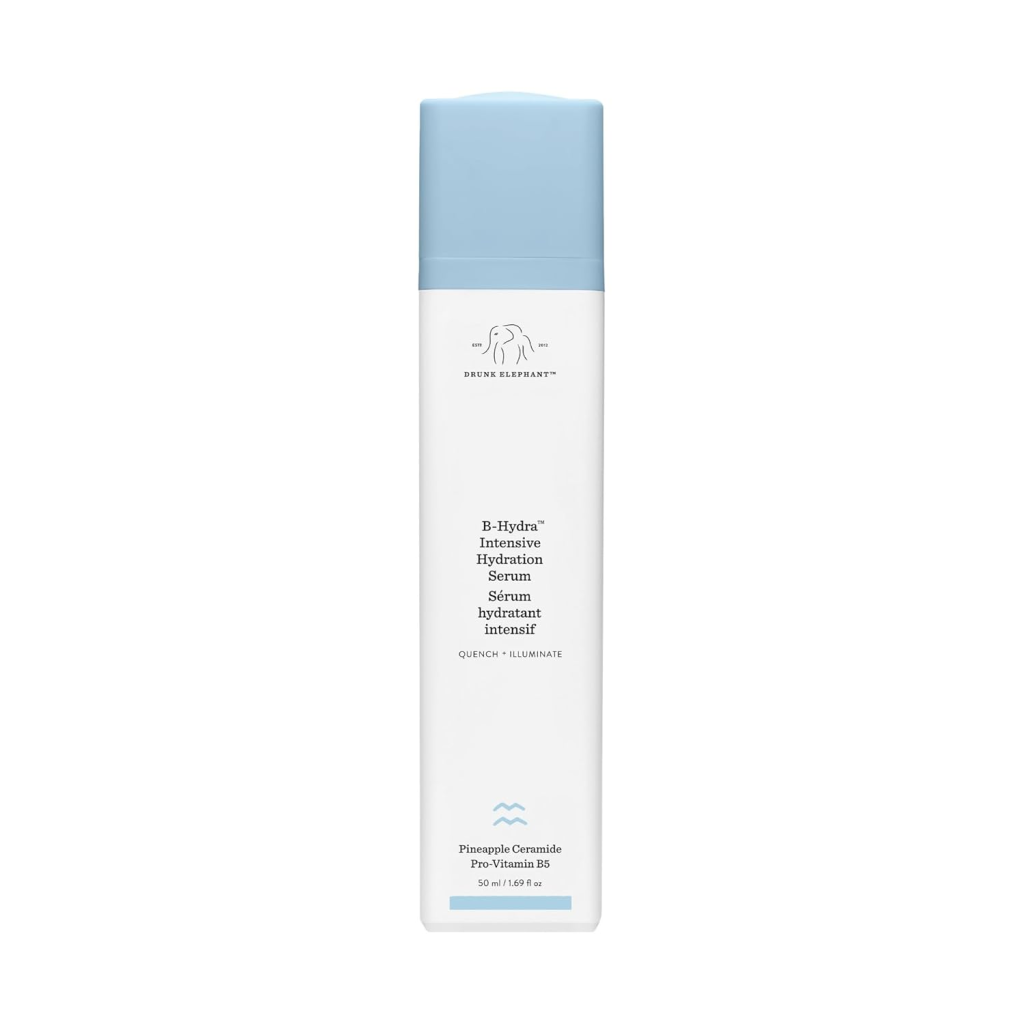
This serum focuses on long-lasting hydration while helping improve skin texture and smoothness.
Click here to view the Amazon prices.
4. La Roche-Posay Hyalu B5 Pure Hyaluronic Acid Serum
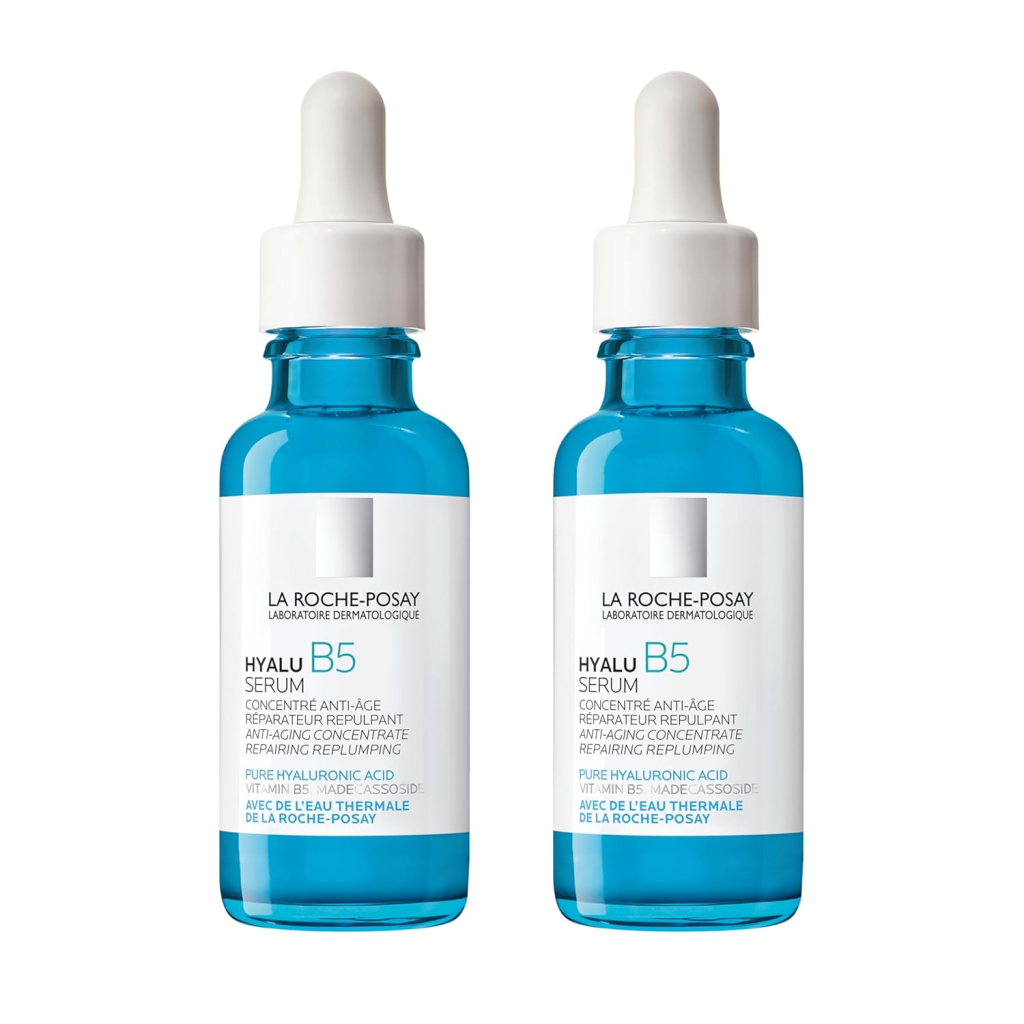
Ideal for sensitive skin, this serum combines hyaluronic acid and vitamin B5 to support skin repair and hydration.
Click here to view the Amazon prices.
5. Peter Thomas Roth Water Drench Hyaluronic Liquid Gel Cloud Serum
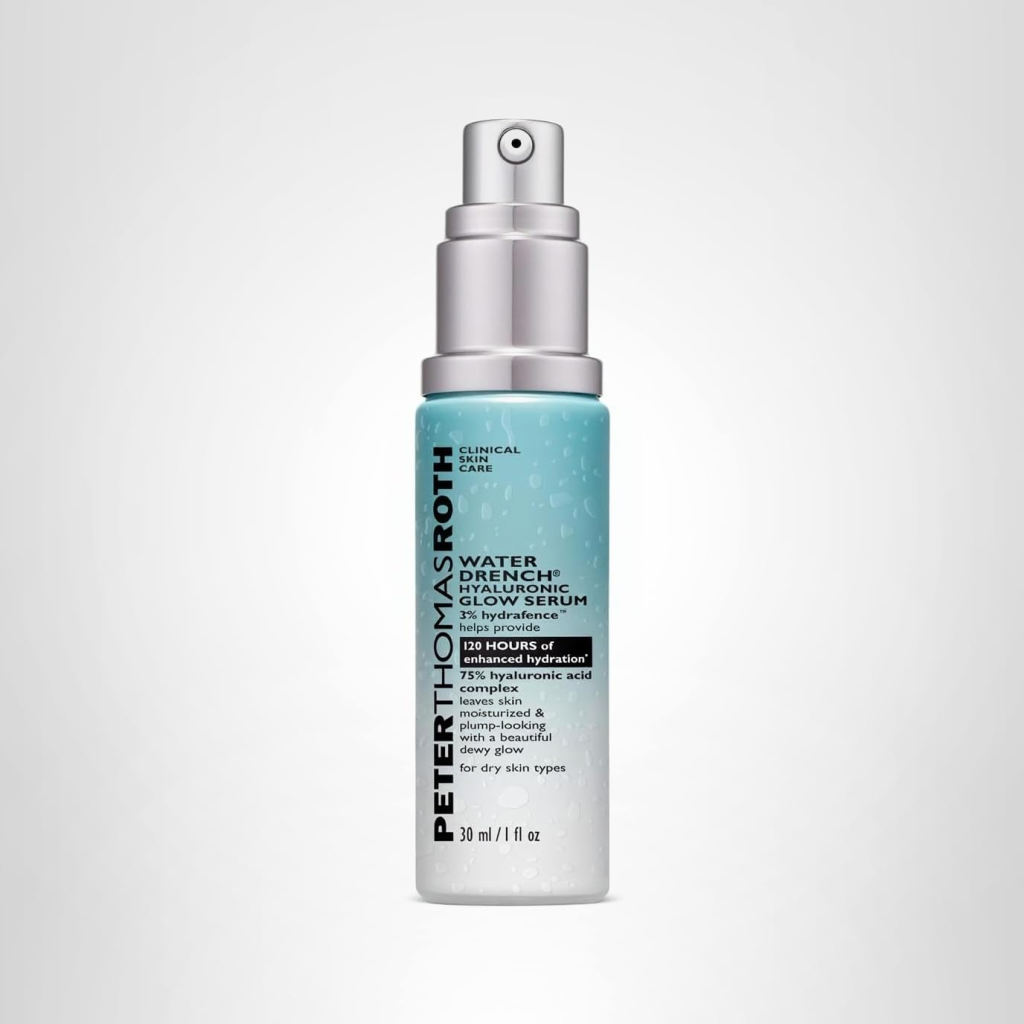
Designed to provide intense hydration, this serum helps leave skin feeling soft and refreshed.
Click here to view the Amazon prices.
6. Neutrogena Hydro Boost Hydrating Serum
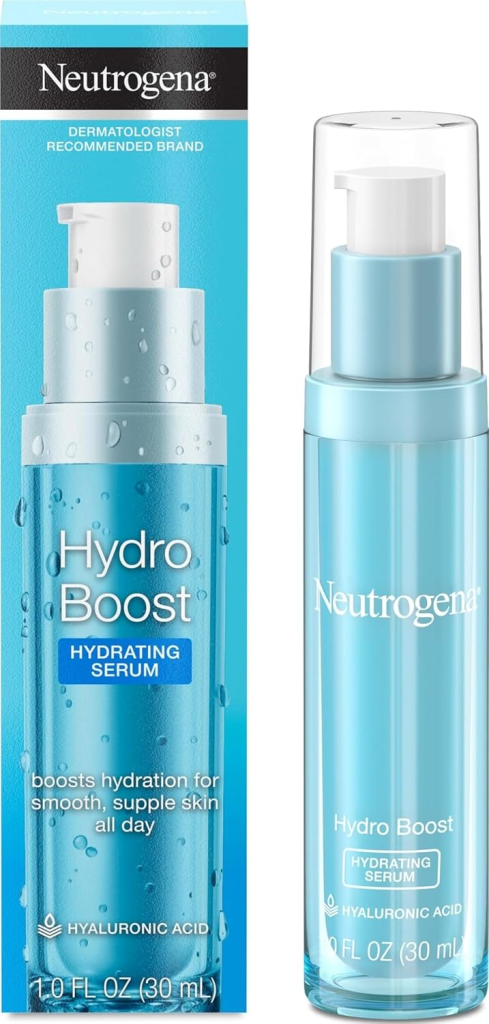
A popular drugstore option that delivers lightweight hydration without feeling greasy.
Click here to view Amazon prices.
7. Vichy Mineral 89 Hyaluronic Acid Face Serum
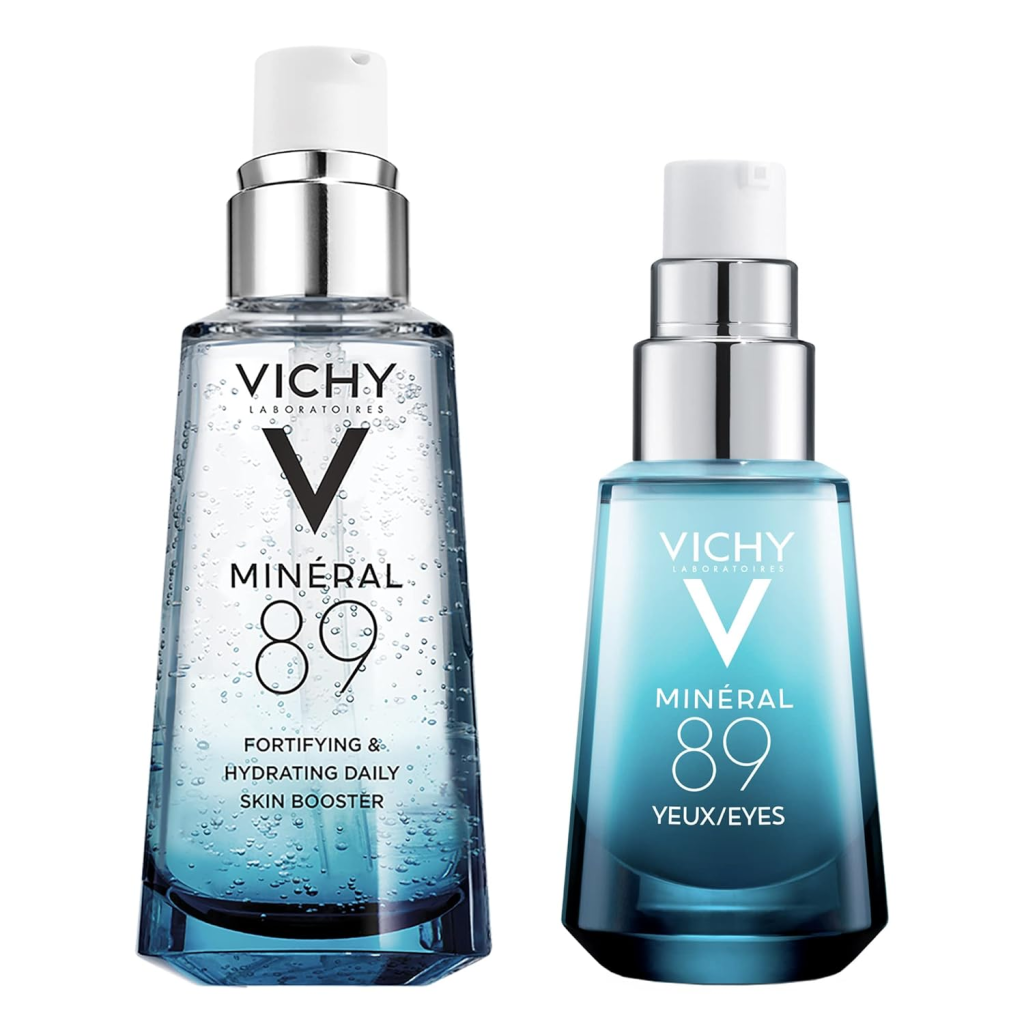
This serum combines volcanic mineral water with hyaluronic acid to strengthen the skin barrier and boost hydration.
Click here to view the Amazon Prices.
8. L’Oréal Paris Revitalift 1.5% Pure Hyaluronic Acid Face Serum
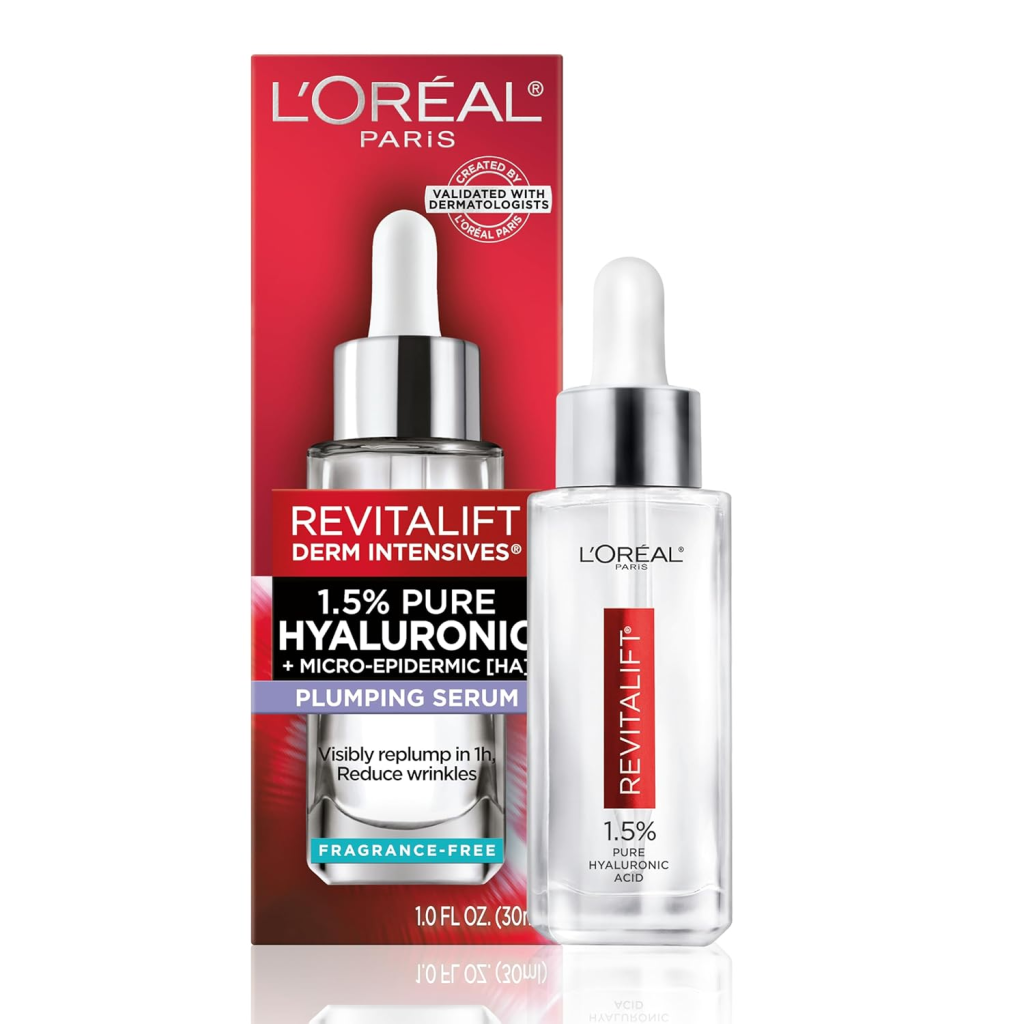
Known for its lightweight texture, this serum helps improve hydration and skin smoothness.
Click here to view the Amazon prices.
9. Glow Recipe Plum Plump Hyaluronic Serum
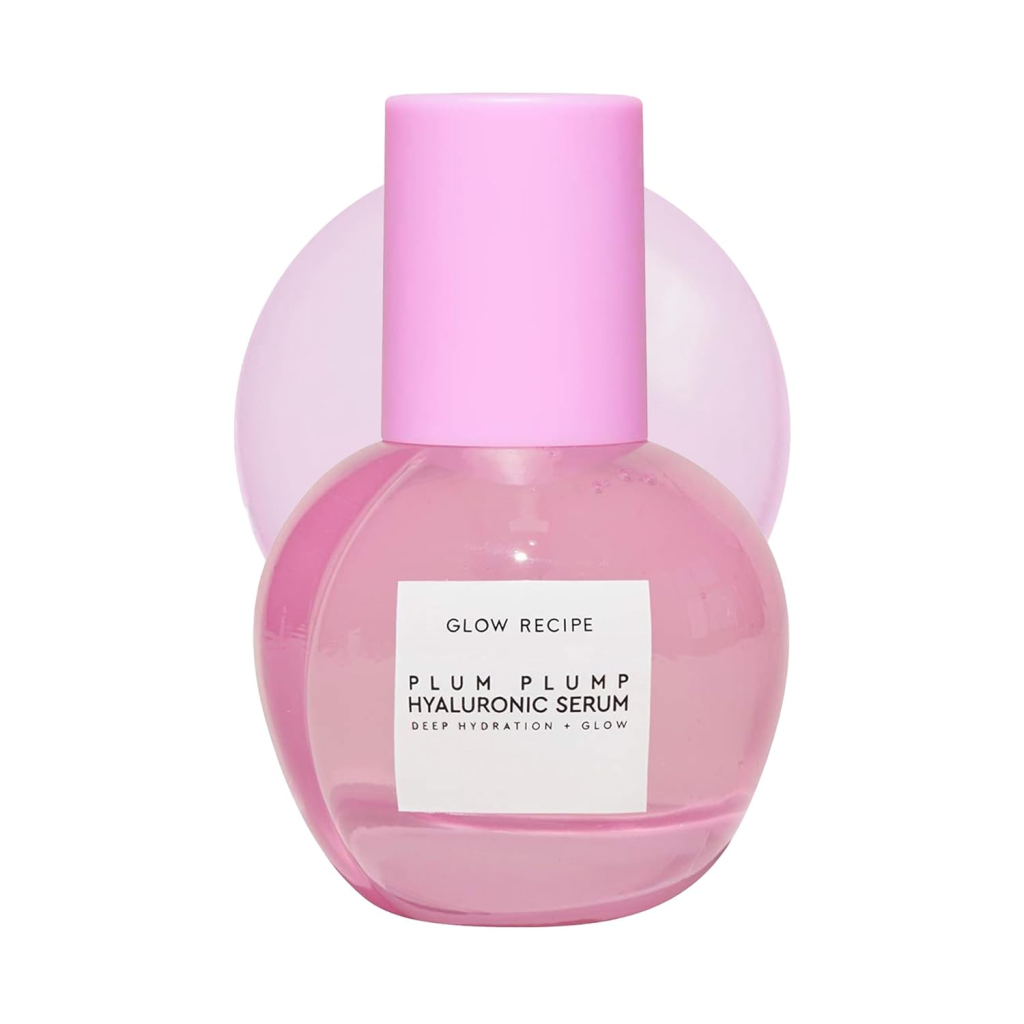
This serum combines hyaluronic acid with antioxidant-rich ingredients to support a healthy glow.
Click here to view the Amazon prices.
10. Farmacy Filling Good Hyaluronic Acid Plumping Serum
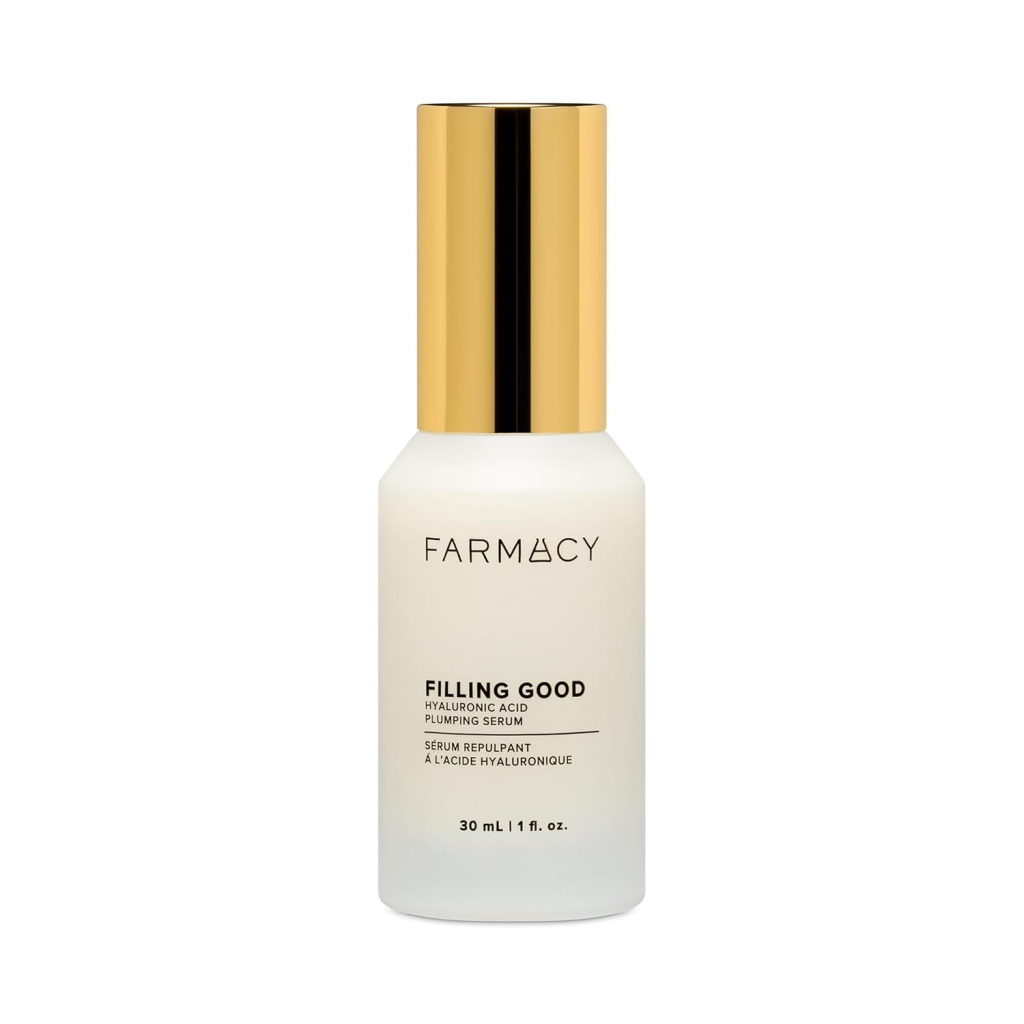
A hydrating formula designed to help skin look plumper and more radiant.
Click here to view the Amazon prices.
Common Hyaluronic Acid Mistakes to Avoid
Although hyaluronic acid is beginner-friendly, there are still a few mistakes to avoid.
Applying It to Dry Skin
Instead, apply it to damp skin to maximize hydration benefits.
Skipping Moisturizer
Without a moisturizer, hydration may not be effectively sealed into the skin.
Expecting Instant Results
While some hydration benefits are noticeable quickly, long-term improvements require consistent use.
Using Too Many New Products at Once
Whenever possible, introduce new skincare products gradually to monitor your skin’s response.
Can You Use Hyaluronic Acid with Other Ingredients?
Yes. In fact, hyaluronic acid works well with many popular skincare ingredients.
These include:
- Retinol
- Niacinamide
- Vitamin C
- Ceramides
- Peptides
As a result, it is often one of the easiest skincare ingredients to incorporate into an existing routine.
Conclusion
Hyaluronic acid is one of the most versatile skincare ingredients available. Not only does it provide deep hydration, but it also supports the skin barrier, enhances skin texture, and complements other active ingredients effectively.
Whether you’re building a beginner skincare routine or upgrading your current regimen, adding a quality hyaluronic acid serum can help your skin look healthier, smoother, and more radiant.
Most importantly, remember to apply hyaluronic acid to damp skin and follow it with a moisturizer for the best results.
Frequently Asked Questions
What does hyaluronic acid do for the skin?
Hyaluronic acid attracts and retains moisture, helping keep skin hydrated, smooth, and plump.
Can oily skin use hyaluronic acid?
Yes. Oily skin still needs hydration. In fact, dehydrated skin may produce even more oil to compensate.
Is hyaluronic acid safe for sensitive skin?
Generally, yes. Most people with sensitive skin tolerate hyaluronic acid very well.
Can I use hyaluronic acid every day?
Absolutely. Hyaluronic acid is gentle enough for daily use, both morning and night.
Should I use hyaluronic acid before or after moisturizer?
Use hyaluronic acid before moisturizer. Then apply moisturizer to lock in hydration.
Can hyaluronic acid help with wrinkles?
While it does not eliminate wrinkles, it can improve hydration and make fine lines appear less noticeable.
Is hyaluronic acid good for acne-prone skin?
Yes. Lightweight hyaluronic acid serums provide hydration without clogging pores, making them suitable for acne-prone skin.
Leave a Reply