Author: bona29

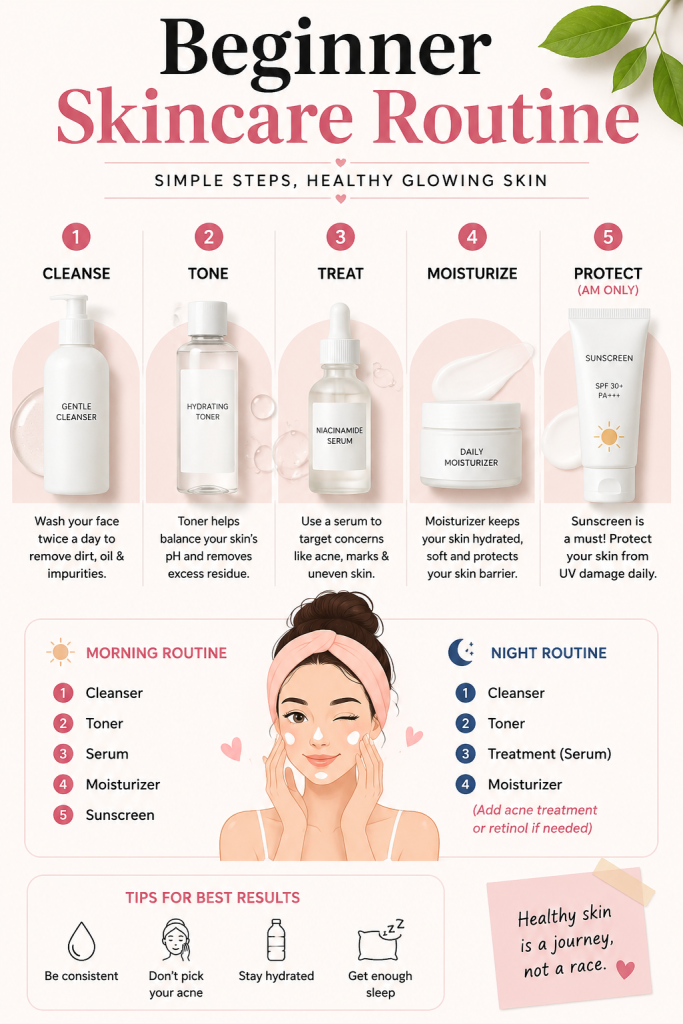
  • Beginner Skincare Routine

    Looking for a beginner skincare routine? Discover the essential skincare steps, products, and tips for creating a straightforward routine that promotes healthy, radiant skin.

    A Simple Step-by-Step Guide for Healthy Skin

    Starting a skincare routine can feel overwhelming. With so many products, ingredients, and trends available, many beginners struggle to know where to start. Fortunately, an effective skincare routine doesn’t have to be complicated.

    In fact, the best beginner skincare routine focuses on a few essential steps that help cleanse, hydrate, and protect your skin. Once you understand the basics, you can gradually introduce additional products based on your skin type and concerns.

    The Basics That You Need To Know

    In this guide, you’ll learn how to build a simple skincare routine for beginners, what products you actually need, and the common mistakes to avoid.

    Why a Beginner Skincare Routine Matters

    Your skin is exposed to environmental stressors every day, including sunlight, pollution, dirt, and excess oil. Therefore, establishing a consistent skincare routine helps maintain a healthy skin barrier and supports overall skin health.

    Additionally, a simple routine makes it easier to stay consistent. Rather than buying multiple products at once, beginners often achieve better results by focusing on a few essentials.

    The Three Essential Steps of a Beginner Skincare Routine

    If you’re new to skincare, start with these three fundamental steps:

    1. Cleanse

    Cleansing removes dirt, excess oil, sweat, and impurities from the skin.

    For beginners, a gentle cleanser is usually the best option. Harsh cleansers can strip the skin and lead to dryness or irritation.

    Benefits of cleansing include:

    • Removes excess oil
    • Helps prevent clogged pores
    • Prepares skin for other products
    • Supports a fresh, clean complexion

    2. Moisturize

    Many beginners mistakenly think moisturizer is only for dry skin. However, every skin type benefits from proper hydration.

    A moisturizer helps:

    • Maintain skin hydration
    • Support the skin barrier
    • Reduce dryness
    • Improve skin comfort

    If you have oily skin, choose a lightweight, non-comedogenic moisturizer.

    3. Protect with Sunscreen

    Sunscreen is arguably the most important step in any skincare routine.

    Daily sunscreen helps protect the skin from:

    • UV damage
    • Premature aging
    • Hyperpigmentation
    • Sunburn

    For daily use, choose a broad-spectrum sunscreen with SPF 30 or higher.

    If you struggle with excess oil, check out our guide to the Best Sunscreens for Oily Skin for lightweight SPF recommendations.

    Morning Skincare Routine for Beginners

    A morning skincare routine focuses on protection and prevention.

    Step 1: Gentle Cleanser

    Start your day by removing excess oil and sweat that accumulated overnight.

    Step 2: Moisturizer

    Apply a moisturizer that suits your skin type.

    Step 3: Sunscreen

    Finish with sunscreen every morning, even on cloudy days.

    Optional Step: Vitamin C Serum

    As your routine develops, you may choose to add a Vitamin C serum to help brighten your complexion and support protection against environmental stressors.

    Night Skincare Routine for Beginners

    While you sleep, your skin naturally enters repair mode. Therefore, your nighttime routine should focus on cleansing and recovery.

    Step 1: Cleanser

    Remove sunscreen, dirt, makeup, and oil from the day.

    Step 2: Treatment Product (Optional)

    Once your skin is comfortable with the basics, you can introduce a treatment product.

    Popular beginner-friendly options include:

    • Niacinamide
    • Retinol
    • Salicylic Acid

    If you’re considering retinol, read our Retinol Beginner Guide to learn how to introduce it safely.

    Similarly, our guide to Best Niacinamide Serums for Oily Skin can help you choose a beginner-friendly serum.

    Step 3: Moisturizer

    Apply moisturizer to support hydration and skin barrier recovery overnight.

    How to Choose Products for Your Skin Type

    Different skin types have different needs.

    Oily Skin

    Look for:

    • Lightweight moisturizers
    • Oil-free sunscreen
    • Non-comedogenic products
    • Niacinamide-based products

    You may also find our Acne Routine for Beginners helpful if you experience frequent breakouts.

    Dry Skin

    Look for:

    • Cream-based moisturizers
    • Hydrating cleansers
    • Barrier-supporting ingredients

    Combination Skin

    Choose balanced products that provide hydration without feeling heavy.

    Sensitive Skin

    Focus on gentle formulas and introduce new products gradually.

    Common Beginner Skincare Mistakes

    Even the best skincare routine can be less effective if common mistakes are made.

    Using Too Many Products

    More products do not necessarily mean better results. Instead, start with the basics.

    Skipping Sunscreen

    Without sunscreen, your skin remains vulnerable to daily UV exposure.

    Changing Products Too Frequently

    Allow products enough time to work before switching to something new.

    Over-Exfoliating

    Excessive exfoliation can damage the skin barrier and cause irritation.

    Expecting Instant Results

    Most skincare products require consistent use for several weeks before noticeable improvements appear.

    Beginner Skincare Routine Example

    Morning Routine

    1. Gentle Cleanser
    2. Moisturizer
    3. Sunscreen SPF 30+

    Evening Routine

    1. Cleanser
    2. Treatment Product (Optional)
    3. Moisturizer

    Remember, consistency is more important than having a complicated routine.

    When Should Beginners Add Active Ingredients?

    Once you’ve successfully followed a basic skincare routine for several weeks, you may consider introducing active ingredients.

    Popular options include:

    Niacinamide

    Helps support oil control and improve the appearance of pores.

    Retinol

    Supports skin renewal and improves skin texture over time.

    Salicylic Acid

    Commonly used in routines targeting acne-prone skin.

    However, it’s best to introduce one active ingredient at a time to minimize irritation.

    Conclusion

    Building a beginner skincare routine doesn’t have to be complicated. By focusing on cleansing, moisturizing, and daily sunscreen, you can establish a strong foundation for healthy skin.

    As your skin adjusts, you can gradually add ingredients like niacinamide or retinol based on your individual goals. Most importantly, stay consistent and give your routine time to work.

    Remember, healthy skin is built through daily habits rather than quick fixes.

    Frequently Asked Questions(FAQS)

    What is the best beginner skincare routine?

    A simple routine consisting of a cleanser, moisturizer, and sunscreen is often the best starting point for beginners.

    Do beginners really need sunscreen?

    Yes. Sunscreen helps protect the skin from UV damage, premature aging, and hyperpigmentation.

    How often should I do my skincare routine?

    Ideally, follow your skincare routine every morning and evening.

    Can beginners use retinol?

    Yes. However, beginners should start slowly. Read our Retinol Beginner Guide for a step-by-step introduction.

    Is niacinamide good for beginners?

    Yes. Niacinamide is considered one of the most beginner-friendly skincare ingredients and works well for many skin types.

    How long does it take to see skincare results?

    Most people begin noticing improvements after 4–8 weeks of consistent use.

    Should I use different products in the morning and at night?

    In many cases, yes. Morning routines focus on protection, while nighttime routines focus on repair and treatment.

    What should I do if I have acne-prone skin?

    Start with a simple routine and consider reading our Acne Routine for Beginners for additional guidance.
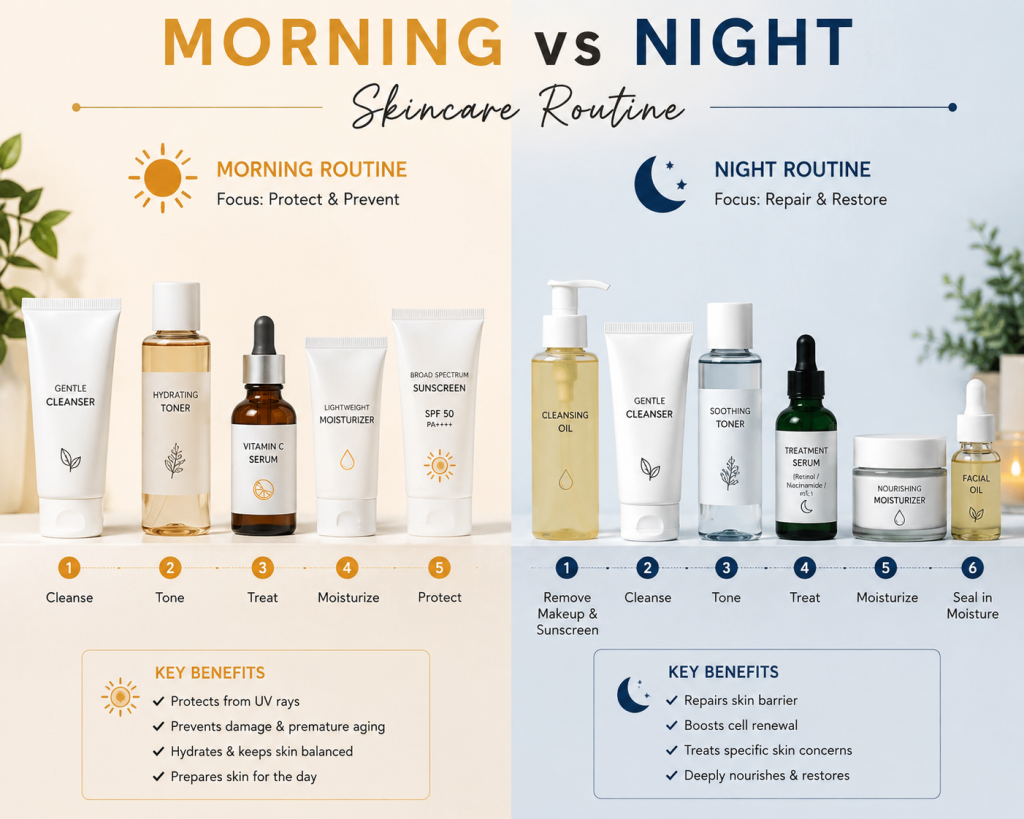
  • Morning vs Night Skincare Routine

     What’s the Difference and Why It Matters

    If you’re new to skincare, one of the most confusing things is figuring out whether your morning and night routines should be the same or different. However, the truth is that they serve completely different purposes. In fact, your skin behaves differently during the day compared to at night when it is in repair mode.

    Understanding the difference between a morning and nighttime skincare routine is essential for achieving healthy, clear, and glowing skin. In this guide, you’ll learn exactly what each routine does, what steps to follow, and how to build a simple routine that actually works.

     What Is a Morning Skincare Routine?

    A morning skincare routine is mainly focused on protection and prevention. During the day, your skin is constantly exposed to harmful environmental stressors such as sunlight, pollution, dirt, and bacteria. Therefore, the goal is to protect your skin barrier and keep it hydrated throughout the day.

     Basic Morning Skincare Routine Steps

    1. Cleanser
    First and foremost, start your morning routine with a gentle cleanser. This helps remove excess oil and sweat that may have built up overnight. However, if you have very dry skin, you can simply rinse with water or use a very mild cleanser.

    2. Toner (Optional)
    Next, you may apply a toner. While this step is optional, it can help balance your skin’s pH and prepare it for better absorption of skincare products. Additionally, hydrating toners are great for dry or sensitive skin.

    3. Serum (Optional but Recommended)
    After that, you can apply a serum. For example, Vitamin C serum is commonly used in the morning because it helps brighten the skin and protects against environmental damage caused by free radicals.

    4. Moisturizer
    Then, apply a lightweight moisturizer to lock in hydration. This step ensures your skin stays soft and balanced throughout the day.

    5. Sunscreen (MOST IMPORTANT STEP)
    Finally, and most importantly, apply sunscreen. Sunscreen protects your skin from harmful UV rays, premature aging, hyperpigmentation, and even skin cancer. In fact, skipping sunscreen can undo all your skincare efforts. Therefore, it should never be skipped—even on cloudy days or indoors. Check out our beginner guide to learn more about the best sunscreen for oily skin.

     What Is a Night Skincare Routine?

    On the other hand, a night skincare routine focuses on repair, treatment, and recovery. While you sleep, your skin naturally goes into regeneration mode, meaning it repairs damage and rebuilds itself.

    Because of this, nighttime is the best time to use active ingredients that support skin renewal.

    Basic Night Skincare Routine Steps

    1. Cleanser (Double Cleanse if needed)
    To begin with, cleanse your skin thoroughly. At night, it is especially important to remove sunscreen, makeup, dirt, and oil. If you wear makeup or heavy sunscreen, double cleansing is highly recommended.

    2. Toner (Optional)
    Similarly, you can use a toner to soothe and hydrate the skin after cleansing. This step helps prepare your skin for treatment products.

    3. Treatment Products (Most Important Step at Night)
    This is where active ingredients come in. Depending on your skin concerns, you may use:

    • Retinol (anti-aging and acne control)
    • Niacinamide (oil control and brightening)
    • Salicylic acid (acne and clogged pores)

    However, it is important not to overload your skin. Instead, start with one or two actives to avoid irritation.

    Discover more about retinol and niacinamide by checking out the retinol beginner guide and niacinamide serums for oily skins

    4. Moisturizer
    After treatments, apply a nourishing moisturizer. This helps repair the skin barrier and keeps your skin hydrated overnight.

    5. Facial Oil (Optional)
    If your skin feels very dry, you can seal everything in with a facial oil for extra hydration.

     Key Differences Between Morning and Night Skincare Routine

    To make it even clearer, here is a simple comparison:

    Morning RoutineNight Routine
    Focus on protection  Focus on repair
    Sunscreen is essentialNo sunscreen needed
    Lightweight productsRicher and treatment-based products  
    Vitamin C often usedRetinol and actives often used
    Prevents damageRepairs existing damage

     Common Skincare Mistakes to Avoid

    Even if you follow a routine, mistakes can slow down your results. Therefore, avoid the following:

    • Skipping sunscreen in the morning
    • Using retinol in the morning instead of at night
    • Applying too many active ingredients at once
    • Sleeping without removing sunscreen or makeup
    • Expecting instant results (skincare takes time and consistency)

     Simple Beginner Skincare Routine Example

    If you are just starting out, you don’t need a complicated routine. Instead, keep it simple:

     Morning Routine:

    • Gentle cleanser
    • Moisturizer
    • Sunscreen

     Night Routine:

    • Cleanser
    • Moisturizer
    • One treatment product (such as retinol or niacinamide)

    Conclusion

    In conclusion, the difference between morning and night skincare routines comes down to one simple concept: protection vs repair. Morning skincare protects your skin from daily damage, while night skincare helps your skin recover and renew itself.

    Ultimately, the key to healthy skin is consistency, not complexity. Start with a simple routine, stay consistent, and slowly introduce active ingredients as your skin becomes stronger and more balanced.

     Frequently Asked Questions (FAQs)

    1. Can I use the same products for morning and night skincare?

    Yes, you can use some products like cleanser and moisturizer in both routines. However, treatments like retinol should only be used at night, while sunscreen is only used in the morning.

    2. Do I really need both a morning and night routine?

    Yes, ideally you should have both. Morning routines protect your skin, while night routines repair and treat skin concerns. Together, they give the best results.

    3. What happens if I skip sunscreen?

    Skipping sunscreen can lead to sun damage, premature aging, dark spots, and increased risk of skin cancer. Therefore, sunscreen is the most important step in any routine.

    4. When will I see results from a skincare routine?

    Generally, you may start noticing improvements within 4–6 weeks. However, consistent use over time gives the best long-term results.

    5. Can beginners use active ingredients like retinol?

    Yes, but beginners should start slowly. For example, use retinol 2–3 times per week at night and gradually increase usage as your skin adjusts.

  • Acne Routine for Beginners:

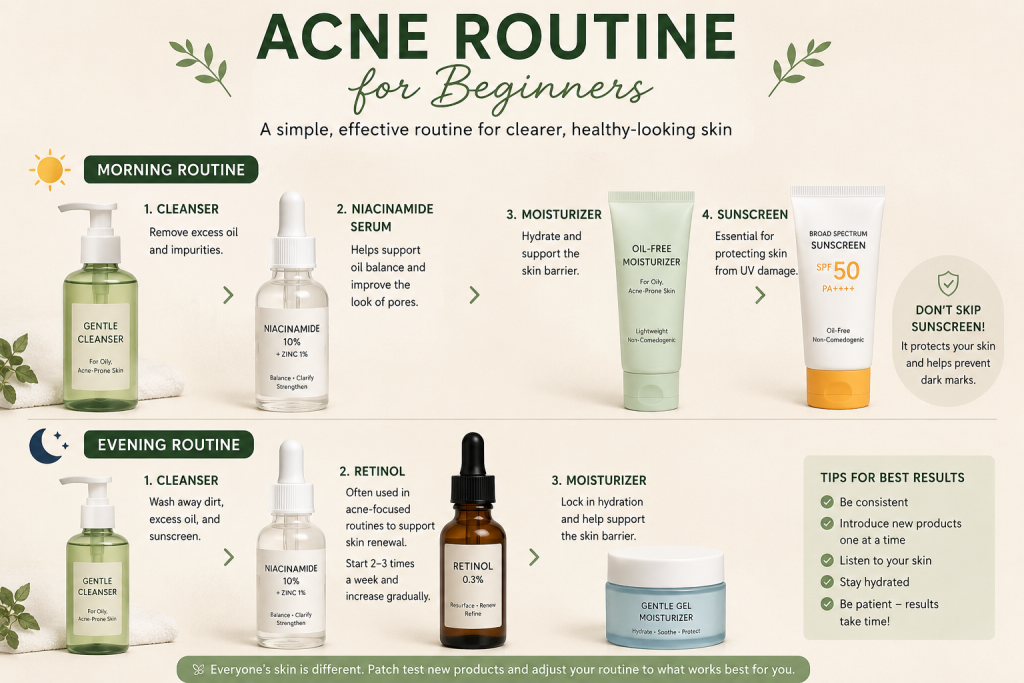
    Acne Routine for Beginners: A Simple Skincare Guide for Acne-Prone Skin

    New to skincare? Learn how to build an acne routine for beginners with simple steps, including cleanser, niacinamide, retinol, and sunscreen for healthier-looking skin.

    A Simple Step-by-Step Guide for Clearer-Looking Skin

    Acne can be frustrating, especially when you’re not sure where to start. With so many products and skincare trends available, building an effective routine can feel overwhelming.

    Routine for Acne Prone Skin

    Fortunately, is that a beginner acne routine doesn’t need to be complicated. In fact, using too many products at once can sometimes do more harm than good.

    Instead, focus on a few key skincare steps. By doing so, you’ll create a routine that is easier to follow consistently.

    In this guide, we’ll walk you through a beginner-friendly acne routine and explain the role of important skincare ingredients like niacinamide, retinol, and sunscreen.

    What Causes Acne?

    Acne develops when pores become clogged with excess oil, dead skin cells, and bacteria. While breakouts can affect people of all ages, they are especially common among those with oily or acne-prone skin.

    Several factors may contribute to acne, including:

    • Excess oil production
    • Hormonal changes
    • Clogged pores
    • Certain skincare products
    • Stress and lifestyle factors

    As a result, pores can become clogged, leading to breakouts and blemishes. However, a consistent skincare routine can help support clearer-looking skin over time.

    The Best Acne Routine for Beginners

    If you’re new to skincare, start with the basics.

    Morning Routine

    Step 1: Use a Gentle Cleanser

    First, Begin your day with a gentle cleanser to remove excess oil and impurities that build up overnight.

    Look for:

    • Non-comedogenic formulas
    • Gentle cleansing ingredients
    • Products suitable for acne-prone skin

    Avoid harsh scrubs, as they may irritate the skin and worsen breakouts.

    Step 2: Apply a Niacinamide Serum

    In addition, niacinamide is one of the most beginner-friendly skincare ingredients for acne-prone skin.

    Benefits of niacinamide include:

    ✓ Helps support oil balance

    ✓ Supports the skin barrier

    ✓ Helps improve skin texture

    ✓ Suitable for daily use

    ✓ Works well with most skincare routines

    Because of these benefits, niacinamide is often recommended for oily and acne-prone skin types.

    If you’re interested in adding this ingredient to your routine, check out our guide to the Best Niacinamide Serums for Oily Skin.

    Step 3: Apply a Lightweight Moisturizer

    Many beginners skip moisturizer because they worry it will make their skin oilier.

    However, keeping your skin hydrated is important for maintaining a healthy skin barrier.

    Choose a lightweight, non-greasy moisturizer designed for oily or acne-prone skin.

    Step 4: Apply Sunscreen

    Sunscreen is one of the most important steps in any acne routine.

    Benefits of daily sunscreen include:

    ✓ Helps protect skin from UV damage

    ✓ Supports overall skin health

    ✓ Helps prevent the appearance of post-acne discoloration from becoming more noticeable

    ✓ Essential when using active ingredients like retinol

    Choose a broad-spectrum SPF 30 or higher every morning.

    For product recommendations, read our guide to the Best Sunscreens for Oily Skin.

    Evening Routine

    Step 1: Cleanse Your Skin

    At night, remove sunscreen, dirt, and excess oil using a gentle cleanser.

    This helps prepare your skin for the rest of your skincare routine.

    Step 2: Introduce Retinol Gradually

    Retinol is often used in acne-focused routines because it supports skin renewal and helps improve overall skin texture.

    However, beginners should start slowly.

    A beginner schedule might look like:

    Week 1–2:

    • Monday
    • Thursday

    Week 3–4:

    • Monday
    • Wednesday
    • Friday

    Remember:

    ✓ Use only a pea-sized amount

    ✓ Apply at night

    ✓ Follow with moisturizer

    ✓ Wear sunscreen every morning

    If you’re new to retinol, read our Retinol Beginner Guide for a complete introduction.

    Step 3: Moisturize

    Finish your evening routine with a lightweight moisturizer to help support your skin barrier and reduce dryness.

    Consistency is more important than using many products.

    Common Acne Skincare Mistakes

    Using Too Many Products at Once

    Adding multiple active ingredients at the same time can irritate the skin.

    Instead, introduce new products gradually.

    Picking or Squeezing Pimples

    Although it can be tempting, picking at acne may increase irritation and make marks more noticeable.

    Skipping Moisturizer

    Hydration is essential, even for oily skin.

    Forgetting Sunscreen

    Many people focus on acne treatments while neglecting sun protection.

    Daily sunscreen should always be part of your routine.

    How Long Does It Take to See Results?

    Skincare requires patience.

    While some people notice improvements within a few weeks, significant changes often take several weeks or months of consistent use.

    Focus on building sustainable habits rather than looking for overnight results.

    Conclusion

    Building an acne routine for beginners doesn’t have to be complicated. Start with a gentle cleanser, add niacinamide to help support oil balance, introduce retinol gradually, and wear sunscreen every day.

    Most importantly, stay consistent.

    Healthy-looking skin is often the result of small daily habits repeated over time.

    Frequently Asked Questions

    What is the best acne routine for beginners?

    A simple routine includes a gentle cleanser, niacinamide serum, moisturizer, sunscreen in the morning, and retinol at night.

    Is niacinamide good for acne-prone skin?

    Niacinamide is a popular skincare ingredient that helps support oil balance and overall skin health.

    Can beginners use retinol for acne?

    Yes. Beginners should start slowly and gradually increase usage as their skin adjusts.

    Do I need sunscreen if I have acne?

    Yes. Sunscreen is essential for protecting your skin and is especially important when using retinol.

    How many skincare products should beginners use?

    Begin with a simple routine and focus on consistency rather than using multiple products simultaneously.

    Can oily skin still use moisturizer?

    Absolutely. Lightweight moisturizers can help support the skin barrier without feeling greasy.

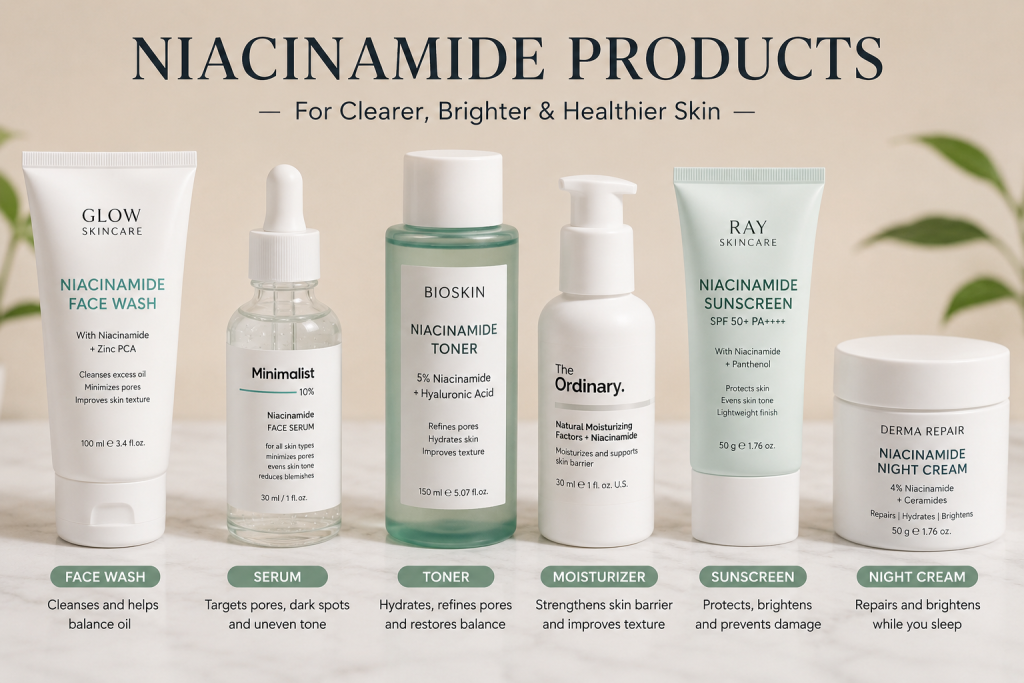
  • Best Niacinamide Serums for Oily Skin.

    Looking for the best niacinamide serums for oily skin? Discover 10 top-rated niacinamide serums that help minimize shine, refine pores, and support a healthier-looking complexion.

    10 Top Picks for Smoother, Balanced Skin

    If you struggle with excess oil, enlarged-looking pores or occasional breakouts, niacinamide may be one of the most beneficial ingredients to add to your skincare routine.

    Niacinamide, also known as Vitamin B3, is loved for its ability to help balance oil production, improve the appearance of pores, and support a stronger skin barrier. Unlike many active ingredients, it is generally suitable for beginners and works well alongside other skincare staples like sunscreen and retinol.

    In this guide, we’ll explore some of the best niacinamide serums for oily skin and help you find the right option for your skincare goals.

    Niacinamide is a form of Vitamin B3 commonly found in serums, moisturizers, and treatments.

    Benefits of niacinamide include:

    • Helps balance excess oil
    • Improves the appearance of enlarged pores
    • Supports the skin barrier
    • Helps improve uneven skin tone
    • Works well with most skincare routines
    • Suitable for many skin types

    To create this list, we considered:

    Niacinamide Content

    Products containing niacinamide as a key ingredient.

    Suitability for Oily Skin

    Lightweight formulas that absorb easily without feeling greasy.

    Additional Skin Benefits

    Products offering hydration, brightening, or pore-refining support.

    User Experience

    Texture, ease of application, and compatibility with daily skincare routines.

    1. The Inkey List Niacinamide Serum

    Best Budget-Friendly Pick

    Pros

    • Lightweight texture
    • Helps manage excess oil
    • Affordable

    Cons

    • May feel slightly sticky for some users

    Best For
    Oily and combination skin types looking for a beginner-friendly niacinamide serum.

    2. Bliss Glow & Hydrate Niacinamide + Hyaluronic Acid Serum

    Best Hydrating Formula

    Pros

    • Combines niacinamide and hyaluronic acid
    • Lightweight hydration
    • Suitable for daily use

    Cons

    • May not provide enough hydration for very dry skin

    Best For
    Those wanting hydration without heaviness.

    3. Revolution Skincare 15% Niacinamide Serum

    Best High-Strength Option

    Pros

    • High niacinamide concentration
    • Lightweight formula
    • Suitable for oily skin

    Cons

    • Beginners may prefer a lower concentration

    Best For
    Experienced niacinamide users.

    4. Revolution 10% Niacinamide + 1% Zinc Blemish & Pore Refining Serum

    Best for Acne-Prone Skin

    Pros

    • Includes zinc
    • Helps manage excess oil
    • Lightweight texture

    Cons

    • May feel drying for some users

    Best For
    Those concerned about blemishes and visible pores.

    5. Olay Regenerist Retinol 24 Night Serum

    Best Nighttime Companion

    Pros

    • Contains niacinamide alongside retinol ingredients
    • Supports smoother-looking skin
    • Fragrance-free formula

    Cons

    • Not a dedicated niacinamide serum

    Best For
    Those building an evening skincare routine.

    6. Physician’s Formula Skin Booster Vitamin Shot Brightening

    Best Brightening Formula

    Pros

    • Lightweight texture
    • Brightening-focused ingredients
    • Easy to layer

    Cons

    • Results vary depending on skincare routine

    Best For
    Users targeting dull-looking skin.

    7. Olay Deep Hydration Serum with Vitamin B3 + Hyaluronic Acid

    Best for Daily Hydration

    Pros

    • Hydrating formula
    • Lightweight feel
    • Suitable for daily use

    Cons

    • Less focused on pore-refining benefits

    Best For
    People wanting hydration and barrier support.

    8. CeraVe Resurfacing Retinol Serum

    Best for Post-Blemish Marks

    Pros

    • Contains niacinamide
    • Lightweight formula
    • Supports smoother-looking skin

    Cons

    • Not primarily a niacinamide serum

    Best For
    Acne-prone skin concerns.

    9. Versed Just Breathe Clarifying Serum

    Best Clarifying Formula

    Pros

    • Lightweight
    • Suitable for oily skin
    • Easy to incorporate into a routine

    Cons

    • May require consistent use for best results

    Pros

    • Lightweight consistency
    • Easy to layer with other products
    • Beginner-friendly

    Cons

    • Not exclusively focused on niacinamide

    Best For
    Simple skincare routines.

    Morning Routine

    1. Cleanser
    2. Niacinamide Serum
    3. Moisturizer
    4. Sunscreen

    Evening Routine

    1. Cleanser
    2. Niacinamide Serum
    3. Moisturizer

    If you’re using niacinamide in a daytime routine, pair it with a lightweight sunscreen for daily protection. You can read our guide to the best sunscreens for oily skin for SPF options that work well with niacinamide serums.

    Can You Use Niacinamide with Retinol?

    Many people combine niacinamide and retinol because niacinamide can help support the skin barrier and improve skin comfort while using retinol.

    If you’re new to retinol, check out our Retinol Beginner Guide to learn how to start safely and avoid common mistakes.

    Conclusion

    Niacinamide remains one of the most versatile skincare ingredients for oily skin. Whether you’re looking to manage excess shine, improve the appearance of pores, or support a healthier skin barrier, there’s a niacinamide serum for nearly every budget and skincare goal.

    Yes. Niacinamide is commonly used in skincare routines designed for oily and combination skin.

    Can I use niacinamide every day?

    Most niacinamide serums are suitable for daily use.

    Can I use niacinamide with retinol?

    Yes. Many skincare enthusiasts use both ingredients in the same routine.

    What percentage of niacinamide is best?

    Beginners often start with lower concentrations before trying higher-strength formulations.

    Can niacinamide help with pores?

    Niacinamide may help improve the appearance of enlarged pores over time.

    Should I use niacinamide in the morning or at night?

    Niacinamide can generally be used in both morning and evening routines.

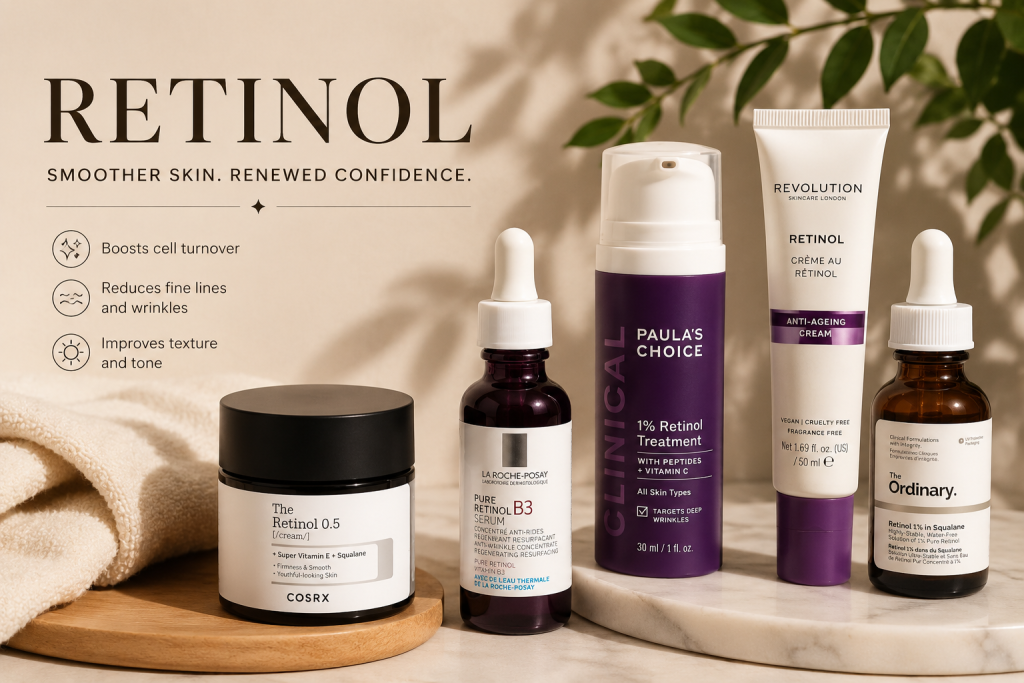
  • Retinol Beginner Guide

    New to retinol? Discover how to safely incorporate retinol into your skincare routine, avoid common mistakes, and establish a beginner-friendly regimen for smoother, healthier-looking skin.

    How to Start Using Retinol Without Irritation

    Retinol is one of the most talked-about skincare ingredients and for good reason. It has become a staple in many skincare routines thanks to its ability to improve skin texture, reduce the appearance of fine lines, and support a clearer-looking complexion.

    However, starting retinol can feel intimidating. Many beginners worry about dryness, peeling, or irritation. The good news is that with the right approach, most people can introduce retinol into their routine gradually and comfortably.

    In this guide, we’ll cover everything beginners need to know about retinol, including how it works, how to use it safely, and common mistakes to avoid.

    What Is Retinol?

    Retinol is a form of vitamin A commonly used in skincare products. It belongs to a family of ingredients known as retinoids.

    When applied consistently, retinol can help:

    • Improve the appearance of fine lines and wrinkles
    • Support smoother-looking skin
    • Improve uneven skin tone
    • Help reduce the appearance of post-acne marks
    • Promote a more refined skin texture

    Because retinol encourages skin renewal, it’s often considered one of the most effective over-the-counter skincare ingredients available.

    Benefits of Retinol

    1. Improves Skin Texture

    Retinol encourages the natural renewal process of the skin, helping it appear smoother and more even over time.

    2. Helps Minimize the Appearance of Fine Lines

    Many people include retinol in their routines to support firmer, younger-looking skin.

    3. Supports Clearer-Looking Skin

    Retinol can help prevent pores from becoming congested, making it a popular choice for acne-prone skin.

    4. Improves the Appearance of Dark Spots

    With consistent use, retinol may help improve the appearance of uneven skin tone and post-acne discoloration.

    How to Start Using Retinol

    The biggest mistake beginners make is using too much, too soon.

    Follow these steps instead.

    Step 1: Start with a Low Strength

    Choose a beginner-friendly formula designed for first-time retinol users.

    Step 2: Use It Only 1–2 Times Per Week

    Allow your skin time to adjust.

    Example Schedule:

    Week 1–2:

    • Monday
    • Thursday

    Week 3–4:

    • Monday
    • Wednesday
    • Friday

    Step 3: Apply at Night

    Retinol is typically used in an evening skincare routine.

    A simple routine:

    1. Cleanser
    2. Moisturizer
    3. Retinol
    4. Moisturizer (optional)

    Step 4: Wear Sunscreen Every Morning

    Daily sunscreen is essential when using retinol.

    Retinol can make your skin more sensitive to sun exposure, so apply a broad-spectrum sunscreen every day.

    For oily skin,check out our guide to the best sunscreens for oily skin.

    How Much Retinol Should You Use?

    Less is more.

    For your entire face, a pea-sized amount is usually enough.

    Using more product will not necessarily produce faster results and may increase irritation.

    Common Side Effects

    Some beginners experience:

    • Dryness
    • Mild redness
    • Flaking
    • Tightness

    These effects are often temporary while the skin adjusts.

    If irritation becomes severe, reduce frequency or consult a qualified skincare professional.

    Retinol Mistakes Beginners Should Avoid

    Using Retinol Every Night Immediately

    Start slowly and increase frequency gradually.

    Skipping Moisturizer

    Hydration helps support the skin barrier during the adjustment period.

    Forgetting Sunscreen

    Sunscreen should be part of every morning routine.

    Applying Too Much Product

    A pea-sized amount is sufficient.

    Expecting Instant Results

    Retinol takes time. Visible improvements often require several weeks or months of consistent use.

    Beginner-Friendly Retinol Routine

    Evening Routine

    1. Gentle Cleanser
    2. Moisturizer
    3. Retinol
    4. Moisturizer (optional)

    Morning Routine

    1. Gentle Cleanser
    2. Moisturizer
    3. Sunscreen SPF 30+

    Consistency is more important than using high-strength products.

    When Will You See Results?

    Results vary from person to person.

    Many users begin noticing improvements in skin texture within several weeks, while concerns such as uneven tone and fine lines may take longer.

    Patience and consistency are key.

    Final Thoughts

    Retinol can be an excellent addition to a skincare routine when introduced gradually and used consistently. Starting with a low strength, using it only a few times per week, and wearing sunscreen daily can help minimize irritation while allowing your skin time to adjust.

    Some beginners also choose to use niacinamide alongside retinol because it can help support the skin barrier and balance excess oil. See our guide to the best niacinamide serums for oily skin for beginner-friendly options.

    Remember that skincare results take time. Focus on consistency, listen to your skin, and make adjustments as needed.

    Frequently Asked Questions

    Can beginners use retinol?

    Yes. Beginners can use retinol by starting with a low-strength product and introducing it gradually.

    How often should beginners use retinol?

    Most beginners start with one to two nights per week before increasing frequency.

    Should I use retinol every night?

    Not initially. Allow your skin time to adjust before increasing usage.

    Can I use retinol with moisturizer?

    Yes. Moisturizer can help reduce dryness and support the skin barrier.

    Do I need sunscreen when using retinol?

    Yes. Daily sunscreen is strongly recommended when using retinol.

    What age should you start using retinol?

    There is no single correct age. Many adults begin using retinol in their twenties or thirties, depending on their skincare goals.

    Can retinol help with acne marks?

    Retinol may help improve the appearance of post-acne marks and uneven skin tone over time.

  • Best Sunscreens for Oily Skin

    10 Lightweight SPF Options That Won’t Feel Greasy

    Looking for the best sunscreen for oily skin? Discover lightweight, non-greasy SPF options that help protect your skin without clogging pores or leaving a heavy finish.

    Finding the right sunscreen for oily skin can feel impossible. Many formulas leave the skin looking shiny, feeling greasy, or even contribute to breakouts. The good news is that modern sunscreens are designed with oily and acne-prone skin in mind.

    In this guide, we’ll cover what to look for in a sunscreen for oily skin and review some of the best options available today.

    Why Sunscreen Is Essential for Oily Skin

    • UV rays can damage all skin types.
    • Sun exposure can worsen acne marks and hyperpigmentation.
    • Daily SPF helps protect against premature aging.
    • Oily skin still needs sun protection every day.

    How We Chose These Sunscreens

    With numerous sunscreens available on the market, finding one that works effectively for oily skin can be challenging. For this guide, we focused on products that offer effective sun protection while addressing common concerns such as excess shine, heavy textures, and clogged pores.

    We evaluated each sunscreen based on the following criteria:

    Broad-Spectrum Protection

    Every product on this list provides broad-spectrum protection against both UVA and UVB rays, helping to protect the skin from sun damage, premature aging, and hyperpigmentation.

    Lightweight Texture

    Oily skin tends to perform best with lightweight formulas that absorb quickly and feel comfortable throughout the day. We prioritized gel, fluid, and water-based sunscreens that don’t leave a heavy residue.

    Oil Control and Finish

    We considered how each sunscreen wears on oily skin, including whether it provides a natural, matte, or dewy finish and how well it helps manage excess shine.

    Non-Comedogenic Formulation

    Products designed to minimize the risk of clogged pores were given preference, especially for readers with acne-prone skin.

    White Cast Potential

    We assessed how each sunscreen performs across different skin tones, giving special consideration to formulas that blend easily and leave little to no visible white cast.

    User Experience

    We reviewed factors such as ease of application, comfort under makeup, reapplication experience, and overall wear throughout the day.

    Brand Reputation

    The products featured in this guide come from well-known skincare brands with strong reputations for quality, innovation, and consistent customer satisfaction.

    Product Performance

    While no single sunscreen is perfect for everyone, the options included in this list represent some of the best choices currently available for people with oily skin looking for reliable daily sun protection.

    Top 10 Best Sunscreens for Oily Skin

    1. Isntree Hyaluronic Acid Watery Sun Gel SPF 50+

    Best Overall

    Pros:

    • Lightweight texture
    • Hydrating without feeling greasy
    • No noticeable white cast
    • Comfortable for daily use

    Cons:

    • May feel too dewy for those who prefer a matte finish

    Best For:
    People looking for an everyday sunscreen that balances hydration and sun protection.

    2. House of Hur Weightless Sun Fluid SPF 50+

    Best Lightweight Formula

    Pros:

    • Fast-absorbing
    • Comfortable under makeup
    • Weightless finish

    Cons:

    • Premium pricing in some regions

    Best For:
    Users who dislike the feeling of sunscreen on their skin.

    3. Supergoop! Unseen Sunscreen SPF 40

    Best Invisible Finish

    Pros:

    • Completely transparent
    • Works well on all skin tones
    • Smooth primer-like texture

    Cons:

    • More expensive than many alternatives

    Best For:
    Anyone looking for an invisible sunscreen that layers well with makeup.

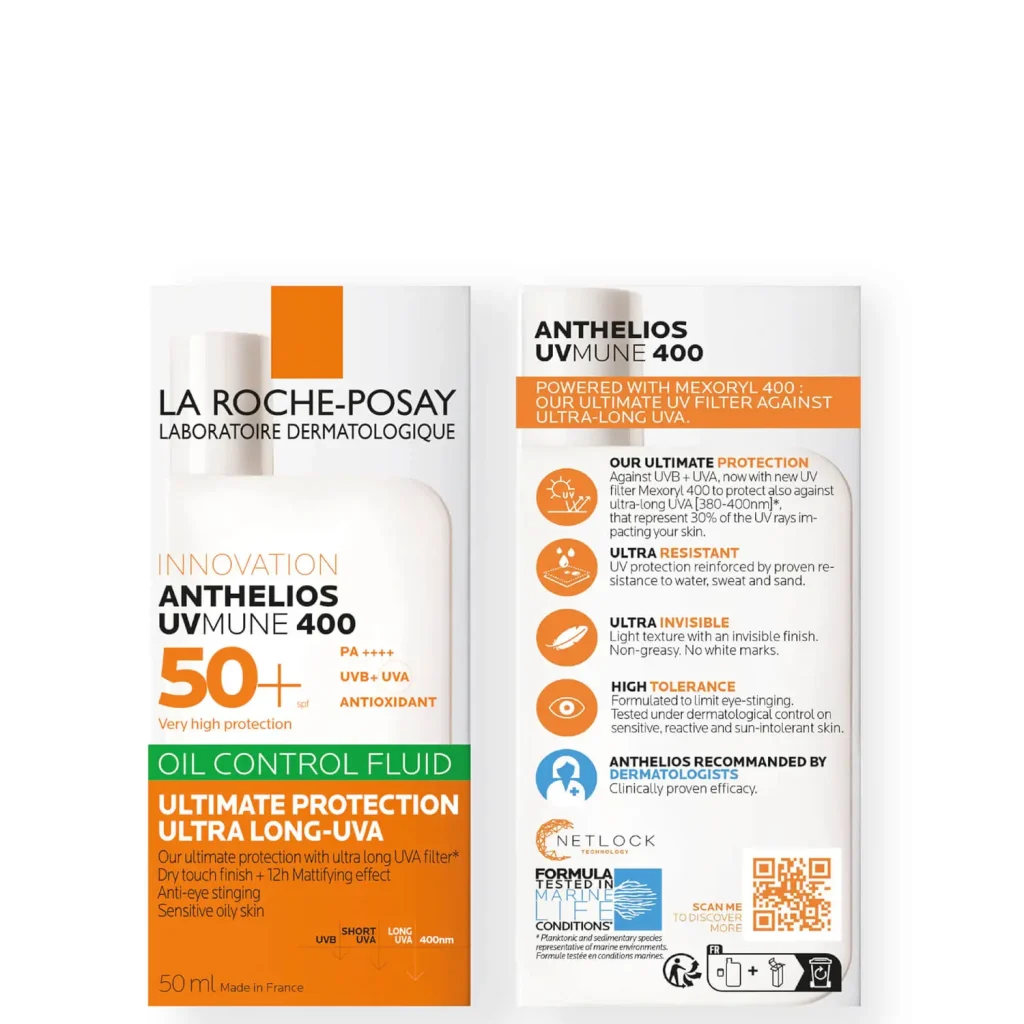
    4. La Roche-Posay Anthelios Oil Control Fluid

    Best for Acne-Prone Skin

    Pros:

    • Helps control shine
    • Lightweight fluid texture
    • Suitable for oily skin

    Cons:

    • Can be drying for some users

    Best For:
    People struggling with excess oil and breakouts.

    5. Nivea UV Super Water Gel SPF 50

    Best Budget Pick

    Pros:

    • Affordable
    • Lightweight gel texture
    • Easy to reapply

    Cons:

    • Availability varies by country

    Best For:
    Budget-conscious shoppers.

    6. Murad Oil and Pore Control Mattifier SPF 45

    Best Matte Finish

    Pros:

    • Helps reduce shine
    • Works as both moisturizer and SPF
    • Good for oily skin

    Cons:

    • Higher price point

    Best For:
    Those who prefer a matte look throughout the day.

    7. Anua Heartleaf Silky Moisture Sun Cream

    Best Soothing Formula

    Pros:

    • Comfortable texture
    • Skin-soothing ingredients
    • Suitable for daily wear

    Cons:

    • May not be matte enough for very oily skin

    Best For:
    Sensitive or easily irritated skin.

    8. Dr.G Green Mild Up Sun+

    Best Mineral Sunscreen

    Pros:

    • Mineral-based protection
    • Gentle on sensitive skin
    • Fragrance-free option

    Cons:

    • May leave a slight white cast

    Best For:
    People who prefer mineral sunscreens.

    9. Missha All Around Safe Block Aqua Sun Gel

    Best Everyday K-Beauty SPF

    Pros:

    • Lightweight
    • Refreshing texture
    • Affordable

    Cons:

    • Fragrance may not suit everyone

    Best For:
    Fans of Korean skincare.

    10. Naturium UV Reflect Antioxidant SPF 50

    Best Antioxidant Formula

    Pros:

    • Broad-spectrum protection
    • Includes antioxidant support
    • Lightweight feel

    Cons:

    • Availability differs by region

    Best For:
    People looking for sun protection and antioxidant benefits in one product.

    The best sunscreen for oily skin ultimately depends on your personal preferences. If you’re looking for the best overall balance of protection and daily comfort, Isntree Hyaluronic Acid Watery Sun Gel SPF 50+ stands out as an excellent choice. Those wanting a matte finish may prefer Murad, while users seeking an invisible finish should consider Supergoop! Unseen Sunscreen.

    How to Apply Sunscreen on Oily Skin

    Step 1

    Cleanse your face.

    Step 2

    Apply moisturizer if needed.

    Step 3

    Use sunscreen as the final step in your morning skincare routine.

    Step 4

    Reapply every two hours when spending time outdoors.

    Common Sunscreen Mistakes to Avoid

    • Applying too little product.
    • Skipping sunscreen on cloudy days.
    • Forgetting the neck and ears.
    • Not reapplying during the day.
    • Choosing formulas that are too heavy for oily skin.

    Remember, if excess oil is one of your biggest concerns, you may also benefit from adding a niacinamide serum to your routine. Read our guide to the best niacinamide serums for oily skin for product recommendations and tips on choosing the right formula.

    Conclusion

    The best sunscreen for oily skin should feel lightweight, provide broad-spectrum protection, and fit comfortably into your daily skincare routine. With so many oil-free and non-comedogenic options available, finding the right SPF has never been easier. If you’re considering adding retinol to your skincare routine, read our beginner-friendly retinol guide to learn how to start safely.

    Frequently Asked Questions

    What type of sunscreen is best for oily skin?

    Lightweight, oil-free, non-comedogenic sunscreens are usually the best choice for oily skin.

    Is SPF 30 enough for oily skin?

    Yes. SPF 30 is generally considered the minimum recommended daily protection, though SPF 50 can provide additional protection.

    Can sunscreen make oily skin worse?

    Some heavy formulas may feel greasy, but sunscreens designed for oily skin are formulated to minimize shine and reduce the risk of clogged pores.

    Should people with oily skin wear sunscreen every day?

    Yes. Daily sunscreen use helps protect against UV damage, hyperpigmentation, and premature aging.

    Are gel sunscreens better for oily skin?

    Many people with oily skin prefer gel-based sunscreens because they absorb quickly and feel lighter on the skin.

    How much sunscreen should I apply to my face?

    Most dermatologists recommend about two finger lengths of sunscreen for the face and neck.

    Can I skip moisturizer and only use sunscreen?

    Some moisturizing sunscreens may provide enough hydration for oily skin, but this depends on your skin’s needs.

    What ingredients should oily skin look for in sunscreen?

    Look for lightweight formulations containing ingredients that are non-comedogenic and designed for oily or acne-prone skin.